Trading Trash for Health Care in Indonesia
Three out of five Indonesians do not have access to health insurance and do not make enough money to visit the doctor. Instead, Indonesians delay their health and wellbeing until their symptoms turn into major problems.
In Jan. 2014, Indonesia started a new health insurance program managed by the Social Security Organizing Body (BPJS). By 2019, it will be the world’s largest health scheme, and according to the government, all 247 million residents will be covered. The health program impacts the middle class the most — that is, the people who are not poor enough to receive government assistance and not rich enough to buy private insurance.
After one year, the BPJS enrolled 133.4 million people in their new health program, exceeding their goal by 11.8 million members. Lack of infrastructure makes it harder for people in rural areas to make the drive to an urban hospital.
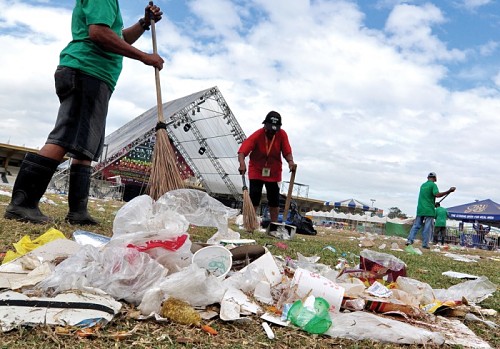
Dr. Gamal Albinsaid, the founder of Garbage Clinical Insurance, helps over 3,000 people afford health coverage by trading trash for health care. In Indonesia, many recyclables are wasted and only 50 percent of all of the country’s trash is collected. The abundance of trash left on the streets creates health problems for their citizens. A total of 3.22 million tons of plastic waste were generated along the coast of Indonesia in 2010. This was 10 percent of the world’s total that year.
All of the organic trash Albinsaid receives is turned into fertilizer and compost, while he receives cash for recyclable items. Four and a half pounds of plastic is enough to allow one patient two monthly visits to Albinsaid’s clinic.
“We’re changing people’s perceptions and habits towards garbage,” Dr. Albinsaid explains. “I believe if the positives of this problem are made known, it will excite a lot more people into adopting it.”
Indonesia ranks forty-eighth in the world for health and wellness and has an average life expectancy of 70 years. Health care in Indonesia is far from universal, but the country is doing better than most of its other Southeast Asian neighbors to promote health.
Only 0.9 percent of Indonesia’s GDP is spent on infrastructure for health care. Most of the gaps in the healthcare system are being taken care of by NGOs that treat Indonesians in the poorest and most rural areas of the country. An increase in health care spending is needed for Indonesia to successfully create a universal coverage program.
While many Indonesians may be critical of the universal health care plan, labeling it as “too ambitious,” the program is only 19 months old but is already showing signs for potentially being the largest universal health care program in the world. Until then, Garbage Clinical Insurance and NGOs are providing health services to many of Indonesia’s rural citizens.
– Donald Gering
Sources: Al Jazeera, Good News Network, The Guardian, Huffington Post, Social Progress Imperative, World Bank
Photo: Inquirer
