How Telemedicine Expands Healthcare in Rural Pakistan
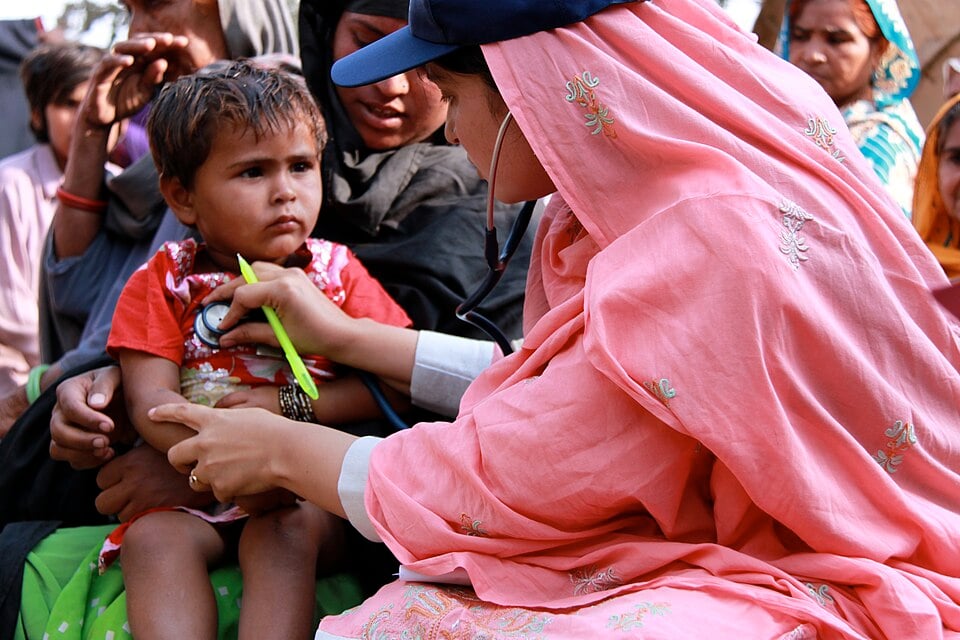 For a patient living in a remote Pakistani community, seeing a doctor can require more than making an appointment. Long distances, transportation costs and limited access to specialists can make healthcare difficult to reach, especially for lower-income families. Telemedicine in Pakistan offers one solution by connecting patients with healthcare professionals through digital platforms and remote consultations.
Pakistan has begun moving telemedicine beyond individual online consultations and into local health facilities. Recent government initiatives show how digital health can connect rural communities with doctors while allowing nurses and other health workers to provide support on the ground. Here is more information about how telemedicine is expanding healthcare access in rural Pakistan.
Why Rural Communities Need Better Healthcare Access
Healthcare access in rural Pakistan is challenging due to significant barriers. The World Bank estimates that about 60.5% of Pakistan’s population lived in rural areas in 2025. Rural communities also experience higher poverty rates than urban communities, which makes the cost and accessibility of health services especially important.
For some rural patients, reaching a hospital or specialist requires a long journey. Transportation costs can add another burden for families with limited incomes. For people living in poverty, the cost of traveling to a distant hospital can also mean sacrificing money needed for food or other household necessities. Workers who depend on daily wages may also lose income when they have to spend a day traveling for medical care. These barriers can discourage people from seeking care or cause them to delay treatment.
Healthcare costs can create an additional burden for low-income families. According to the World Bank, poverty remains significantly higher in rural areas than in urban areas of Pakistan. Improving access to healthcare is therefore important not only for people’s health but also for protecting vulnerable families from additional financial pressure.
Telemedicine can address part of this problem. A 2024 study in “Frontiers in Public Health” found that telehealth can reduce travel-related costs and time while improving access to healthcare for people in rural and isolated areas.
How Telemedicine Brings Doctors Closer
Telemedicine allows patients to communicate with doctors without traveling to a distant hospital for every consultation. Depending on the service, patients can discuss symptoms, receive medical advice and access follow-up care through video calls or other digital platforms.
Sehat Kahani, a Pakistani digital health organization, uses a nurse-assisted e-clinic model to connect patients in underserved communities with doctors remotely. Nurses can assist patients at local clinics while doctors provide consultations through digital platforms.
The model also creates opportunities for doctors to serve patients from a distance. Sehat Kahani’s network includes thousands of doctors and its digital platform has delivered about 1 million consultations, according to 100X Impact Accelerator. The organization reports that women make up a majority of its trained doctors, including women who have returned to medical practice through flexible telehealth work.
This approach can address two problems at once: communities gain access to doctors while qualified medical professionals can provide care without working from a traditional hospital or clinic.
Pakistan Expands Digital Healthcare
Pakistan’s government has recently taken steps to integrate telemedicine into primary healthcare.
On Jan. 6, 2026, the Ministry of National Health Services, Regulations and Coordination worked with Sehat Kahani to launch a paperless, telemedicine-enabled Basic Health Unit in Gokina, Islamabad. The center uses secure video consultations, electronic medical records, digital prescriptions and pharmacy management systems. Nurses at the facility help patients through consultations and follow-up care.
The government expanded this effort on Jan. 14, 2026, when the Federal Health Minister inaugurated another digitalized telemedicine center at Bhambar Tarar near Islamabad. The Ministry of Health reported that the area had a Basic Health Unit but lacked a posted doctor. Residents previously needed more than an hour to reach major hospitals in Islamabad.
The new center allows residents to receive medical consultations locally. Health workers can also refer patients who need more advanced treatment to tertiary hospitals.
The government also announced an agreement with Sehat Kahani under which 5,000 online doctors will provide remote consultations. The government has described telemedicine as a permanent part of Pakistan’s national healthcare system and plans to establish 10 telemedicine centers.
A Solution With Room To Grow
Telemedicine cannot replace every form of medical care. Doctors still need to examine some patients in person and communities need reliable internet access, digital devices and trained health workers to use telemedicine effectively.
However, Pakistan’s recent initiatives show how the country can combine digital services with local health facilities. Instead of requiring every patient to travel to a major city, a local health center can connect patients with doctors elsewhere while nurses provide in-person support.
Telemedicine in Pakistan can also help reduce some of the financial burden associated with traveling long distances for healthcare. For low-income families, avoiding unnecessary transportation expenses and reducing time away from work can make medical consultations more accessible.
Sehat Kahani’s experience also shows that telemedicine can operate at scale. Its platform has already delivered about 1 million consultations while its network of doctors continues to connect patients with medical professionals across Pakistan.
Looking Ahead
As Pakistan expands its digital health infrastructure, telemedicine in Pakistan can help reduce some of the geographic and financial barriers that affect underserved communities. By bringing qualified doctors closer to patients through technology, Pakistan can move toward a healthcare system where access depends less on a person’s location or ability to travel and improve healthcare access in rural Pakistan.
– Afia Atif
Afia is based in Chenab Nagar, Pakistan and focuses on Technology and Global Health for The Borgen Project.
Photo: Wikimedia Commons
