Reducing Overtourism in the Canary Islands
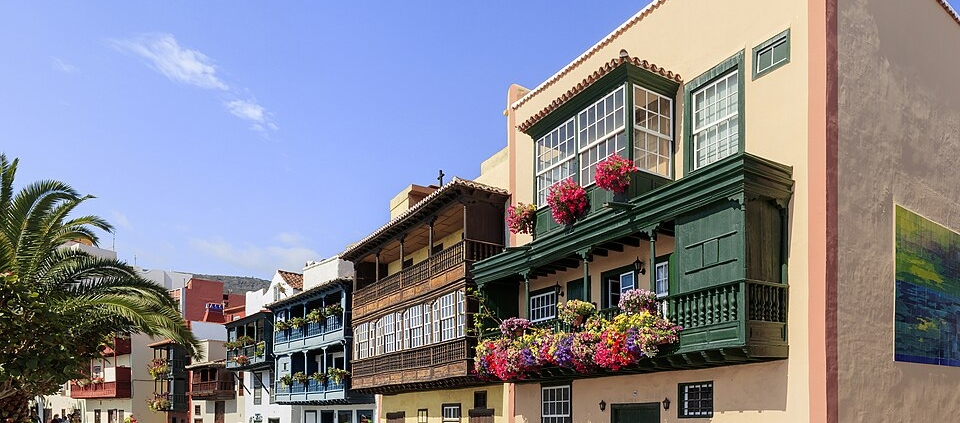 In the vast waters of the Atlantic Ocean, near the coast of northern Africa, lie the Canary Islands, an autonomous region of Spain. With a population of 2.2 million people, the Canaries are most famous for their renowned beaches, rich history and culture, year-round mild weather and distinctive cuisine. Due to all this, it is a popular vacation destination for many tourists who wish to see all the wonders of the Canaries.
Tourism in the Canaries
Tourism is a large part of the islands’ economy, similar to many other European regions. It has the potential to benefit the country and islands. Yet, it can also be the root of more issues, especially regarding the local residents and the poverty they face. Fortunately, there is a way to reduce mass tourism in the islands.
In moderation, tourism can be beneficial for the country and its people, as it gives them more recognition from the outside world. It allows more people to learn about their islands and culture, as well as providing new job openings, such as hotel employment, airline work, travel agencies and tour guides. It is not inherently a negative practice; however, too much of it can quickly become an issue, which is what is happening in the Canary Islands.
The number of tourists has greatly increased over the past few years; the islands drew a record 18.4 million visitors in 2025, or roughly 1.5 million a month. This is particularly an issue for the Canary locals, whose quality of life is negatively affected. When so many foreign visitors arrive, it strains the islands’ resources. Hotels and tourist-related companies strive to accommodate tourists, but this quickly causes problems for residents.
Housing Costs
Overtourism in the Canary Islands leads to overcrowding that makes it difficult for locals to move around and go about their daily routines. It raises house prices, as properties are increasingly used to house tourists—a notable example being Airbnb, as people buy property specifically to rent it to visitors—which leaves locals with housing costs they cannot afford. In May 2026, average home prices rose 19.3% compared with the same month in 2025—the largest increase anywhere in Spain—and prices are now 24.8% higher than at the peak of Spain’s 2007 property boom, according to valuation company Tinsa. Overtourism can also raise the price of food and other goods, as businesses cater to tourists, and locals end up paying more too. Mass tourism further strains the islands’ environment, as waste accumulates and resources are stretched.
All of these issues leave many residents facing worsening financial hardship as they struggle to afford a basic quality of life. In May 2025, Canary Islands locals held large protests against overtourism, arguing that it was the root cause of many of the islands’ issues and demanding that the government take action.
How to Change It
The government has created a voluntary contribution program as an alternative to a mandatory tourist tax. It allows visitors and travel companies to donate money online to fund the islands’ sustainability and community projects. Known as the Canary Islands Tourism Regeneration and Nature Restoration Fund (RegNext), the scheme operates across the islands, including Tenerife, Gran Canaria and Lanzarote.
RegNext’s main goal is to channel those voluntary contributions into habitat restoration, species recovery, landscape improvement, new green jobs and support for local communities and social projects. Tourism already provides jobs for 280,534 people in the Canaries, and RegNext aims to fund additional green jobs to further reduce unemployment. The initiative is also collaborating with major travel companies—including easyJet holidays, TUI and Jet2—to develop regenerative tourism.
This recent development allows any willing visitor to contribute and help improve the islands and, by extension, help their people thrive. The Canary Islands are a beautiful destination, but overtourism has become a large issue for both the islands and their people, worsening residents’ quality of life. RegNext is intended to help ease that strain and the financial pressures Canary locals face, so that residents can live without the burden of overtourism and their communities can benefit from the program, improving their quality of life.
– Michalistsa Kontogianni
Michalitsa is based in Washington, DC, USA and focuses on Good News and Global Health for The Borgen Project.
Photo: Wikimedia Commons
