Restoring Guatemala’s Motagua River and Communities
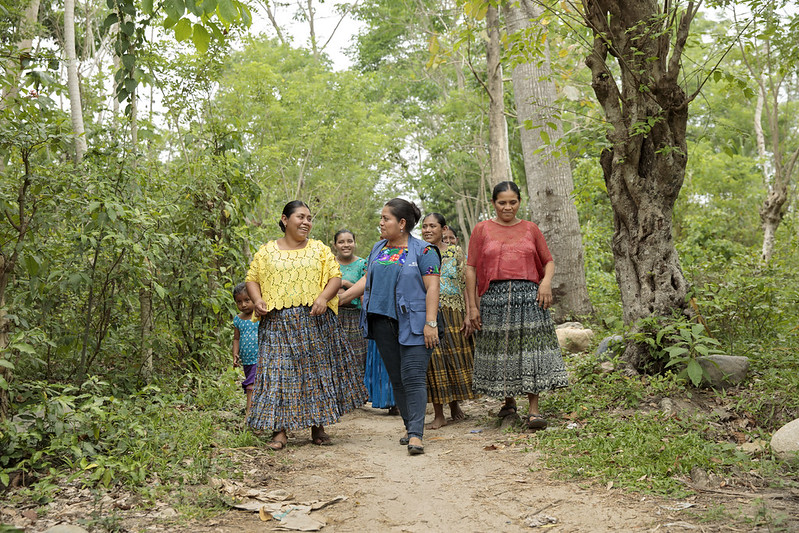 For a large percentage of rural Guatemalans, rivers function as important lifelines that provide water for drinking, cooking and agriculture. Yet decades of neglect and poor waste management have turned rivers like the Motagua, Guatemala’s largest watercourse, into polluted landfills and made them breeding grounds for disease. To address the problem, a mix of private, governmental and grassroots organizations has banded together to begin restoring Guatemala’s Motagua River and communities.
The Motagua River’s Importance
Communities settled along the banks of the Motagua River are among the most vulnerable in Guatemala, where 56% of country at large is already living in poverty. Many rural and indigenous families depend on the river for daily survival despite its contamination by plastic waste and untreated sewage.
Because of underdeveloped infrastructure, they do not have another choice: 40% of Guatemalans lack access to running water and basic plumbing inside their homes, forced to rely on rivers, wells or rainwater, which is why, in the interim, successfully restoring Guatemala’s Motagua River and communities is crucial.
The Cost of Polluted Waters
The Motagua River carries almost 20,000 tons of solid waste annually as it passes through nearly 100 municipalities before emptying into the Caribbean Sea. For the impoverished communities relying on it as a daily water source, this poses a serious health risk.
Contaminated water spreads illnesses and diseases like diarrhea and hepatitis, particularly affecting children and the elderly. Costs linked to treating these maladies exacerbate existing poverty conditions and reduce quality of life.
Pollution also damages economic livelihoods. Motagua River fish populations have plummeted and farmers relying on river water for irrigation risk crop contamination or die-off. With few resources and limited state support, entire communities face food insecurity and economic instability.
Cleanup and Restoration Efforts
Multi-partnership cleanup initiatives have begun to address the growing crisis. Nonprofit organizations like The Ocean Cleanup, in partnership with Kia and Guatemala’s Ministry of Environment, have deployed interception systems in the Motagua River to catch plastic before it reaches the Caribbean Sea, improving the health of the river, the lives of the riverfront residents and raising awareness of the link between responsible disposal practices and health.
Grassroots groups are also mobilizing. The Alliance for the Motagua River brings together NGOs such as the Ocean Legacy Foundation, community leaders and local governments under an “EPIC” strategy: Education, Policy, Infrastructure and Cleanup, to usher in lasting change. This community-driven approach galvanizes local communities to improve their surroundings, and therefore their food and water security.
These cleanup initiatives dedicated to restoring Guatemala’s Motagua River and communities recognize the link between environmental and economic health. Safe water improves food security and supports agriculture, while the replenishment of fish stocks, in addition to sustenance, provides economic improvement. The World Bank states that healthy watercourses are vital to sustainable development and resilient local economies, paving the way for poverty reduction.
Restoration and Renewal
Restoring Guatemala’s Motagua River and communities is both an environmental and humanitarian mission rolled into one. Access to clean water forms the basis of health, education and livelihood, especially for Guatemala’s indigenous and rural communities. Realizing the goal of a clean river is one more step toward humanitarian and economic stability.
The Motagua River’s restoration shows that collaboration between communities, governments and global partners can lead to lasting impact. As Guatemala moves toward a sustainable water future, its riverbanks may once again become places of life, resilience and renewal, giving it the stable bedrock necessary to focus on expanding water infrastructure and lifting its riverfront communities permanently out of poverty.
– Nikola Stojkovic
Nikola is based in Villa Park, IL, USA and focuses on Global Health for The Borgen Project.
Photo: Flickr
