Food Vulnerability in West Africa During COVID-19
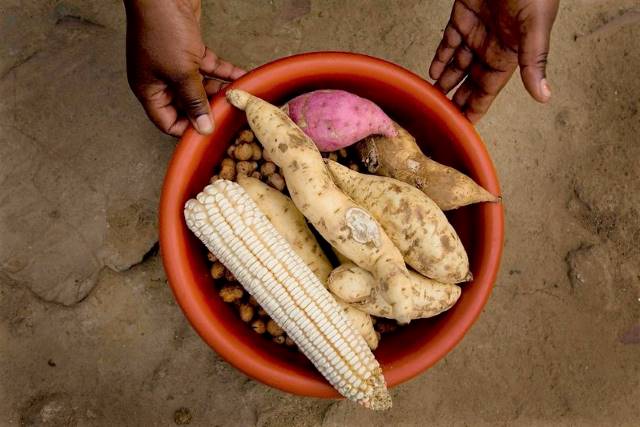 At the beginning of 2022, the United Nations reported a near 3% increase in extreme poverty in West Africa due to the COVID-19 pandemic. Evidence shows that while worldwide regulations are beginning to loosen, the pandemic continues to impact food resources for West Africans. More than 25 million people in West Africa are currently struggling to meet their basic food needs. At the same time, financial strategies and partnerships aim to combat the exacerbated poverty and food vulnerability in West Africa.
West Africa and COVID-19
The World Health Organization (WHO) reported in January 2022 that 30 African countries detected the highly contagious Omicron variant and 42 African countries detected the Delta variant. West Africa has accumulated about 10.2 million COVID-19 cases and Africa, in general, notes a fully vaccinated population of only 10%. Starting in the early days of the pandemic, West African nations responded to COVID-19 through lockdowns, traveling restrictions and curfews.
Food Vulnerability in West Africa
Many food production systems in West Africa are already facing issues regarding their reliability and affordability. A 2020 report from Nature Food found that rural farming regions in West Africa have unreliable food storage means and many West Africans rely on their daily income to pay for food.
COVID-19 has likely increased food prices for West African regions as access to markets, implementations of lockdowns and trading restrictions reduce food access for West African families. Nature Food reports that prices in food imports for cereals and rice for West African regions have risen by 11% to 17%.
Schools in West Africa account for a significant amount of household food supplies by providing food for nearly 7 million West African school children through school feeding programs. Due to the pandemic, school closures strain the already minimal access to food for children in low-income families while increasing food vulnerability in West Africa.
West African Food Investments and Partnerships
Multiple international organizations are pledging significant funding to support West African efforts to address COVID-19. While efforts in aiding food vulnerability are short-term, the commitments open the doors for governments to increase agriculture investments with positive long-term effects.
In April 2020, the African Development Bank pledged $10 billion in support of African economies and to protect against issues such as food vulnerability in West Africa amid the pandemic. This creates a possibility for improvements in West Africa’s financial stability through the strengthening of public-private partnerships.
Financial Inclusion and Mobile Money
Other developments include financial inclusion through mobile money services (MM). MM is a progressive method toward handling finances that allow rural and urban regions in West Africa to have efficient access to financial services and the ability to receive payments via mobile phone.
A 2020 Wilson Center report indicates that MM services saw an increase from 34% to 43% from 2011 to 2017 throughout sub-Saharan Africa. Furthermore, adults in the region using MM doubled from 12% to 21% from 2011 to 2017 in comparison to the steady number of adults using other financial institutions. However, the progression of financial inclusion through mobile money came to a halt when the pandemic hit.
In response, multiple reforms and policies are in place to continue financial inclusion progress. Central banks encourage digital payments to curb the spread of COVID-19 while keeping banks up and running. Countries ranging from Ghana to Liberia have increased access to MM accounts without extra fees or documentation for transactions reaching a set amount. Regarding low-income homes or families in poverty, West African governments have mobilized direct cash transfer programs to lessen the weakening economic effects of COVID-19 lockdowns.
With partnerships and financial strategies to address West Africa’s food and financial issues amid the pandemic, efforts will continue to improve the lives of low-income households.
– Michelanie Allcock
Photo: Flickr
