Food Systems in Yemen
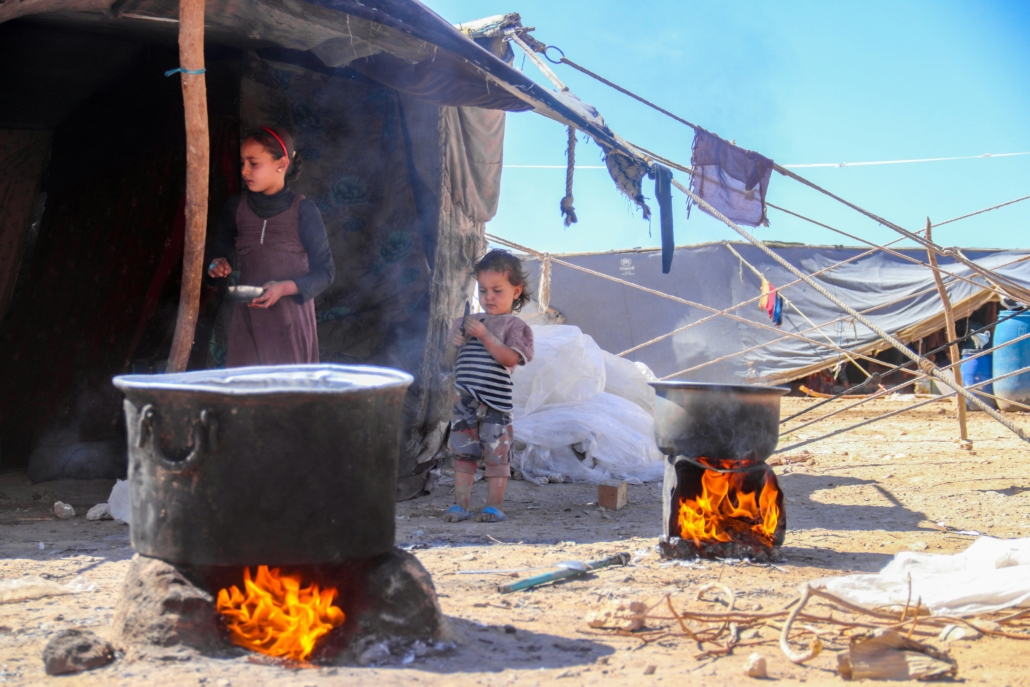 Yemen is enduring one of the most severe and unprecedented humanitarian crises of the 21st century. After years of economic collapse, political corruption and civil war, around half of the population now depends on humanitarian aid to survive. Here is information about the food systems in Yemen and efforts to improve them amidst the country’s crisis.
A Nation in Crisis
In the wake of decades of tribal alliances, the pursuit of land and misuse of national resources, the people of Yemen are suffering among the most complex conflicts in the Middle East, with around a total of 20 million Yemenis facing inadequate access to clean water, sanitation or hygiene services.
Following over a decade of conflict, a UN report estimates that the total death toll stood at 377,000, with at least 150,000 killed as a direct consequence of violence by the beginning of 2022. Many more have since perished due to the ongoing humanitarian crisis.
With a rapidly rising population, widespread poverty and major damage to public infrastructure, food prices in Yemen have also soared by 300% in the last 10 years with families in rural areas and those displaced among the worst affected.
Ranked 10th lowest on the Human Development Index (HDI), food shortages are now at an all time high with outbreaks of vaccine-preventable diseases constantly being exacerbated by scarcity and poor nutritional standards.
Food Insecurity in Yemen
While Yemen hosts some of the most fertile land in the Arabian peninsula, the economic, social and environmental functions of its agriculture are being shattered.
Once a thriving agrarian society, Yemeni agriculture is not just an important economic sector, but a way of life that is under imminent threat. With around one in two children under the age of 5 facing malnourishment, this decline is directly affecting food security throughout the region.
Due to these challenges, Yemen is increasingly reliant on imported food supplies with around 90% of its wheat acquired overseas. Here, an ongoing Saudi-imposed naval blockade is also majorly compounding scarcity and starvation due to the ongoing conflict.
Despite the risks of famine and poverty spreading, around 30% of Yemen’s national irrigation water is currently used to grow Khat, a mild stimulant that not only uses up valuable water but also crowds out food crops as climate change decreases access to arable land.
Reviving Family Farming in Yemen
In line with a report from the United Nations in 2022, the fragmented Yemeni government is now endorsing a plan to develop its family farming industry, identifying agro-ecological conditions and improved knowledge and access to terrain and markets as key drivers for future agricultural developments.
In light of Yemen’s growing dependence on imports, improved domestic farming has the potential to contribute more significantly to the nation’s long-term food security, as its real gross domestic product (GDP) could potentially fulfill up to 25% to 30% of its needs.
Though improving food systems in Yemen remains a formidable challenge, greater efforts are now being taken to allow local farmers to engage more comprehensively in these processes, with strategies tailored to the obstacles they are facing in their everyday lives.
Yemen’s Fishing Industry
Prior to the war, the fishing industry was Yemen’s second largest export, employing more than half a million people. With financial support from the European Union, the Norwegian Refugee Council (NRC) is now actively supporting the coastal community in Aden and other areas in the south.
With a coastal strip extending around 2,500 kilometers, fishing is re-emerging as a promising sector in improving Yemen’s food supply, enriching nutrition levels whilst stimulating the economy through increased trade.
For instance, a fish market at Al Hotta Lah was recently rebuilt and is now in use after being destroyed during the war. Around 100 tonnes of fish are sold there per month with an estimated value of $18,000 and more than 100 traders and retailers using it daily.
As a result, understanding the roles of local traders, farmers and fishermen in improving Yemen’s food systems is underpinning the importance of combining humanitarian relief with development responses that can support small businesses and empower local economies at a time of growing crisis.
In any case, as the humanitarian disaster persists, it has become clear that improving Yemen’s fishing and agriculture must play a vital role in improving food systems in Yemen, whilst also assisting the economic and social conditions of a nation ravaged by war and political uncertainty.
– Gabriel John Gunn
Gabriel is based in Paisley, Scotland and focuses on Technology and Global Health for The Borgen Project.
Photo: Unsplash
