Food Systems in the Bahamas
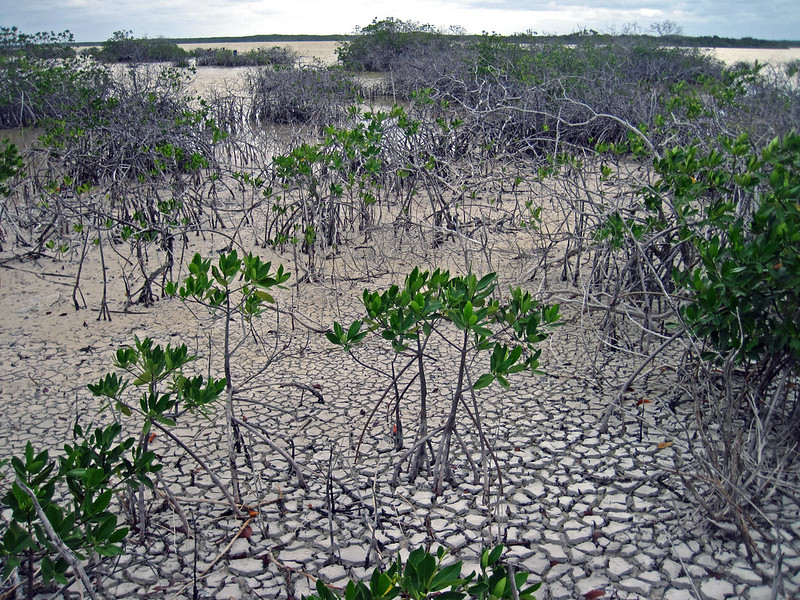 Countries in the Caribbean, such as the Bahamas, are located in a part of the world where problems induced by varying climatic conditions, such as extreme droughts, destructive flooding and ocean acidification, could negatively affect food systems in the Bahamas.
Reliance on Imported Goods and Health Impacts
Like most Caribbean nations, the Bahamas has little access to land and relies heavily upon imported goods. The Bahamas imports more than 90% of its food needs. Many of these imported goods are processed and contain large amounts of salts and sugar, which negatively impact the health of the Bahamian population.
Food Insecurity and Health Concerns
Between 2019 and 2021, it was estimated that 17% of the Bahamian population faced modest to extreme levels of food insecurity. Although this statistic is considerably below the global average of 33% and the regional average of 38%, there are other concerns. Specifically, 32% of the adult population is obese compared to the global average of 21%. The problem of obesity can be attributed to the country’s reliance on imported goods that are often lacking in nutritional value and unhealthy. Diabetes is also another major health problem in the Bahamas.
Food Accessibility and Government Support Programs
In terms of overall access to food in the country, food is readily available in urban areas; however, the accessibility of food in rural communities remains uncertain. The government aids in making food more accessible by providing grants and financial assistance to impoverished residents, allowing them to purchase food. The National School Feeding Programme supplies meals for young students from low-income families and the government also subsidizes certain foods. Despite these efforts, the National School Feeding Program and subsidy program struggle to provide nutritious options for these underprivileged communities.
In light of these challenges, the Bahamian government is looking to make changes to create a more sophisticated and responsive food system. Notably, the Bahamian government aims to reduce the country’s reliance on imported food by 25% by 2025. Prime Minister Davis explained that this will require increased agricultural output locally, with an emphasis on growing and cultivating healthier options for the population.
In addition, in 2021, the Bahamas became a member of the Agriculture Innovation Mission for Climate initiative, which focuses on promoting sustainability in developing countries like the Bahamas. Through this program, the Bahamas will work on developing sustainably, working with local farmers to utilize more environmentally safe farming methods. Furthermore, it will put effort into research and development of new agricultural techniques meant to minimize environmental impact and increase output.
Summary
Like other countries in the Caribbean, the Bahamas has little arable land. Therefore, it imports almost 100% of its food needs. However, the government is working to increase local food production in an effort to combat food insecurity and unhealthy diets, whilst improving food systems in the Bahamas.
– Brendan Sheehan
Brendan is based in San Rafael, CA, USA and focuses on Good News and Technology for The Borgen Project.
Photo: Flickr
