Rising Food Prices in Bangladesh and Charitable Responses
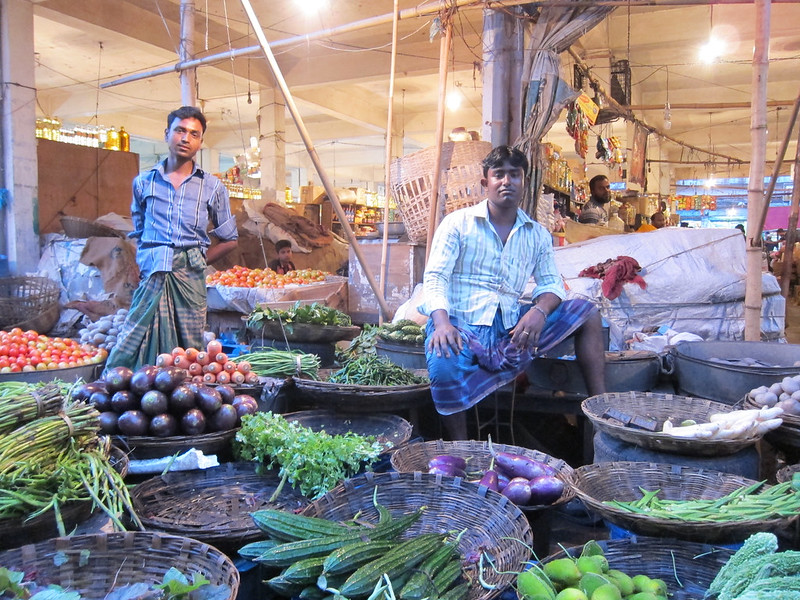 The recent surge in food price inflation in Bangladesh has reached alarming levels, with the Bangladesh Bureau of Statistics (BBS) reporting a 10.76% increase in May 2024, following a jump to 10.22% in April. This marks a continuing trend of escalating food costs. Mustafa K Mujeri, executive director of the Institute for Inclusive Finance and Development and former chief economist of the Bangladesh Bank, noted that “while global market prices have stabilized internal economic instability in Bangladesh is preventing consumers from benefiting from these changes.” Experts attribute the inflationary pressures initially to supply chain disruptions caused by the COVID-19 pandemic and further aggravated by the Russia-Ukraine war.
Historical Highs and Long-term Effects
Since Aug. 2023, Bangladesh has seen a staggering 12.34% increase in food prices, the highest in more than 13 years. This sharp rise has left approximately 71% of families struggling to afford necessities. Various factors, including global inflation, climate change impacting agricultural productivity and ongoing supply chain disruptions, contribute to this dramatic increase. The effects on families are profound, with widespread malnutrition and food insecurity.
Fluctuating Food Prices
In June 2024, food prices in Bangladesh surged by 10.42% compared to the same month the previous year, marking a significant increase. From 2013 to 2024, the average food inflation rate was 6.89%. The country’s highest food inflation, 12.56%, occurred in Oct. 2023, while the lowest rate, 3.77%, was in Feb. 2016. This rise in food prices has forced many Bangladeshi families into a daily struggle to secure enough food, leading to widespread malnutrition and persistent food insecurity. Despite these challenges, several charities are actively providing relief and support to those most affected by the crisis.
Goreeb Fund
The Goreeb Fund provides vital support to families through its distribution of family food packs containing essential groceries. These packs are crucial for families struggling with the sharp increase in food prices, ensuring they have enough to eat. The Goreeb Fund actively addresses immediate community needs, helping families maintain food security. Additionally, its Ricebag Project distributes rice to families in need and the Tubewell Project installs water pumps that supply clean drinking water. Each pump can serve up to seven families, enhancing community well-being by improving access to safe drinking water.
Salam Charity
Salam Charity addresses food insecurity by constructing water wells and distributing food packs to vulnerable families. Its initiatives ensure communities have access to clean water and provide essential nutrition. Each food pack, filled with rice, oil, lentils and sugar, supports a family for a month. By tackling both water and food needs, the charity enhances community well-being, especially in areas affected by rising food prices. Access to clean water and nutritious food supports daily life, empowers families to make the most of the resources they receive and improves overall health while reducing concerns about securing the next meal.
Action Against Hunger
Action Against Hunger is committed to addressing hunger and malnutrition in Bangladesh with both immediate and long-term solutions. Its programs, which reached more than 458,915 people last year, include nutrition education and emergency food distribution, focusing on sustainable changes that enable families to meet their own food needs in the future. It supports families like Shilpi’s in adopting climate-resilient farming techniques to increase food production at home. Shilpi shares significant improvements in her family’s diet and health, noting that “We can now provide for our children. My young children love fish and their father brings fish from our pond almost every day. My children’s health has improved so much and I find I have more energy as well. After selling eggs in the market, I can give eggs to my family for our daily breakfast. This was never possible before.” This self-sufficiency in food production allows them to mitigate the effects of rising food prices, ensuring continuous access to nutritious food.
Looking Ahead
The continuous surge in food prices in Bangladesh underscores the pressing need for effective interventions to address food insecurity and malnutrition. With inflation rates reaching historical highs, many families struggle to afford necessities, highlighting the critical role of charities like the Goreeb Fund, Salam Charity and Action Against Hunger. These organizations provide essential support through food distribution, clean water access and sustainable agricultural practices, helping to mitigate the impact of rising costs and ensuring that vulnerable populations receive the assistance they need. As the situation evolves, coordinated efforts between the government and humanitarian organizations could be essential in stabilizing food prices and enhancing food security for all Bangladeshis.
– Fahima Begum
Fahima is based in London, UK and focuses on Good News and Global Health for The Borgen Project.
Photo: Flickr
