How Netflix is Addressing Famine in Malawi
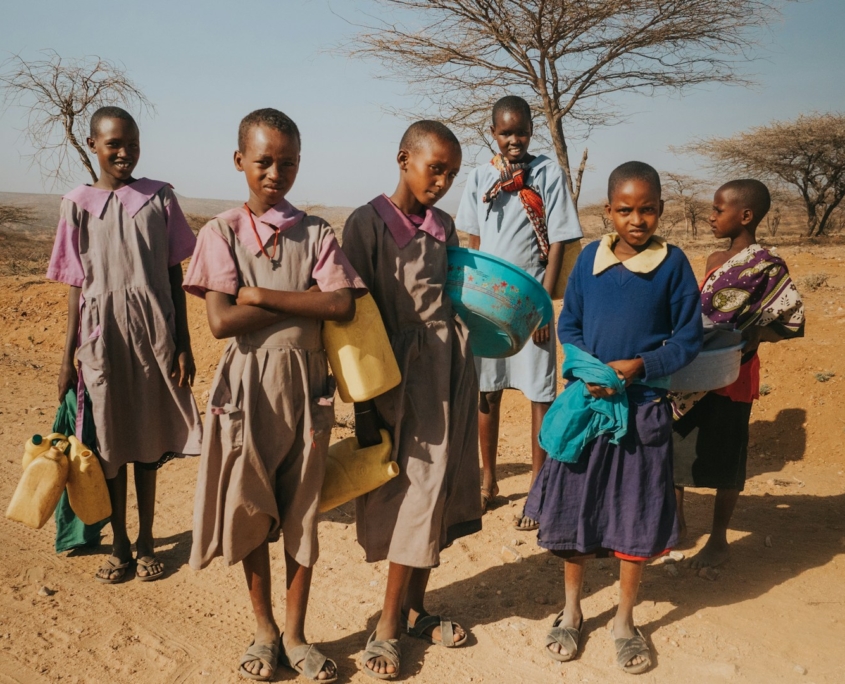 Malawi, a country in East Africa, has faced eight droughts in the past 36 years, impacting more than 24 million people. In today’s digital era, film and media significantly influence public awareness. The Netflix film “The Boy Who Harnessed the Wind,” sheds light on drought and famine in Malawi, illustrating the power of storytelling in highlighting critical environmental and societal issues.
The true story-based film “The Boy Who Harnessed the Wind” vividly captures the harsh realities of drought in Malawi, underlining the urgency of global intervention. It aligns with the World Bank’s “Malawi Drought Recovery and Resilience Project” which aims to mitigate and prevent the dire consequences of drought. It also showcases the critical role of such initiatives in addressing environmental crises.
Depiction of Drought in the Film
The film is set in Kasungu, a town in central Malawi, where the narrative focuses on William Kamkwamba and how drought impacts both his life and the lives of his neighbors. Water shortages, primarily caused by a lack of precipitation in Malawi, mean that crops cannot grow. This also means that crop production becomes unstable, resulting in widespread food scarcity.
Drought often escalates to famine, leading to widespread hunger, as depicted in “The Boy Who Harnessed the Wind.” The film shows the stark realities of drought in Malawi through scenes of parched earth, crop failures and distressed children. While dramatized for emotional impact, these portrayals accurately highlight the devastating effects of drought and famine on communities.
Drought and famine in Malawi not only lead to starvation but also have devastating economic effects. The scarcity of water results in poor agricultural conditions and the loss of livestock, stripping individuals of their main sources of income and livelihood. This cycle exacerbates the country’s poverty and hinders economic development.
The agriculture sector, crucial for the majority of Malawi’s rural population, suffers significantly from drought and famine. This scenario leads to a decrease in exportable resources, making generating income for the economy challenging. Consequently, poverty intensifies in rural areas where agriculture is a primary livelihood, highlighting the need for sustainable solutions to water scarcity and agricultural resilience.
Famine in Malawi: A Promising Future
Droughts in Malawi, often triggered by natural resource scarcity such as rain, present complex challenges for prevention and control. However, effective measures exist, as highlighted by the Malawi Drought Recovery and Resilience Project. This initiative showcases how technology and financial strategies can mitigate the country’s vulnerability to climate risks and disasters, providing a practical approach to bolstering resilience against drought in low-income nations.
In addition to preventative actions, supporting communities after drought’s severe consequences is crucial, as demonstrated by the World Bank’s economic aid initiative for Malawi, which includes a $104 million grant. This funding aids in providing food relief, restoring dry lands and introducing drought-resistant crops, offering direct assistance to Malawi’s affected communities.
Looking Ahead
“The Boy Who Harnessed the Wind” serves as a poignant reminder of Malawi’s resilience in the face of environmental adversities, driving home the urgency for global and local action. With initiatives like the Malawi Drought Recovery and Resilience Project gaining momentum, there’s renewed hope for sustainable solutions to combat drought and enhance agricultural resilience. As awareness spreads through powerful storytelling and concerted efforts continue, the future for Malawi looks increasingly promising, with paths paved toward recovery, sustainability and economic stability.
– Amelie Bunce
Photo: Unsplash
