• Link to X
  • Link to Facebook
  • Link to Instagram
  • Link to TikTok
  • Link to Youtube
  • About
    • About Us
      • President
      • Board of Directors
      • Board of Advisors
      • Financials
      • Our Methodology
      • Success Tracker
      • Contact
  • Act Now
    • 30 Ways to Help
      • Email Congress
      • Call Congress
      • Volunteer
      • Courses & Certificates
      • Be a Donor
    • Internships
      • In-Office Internships
      • Remote Internships
    • Legislation
      • Politics 101
  • The Blog
  • The Podcast
  • Magazine
  • Donate
  • Click to open the search input field Click to open the search input field Search
  • Menu Menu
Blog - Latest News
Family Planning and Contraception, Global Poverty

Family Planning and Poverty
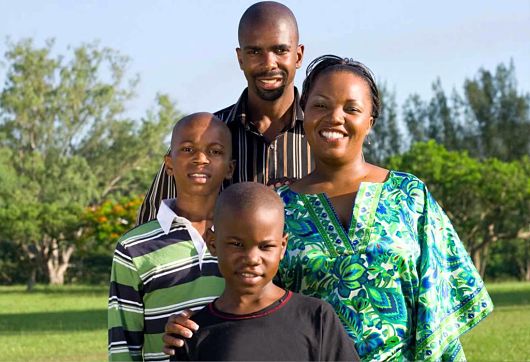
Family-Planning-Reduces-Poverty

Latin America and the Caribbean provide valuable examples of how family planning can reduce poverty.

Family planning involves strategies to delay childbirth, space births over time and avoid unintended pregnancies. When women and men can control the size of their families, they are more likely to have the resources to support their children.

A recent report, “Family Planning in Latin America and the Caribbean: The Achievements of 50 Years,” shares many success stories of family planning research and programs in this region.

The current contraceptive prevalence rate in this region is 74%. This is one of the highest rates within the developing world. The rest of the world can learn from success in Latin America.

With the rise in contraception use, Latin America has seen an increase in educational participation, a decrease in the infant mortality rate and a more stable economic climate.

A few of the most effective strategies include the work of dynamic NGOs with new methods of family planning, financial and technical assistance from USAID, the development of local expertise, and availability and access to research data.

The family planning strategies developed from clinic-based efforts include direct delivery of contraceptives to community-based awareness efforts involving mass media.

The use of mass media to change cultural norms and attitudes proved to be an effective strategy. The use of radio and television helped increase awareness about family planning and strengthen support. Traditionally, families in the region had many children and did not use contraception. This put a strain on limited resources. For families to accept family planning methods, this required a change in belief about how families should be created and maintained.

In Mexico, popular singers, Tatiana and Johnny, recorded songs and produced music videos that supported responsible sex. For example, the song titled “Detente” or “Wait” in English, suggesting ideas to delay childbirths or wait to have sex.

While this region of the world has achieved great success and can serve as a model for areas such as Sub-Saharan Africa, there is still work to be done. Adolescent fertility rates remain high, and young, rural women of lower socioeconomic status are less likely to have access to family planning resources. There is a need for continued research and commitment to reach all people.

– Iliana Lang

Sources: Carolina Population Center, Carolina Population Center 2
Photo: YouTube

July 12, 2015
Share this entry
  • Share on Facebook
  • Share on X
  • Share on WhatsApp
  • Share on Pinterest
  • Share on LinkedIn
  • Share on Tumblr
  • Share on Vk
  • Share on Reddit
  • Share by Mail
https://borgenproject.org/wp-content/uploads/borgen-project-logo.svg 0 0 Borgen Project https://borgenproject.org/wp-content/uploads/borgen-project-logo.svg Borgen Project2015-07-12 10:26:122024-12-13 17:54:02Family Planning and Poverty

Get Smarter

  • Global Poverty 101
  • Global Poverty… The Good News
  • Global Poverty & U.S. Jobs
  • Global Poverty and National Security
  • Innovative Solutions to Poverty
  • Global Poverty & Aid FAQ’s
Search Search

Take Action

  • Call Congress
  • Email Congress
  • Donate
  • 30 Ways to Help
  • Volunteer Ops
  • Internships
  • Courses & Certificates
  • The Podcast
Borgen Project

“The Borgen Project is an incredible nonprofit organization that is addressing poverty and hunger and working towards ending them.”

-The Huffington Post

Inside The Borgen Project

  • Contact
  • About
  • Financials
  • President
  • Board of Directors
  • Board of Advisors

International Links

  • UK Email Parliament
  • UK Donate
  • Canada Email Parliament

Get Smarter

  • Global Poverty 101
  • Global Poverty… The Good News
  • Global Poverty & U.S. Jobs
  • Global Poverty and National Security
  • Innovative Solutions to Poverty
  • Global Poverty & Aid FAQ’s

Ways to Help

  • Call Congress
  • Email Congress
  • Donate
  • 30 Ways to Help
  • Volunteer Ops
  • Internships
  • Courses & Certificates
  • The Podcast
Link to: Child Poverty in Wales Remains Highest in the UK Link to: Child Poverty in Wales Remains Highest in the UK Child Poverty in Wales Remains Highest in the UK Link to: Bangladeshi Floating Schools Redefine Accessible Education Link to: Bangladeshi Floating Schools Redefine Accessible Education Bangladeshi Floating Schools Redefine Accessible Education
Scroll to top Scroll to top Scroll to top