10 Facts About Mexican Drug Cartels
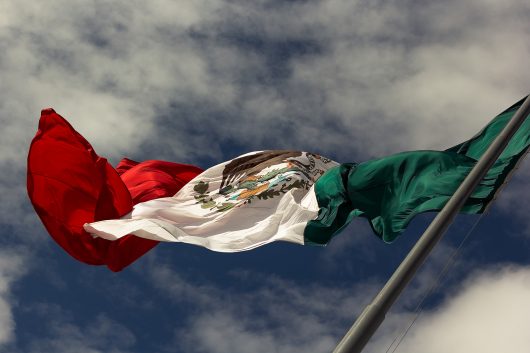
Continual and sensational news coverage of Mexican drug cartels may have desensitized people to the realities and sources of the violence. It is easy to forget how long the crisis imposed by the cartel has gone on and how far it is from over. To place the issue back into perspective, discussed below are 10 facts about Mexican drug cartels and the ways through which the government has attempted to deal with them.
Mexican Drug Cartels: Facts and Figures
- In December of 2006, former Mexican president Felipe Calderon sent 6,500 troops into Michoacán to address the rampant gun battles, execution-style murders and police corruptions which cartel rivalry had unleashed on the community. In so doing, Calderon launched the Mexican war on drugs, a literal war which would involve more than 20,000 troops within the first two months.
- Since this war’s inception, 25 of the 37 drug traffickers on Calderon’s most wanted list have been jailed, more than 100,000 tons of cocaine decommissioned and almost 450,000 acres of marijuana plants destroyed, but the violent loss of life remains on the rise. Smuggling routes spread into previously peaceful areas as military involvement increased.
- The United States, as home to tens of millions of users, comprises the world’s largest drug market. In fact, in 2013 about 10 percent of the U.S. population over the age of 12 were recent users, and drug consumption remains on the rise. Mexican drug cartels are estimated to earn between 19 and 29 billion dollars annually from U.S. drug sales.
- As more of the United States decriminalizes marijuana, illegally-smuggled Mexican product cannot compete with the quality or price of U.S. production. Simultaneously, a prescription opioid epidemic across the U.S. has raised the demand for heroin. As a result, Mexican production of heroin rose by 170 percent between 2013 and 2015, while marijuana dealings have largely diminished.
- As part of the United States’ own war on drugs, the government has given at least $1.5 billion to support Mexico’s anti-drug efforts. Concerned critics believe this deluge of cash contributes to corruption in the Mexican military and among police on the frontlines.
- Ten years after the Mexican military was deployed to combat cartels, the nation’s top general, Salvador Cienfuegos, said the troops ought not to have been involved and were not trained to pursue criminals to begin with. On December 9, 2016, the Mexican defense secretary said troops surrogating for police was an insufficient, even damaging, solution.
- Violence surged across Mexico in 2016, with more than 17,000 homicides reported in the first 10 months. This is the highest death toll since 2012.
- Strategically, Mexico has waged its American-backed war by targeting the kingpins, assuming that annihilating cartel leadership would dissolve these criminal organizations. The recent rise in violence throughout Mexico suggests this approach is ineffective. For instance, since Sinaloa cartel chief Joaquín “El Chapo” Guzmán was recaptured by authorities in January, the gang has splintered and multiplied.
- Mexico’s decade-long war on drugs has cost about 200,000 lives to date and left 28,000 missing. Reciprocal violence from cartels, police and soldiers has violated human rights and ravaged Mexican communities.
- A 2015 poll on the efficacy of Mexican institutions revealed that the police, the president’s office, politicians and political parties rank among the least trusted establishments in Mexico, in large part due to the reign of violent cartels, which has cost so many lives.
By demilitarizing the war on drugs and reestablishing faith in the government, Mexico can begin to heal. The DEA recently emphasized the importance of coupling strategies: the targeting of high-profile cartel members by law enforcement and the provision of community outreach programs to end the opioid epidemic in Mexico and the United States. Long-term solutions must integrate security with social services to pursue prosperity.
– Robin Lee
Photo: Flickr
