5 Facts About Malaria in Thailand
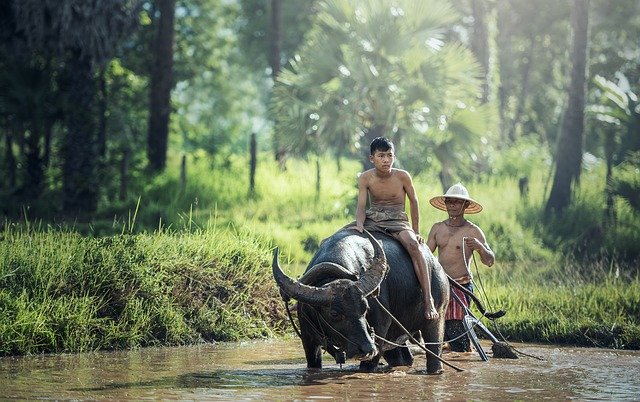 Thailand is home to nearly 70 million people. The Asian country is known for tropical beaches, opulent palaces and lush elephant rainforests. This extravagant subtropical climate is perfect for tourism but also serves as a breeding ground for mosquito-borne diseases such as malaria. Symptoms of malaria range from fever, seizures and even death.
 5 Facts About Malaria in Thailand
- Around 45 percent of the population is at risk of contracting malaria. According to the World Health Organization (WHO), 32 million people are at risk of being infected with malaria in Thailand. The country is filled with more than 46 million acres of thick jungle and rainforest. Many citizens live in these dense ecosystems, along with several species of mosquito. The most dangerous areas of transmission are border regions, like the borders with Myanmar and Cambodia. These regions have an abundant population of highly infectious female Anopheles mosquitoes.
- The wet season poses the highest risk. The highest risk of malaria in Thailand lies during the rainy season when mosquitoes are most active. The wet season typically occurs from mid-May to mid-October. During this period the presence of the mosquitoes that carry malaria parasites is much higher than other seasons. Of note, the rural areas of Thailand tend to be more affected while larger cities such as Bangkok, Chiang Mai and Pattaya do not experience a high risk of malaria even during the wet season.
- Malaria control mechanisms greatly reduce the risk of spreading the disease. Mass free distribution of materials such as insecticide-treated nets (ITNs), long-lasting insecticidal nets (LLIN) and the practice of indoor residual spraying (IRS) reduce the risk of contracting malaria substantially. By eliminating the transmitters, these insecticides are simultaneously eliminating the parasite. The WHO attributes Thailand’s advancement in preventing the spread of the disease to these materials and methods that have proven to provide powerful results.
- The Global Fund and UNICEF are helping. In 2010, Thailand’s funding for malaria control exceeded 7 million dollars. Funding has gradually increased year by year, mainly financed by the Global Fund and UNICEF. Thailand, a still-developing country, relies heavily on external aid to support health initiatives. Organizations like Global Fund and UNICEF are saving lives from preventable diseases like malaria through continuous aid.
- Cases and deaths of malaria in Thailand are declining. New malaria cases have declined since 2000 and continue to do so rapidly. There are less than 70 annual deaths of malaria in Thailand, which is almost a 90 percent reduction from 20 years ago. The nation’s successes in reducing malaria mortality are attributed to the increased funding for malaria control mechanisms, such as ITNs, LLINs, IRS and other forms of insecticidal materials.
These five facts about malaria in Thailand indicate a positive turn for the developing nation. Although, in rural areas, the disease persists with severity. With continued support from humanitarian aid organizations, Thailand can achieve minimal malaria cases with various control mechanisms.
– Hadley West
Photo: Pixabay
