Addressing Elderly Poverty in the Solomon Islands
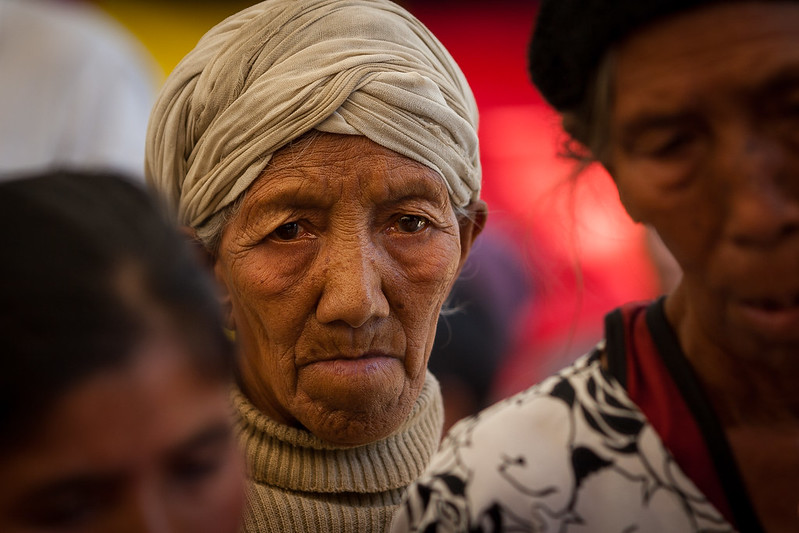 The Solomon Islands, a group of 992 islands in the South Pacific near New Guinea and Australia, has a population of more than 800,000. The Solomon Islands and Australia share a long history that has resulted in economic, infrastructural and developmental progress. The island country is vulnerable to natural disasters such as tropical storms, tsunamis and earthquakes, and the region also has active volcanic activity. The islands face food insecurity and malnutrition, with main exports including copra, cocoa and timber. Elderly poverty in the Solomon Islands is an issue that receives little discussion within the country. The country’s poverty rate is 25%, and 80% of the Solomon Islands’ population lives in rural areas.
Nonprofit organizations such as the West ‘Are’ Are Rokotanikeni Association (WARA) work to reduce poverty and uplift the social status of women in the Solomon Islands. The government of Australia works closely with the Solomon Islands through Australia’s Official Development Assistance (ODA) program, aiming to improve the quality of life, boost the economy and strengthen the country’s resilience. With elderly Solomon Islanders being the most vulnerable, assistance from the neighboring country supports healthier outcomes against elderly poverty.
Elderly Population
The elderly population of the Solomon Islands over the age of 65 is 5%. As they are the most vulnerable population, the elderly need as much assistance as possible to continue living their lives with friends and family. Many elderly people are susceptible to noncommunicable diseases such as strokes, heart disease, kidney disease and diabetes. The elderly Solomon Islanders in poverty suffer from the lack of basic health care needs, food insecurity, malnutrition and hunger. With a majority of the population living in rural areas in general, the elderly suffer without access to transportation, food or clean water.
Transportation and Health Care
Many Solomon Islanders travel via boat to different islands for work or other necessities. Without access to transportation, the elderly island people have difficulty getting the care they need. In the capital city of Honira, 75% of the doctors work in the National Referral Hospital (NRH), while a majority of the nation’s population lives in rural areas.
NRH is known to be the best hospital in the country because of its access to resources, quality care and accessible location on the main island, Guadalcanal. NRH connects with organizations such as the Australian Volunteer Program to work alongside local hospitals and clinics to provide care to young and elderly patients. Education programs such as the Postgraduate Diploma of Rural Medicine enable provincial doctors to work in rural hospitals and clinics as specialists.
Australia’s Official Development Assistance Program
Australia’s goal in its partnership with the Solomon Islands is to make the country more stable and prosperous. To make this goal possible, the ODA has three objectives. The first objective is creating more job opportunities, building economic growth and infrastructure. The second objective is investing in the Solomon Islands people and communities. Finally, the third objective is improving stability and resilience in the Solomon Islands.
Reducing the Poverty Rate
The Solomon Islands’ National Development Strategy (NDS) is a government-led plan to improve the Solomon Islands’ economy, infrastructure, workforce and bring poverty down to 5% by 2035. This long-term plan focuses on “improving the social and economic livelihoods of all Solomon Islanders.” In reducing the poverty rate, the government of the Solomon Islands plans to focus on the basic needs of the native people, such as sanitation, transportation, clean water and food security, increasing employment and job security and resolving gender inequality for women and people with disabilities.
Looking Ahead
Through surrounding countries and island nations, the resources needed to improve elderly poverty in the Solomon Islands are available, though progress comes in steps. Australia’s government provides support through ODA, along with branches of government organizations and nonprofits working alongside the Solomon Islands. The country’s own government has long-term plans to address poverty and is actively taking steps to support even the most vulnerable people, including the elderly. Together, these efforts look to create a path toward lasting progress and a stronger future for the Solomon Islands.
Gene A. Lambey, Jr.
Gene is based in Washington, D.C., USA and focuses on Good News and Global Health for The Borgen Project.
Photo: Flickr
