Addressing Elderly Poverty in Guinea-Bissau
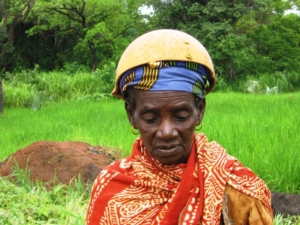 In the villages and rural communities of Guinea-Bissau, elderly citizens, who occupy about 3.1% of the population, struggle each day to survive on limited resources, resulting in poverty and neglect overshadowing their years of experience. Guinea-Bissau is a small country located in West Africa with a population of more than two million people. Its economy primarily depends on agriculture, with exports including fish, cotton, cashew nuts and groundnuts. However, deep-rooted challenges such as corruption, war damage, inflation and poverty prevent the nation from meeting the needs and hopes of its people. With more than two-thirds of the population living below the poverty line, the elderly, who make up 3.14% of the population, remain among the most vulnerable. Guinea-Bissau must address elderly poverty and strengthen social support to ensure dignity and well-being for older citizens. Here is more information about elderly poverty in Guinea-Bissau.
Challenges That the Elderly Population Face
Elderly poverty occurs when people of the older generation, typically 65 years and older, experience financial insecurity and limited access to basic resources. This issue creates serious concern in Guinea-Bissau, where economic instability and a weak social support system increase the vulnerability of the aging population.
The pension system in Guinea-Bissau plays a major role in causing elderly poverty in Guinea-Bissau. Guinea-Bissau operates two pension schemes: a public one for government employees and a private scheme that the National Social Security Institute (INSS) oversees. However, both systems face serious challenges. Most citizens work in the informal sector and therefore do not receive formal pension benefits. Irregular government funding and financial strain weaken the public scheme, while the private system suffers from administrative inefficiency and weak oversight.
These issues leave many elderly citizens without social protection and steady income, making Guinea Bissau’s case severe compared to other West African countries. Pensions cover only about 2.9% of the workforce in Guinea-Bissau, leaving 97% of working adults without a financial safety net after retirement. Most elderly citizens rely on support from family members or community networks to survive. Those without family assistance often face extreme poverty and food insecurity, and they often lack of access to health care.
Efforts Towards a Brighter Future
Despite these difficulties and challenges, several organizations support the elderly and work to reduce poverty in Guinea-Bissau. Organizations such as Caritas Guinea-Bissau provide health care, food security and community support for vulnerable groups. Since its establishment in 1982, Caritas Guinea-Bissau has built 41 parishes and missions. It leads programs in health, food security, training and emergency response, particularly in rural communities, to benefit people of the older generation.
Community and faith-based initiatives also address elderly poverty and social support in Guinea-Bissau. Ajuda Amiga’s program in Guinea-Bissau manages direct relief programs that distribute food, clothing and medicine to communities in need each year, focusing on elderly citizens who lack pensions or family support.
The Church of the Nazarene in Guinea-Bissau contributes through its mobile clinic initiative, relaunched in 2023. Teams of local and international medical volunteers operate mobile health units that travel to remote areas, offering primary care, vaccinations and health education. Together, these organizations bring humanitarian relief and long-term development by ensuring that elderly citizens receive both care and representation.
Looking Ahead
According to the World Bank, developing Guinea-Bissau’s human capital remains critical to breaking the cycle of poverty and achieving long-term sustainable growth. The country must improve access to health care and rural development while creating a national pension system that protects citizens of the older generation. Promoting public awareness about the value of elder care will help citizens recognize support for older generations as both a social and economic responsibility within the country.
– Emmanuel Fagbemide
Emmanuel is based in Winnipeg, Canada and focuses on Technology and Global Health for The Borgen Project.
Photo: Flickr
