Earthquake Recovery Project: Rebuilding Morocco
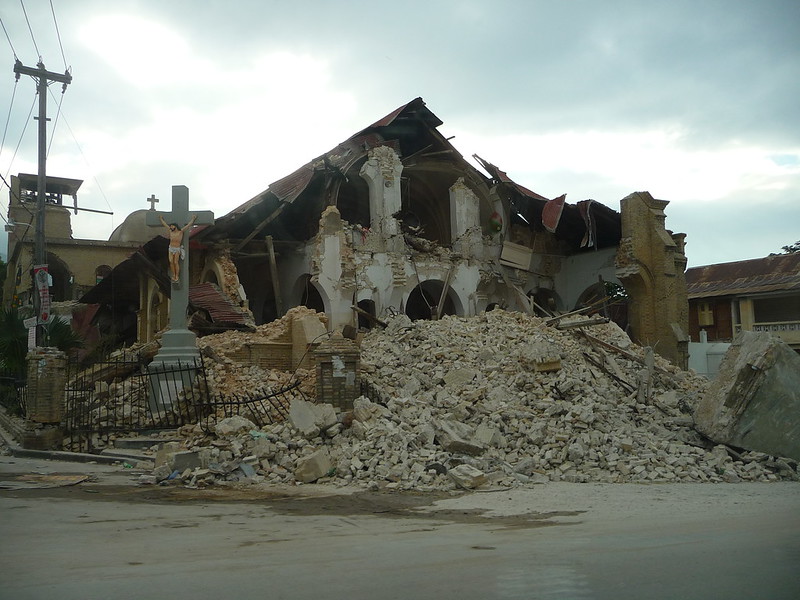 On Sept. 8, 2023, a 6.8-magnitude earthquake struck Morocco’s High Atlas Mountains, marking the country’s deadliest seismic event in recent history. The disaster claimed nearly 3,000 lives, injured more than 18,000 people and damaged about 60,000 homes, especially in remote regions like Al Haouz and Taroudant provinces. Entire communities lost shelter, access to basic services and vital infrastructure, forcing families to rebuild their lives from the ground up.
Earthquake Recovery Project
In response, the Moroccan government introduced a five-year recovery project valued at approximately 120 billion dirhams (about $11.7 billion). The plan prioritizes rehousing, infrastructure upgrades and social and economic development. A central feature of the plan, the “supervised self-construction” model, allows affected residents to rebuild their homes using government financial support and architectural guidance. Reconstruction efforts focus on the most severely affected areas, including the provinces of Al Haouz, Chichaouoa, Taroudant, Marrakech, Ouarzazate and Azilal.
The project aims to reach 4.2 million people. Funding comes from the national budget, international aid and various public and private contributions. USAID committed $12.6 million to support Morocco’s earthquake recovery project. Eligible families receive up to 140,000 dirhams (approximately $13,600) to cover reconstruction and temporary housing needs.
Challenges Ahead
Despite the ambitious plan, progress remains slow. By 2024, only around 1,000 of the targeted 55,000 homes had been built. Labor shortages, rising material costs and difficult mountain terrain have created bottlenecks. Landslides left many roads blocked by debris and boulders, preventing emergency services and aid convoys from reaching those in need. The government also faced criticism for limiting foreign aid. Authorities initially accepted help only from a few countries—Spain, Qatar, Britain and the UAE—while declining offers from others, including France, Germany, Tunisia, Canada and the United States (U.S.) Many viewed this decision as a missed opportunity to accelerate the recovery process and widen the scope of assistance.
Community-Led Recovery
While national efforts struggled, grassroots initiatives stepped in to fill the gap. In Ait Bourd, a Moroccan architect introduced an insulated, earthquake-resistant home design capable of replacing about 50,000 destroyed homes. The Atlas Foundation partnered with local communities to support participatory planning and build capacity, ensuring that villagers guided the rebuilding process themselves. In Talat N’Yaaqoub, residents organized teams to clear rubble and distribute supplies. University students from Marrakech launched mobile clinics and provided psychological support for survivors. Caritas Morocco, with backing from the Caritas Confederation, worked to deliver clean water, food and hygiene essentials. These local initiatives did more than meet immediate needs—they also strengthened community resilience and laid a foundation for long-term recovery.
Looking Forward
These community-led initiatives address immediate needs and lay the groundwork for sustainable development and resilience against future disasters. As Morocco navigates the complex path to recovery, integrating grassroots efforts with national and international support may help accelerate reconstruction. Ongoing coordination, resource mobilization and attention to regional disparities could likely influence the pace and scope of long-term recovery. Monitoring progress and adapting strategies to on-the-ground realities remain important as rebuilding continues across affected provinces.
– Sebastian Llerena
Sebastian is based in Edison, NJ, USA and focuses on Global Health for The Borgen Project.
Photo: Flickr
