Drinking Water in Bangladesh
 Water Supply, Sanitation and Hygiene (WASH) is an acronym often used by NGOs and aid agencies working in public health. As experts deem the quality of a country’s WASH systems to directly influence public health and educational attainment — factors that directly affect the development and creation of a skilled workforce for a country.
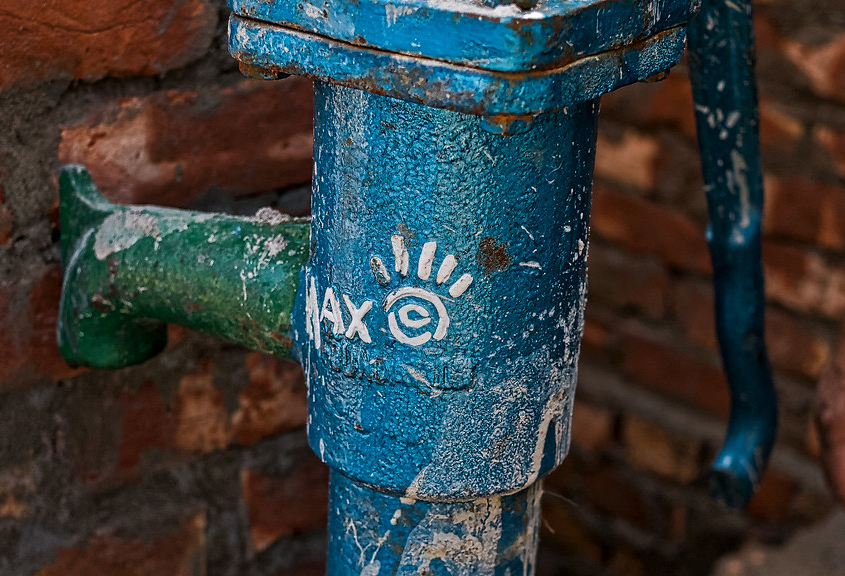
The World Bank claims Bangladesh has made significant progress in improving its WASH systems. This includes strides in water supply quality through the extensive installation of tube-wells from which close to 90% of the population obtain their drinking water. Tube-wells extract water with far fewer contaminants than untreated surface water but contaminants such as arsenic remain and are believed to be consumed on a regular and widespread basis by many in the country.
Arsenic Contamination
Arsenic is naturally present in the groundwater of several countries such as Bangladesh, Chile, Argentina and Nepal. Experts know exposure to arsenic is a cause of a range of illnesses such as cancers, diarrhea and skin lesions. While arsenic exposure can also be attributed to industrial and food sources, consumption of contaminated groundwater is the primary source of exposure. Moreover, ‘inorganic’ arsenic that is found in groundwater is known to be more harmful than the “organic” type that is found in seafood.
Drinking Water in Bangladesh
In past decades, the Bangladeshi government had installed many tube-wells to combat the spread of waterborne diseases without performing any form of testing of arsenic content. This act of negligence in what would have otherwise seemed an overwhelmingly positive action would come back to bite.
Arsenic contamination of groundwater was first recognized as a problem in 1987 but it was not until the nationwide screening program between 1999 and 2006 that the government performed any significant action regarding the matter. That program found that approximately 20% of tube-wells in the country contained water above Bangladesh’s national standard of 50mg/l.
What Has Been Done?
- Installation of deeper tube wells that extract water of better quality
- Testing arsenic content of tube-wells and marking suitable and unsuitable tube-wells in green and red respectively
- Water filtration to reduce arsenic levels to a healthy level
- Educating people about the risks associated with consuming contaminated water
- Distribution of arsenic testing kits to enable people to check their water supplies
However, on the larger scale of things since the 1999-2006 screening program, mitigation measures have been few and far between and a Human Rights Watch report in 2016 found a severe lack of resources to deal with arsenic-related illnesses at rural levels. It also identified the application of deep tube-wells in areas where they were not necessarily required as opposed to areas with known high concentrations of arsenic. Additionally, the study found evidence of political bias in determining the location of the installation of deep tube-wells.
What Needs to Be Done?
Alongside testing of tube-well water and installation of deep tube-wells a greater understanding of the magnitude and severity of the public health impact is required. Due to widespread inattention surrounding the topic within the country’s medical circles, there remains a lack of comprehensive understanding of the topic. Like with many poverty-aggravated health issues, a lack of funds can be attributed to this, in an interview with The Daily Star, Quazi Quamruzzaman, a doctor who has been studying the health impacts of arsenic since the 90s said, “We are dependent on donors’ fund for research.”
Social entrepreneurship schemes such as Drinkwell may also provide a sustainable and long-term solution to the problem of drinking water in Bangladesh. Drinkwell mobilizes local business people by providing water purification facilities that they can use to sell purified water. Alongside increased sustainability from reduced aid dependency, schemes such as this can give locals the basic human right of clean drinking water at an affordable price. Khairul Islam, Country Director for Water Aid in Bangladesh believes that “social entrepreneurs have got a role to play in resolving the problem of arsenic.”
In Conclusion
Unfortunately, the issues surrounding drinking water in Bangladesh lie dormant in the attention of the local government and the international community for many years at a time. A greater amount of funding will certainly be required to enable the country’s health system to better deal with arsenic-related illnesses and gain a more comprehensive understanding of the issue at hand. Alongside the building of deep tube-wells and continued water testing the uncompromising geography of the country also means water purification facilities will be required especially for areas with groundwater of high arsenic concentration. All this being said, through undertaking a diverse set of actions that make use of innovative solutions such as social entrepreneurship the problem may be altogether rectifiable.
– Sabique Sadique
Photo: Flickr
