A Voice for Gender Equity: Spotlighting Dr Murabit
 In a society that prioritizes the rights, freedoms, power, and authority of men, women and girls are all too often pushed to the margins. Due to socio-cultural values and systems that view women as disposable and distill their contributions to society to their reproductive capacity, women experience disenfranchisement and inequality across sectors.
Background
Unfortunately, the North African country of Libya is not excluded from its involvement in gender disparities and violence. The U.N. reports that the most prominent obstacles to gender equality are:
- “Women face high rates of unemployment due to the lack of recognition of their contribution to the economy.”
- “Women are significantly underrepresented in politics, humanitarian response, conflict resolution and peacebuilding.”
- Women and girls experience violence and the current legal framework does not have adequate resources to protect these communities from the various forms of gender-based violence.
- Humanitarian and protection crises often impact the most vulnerable populations at disproportionate rates, including women.
Transforming Communities
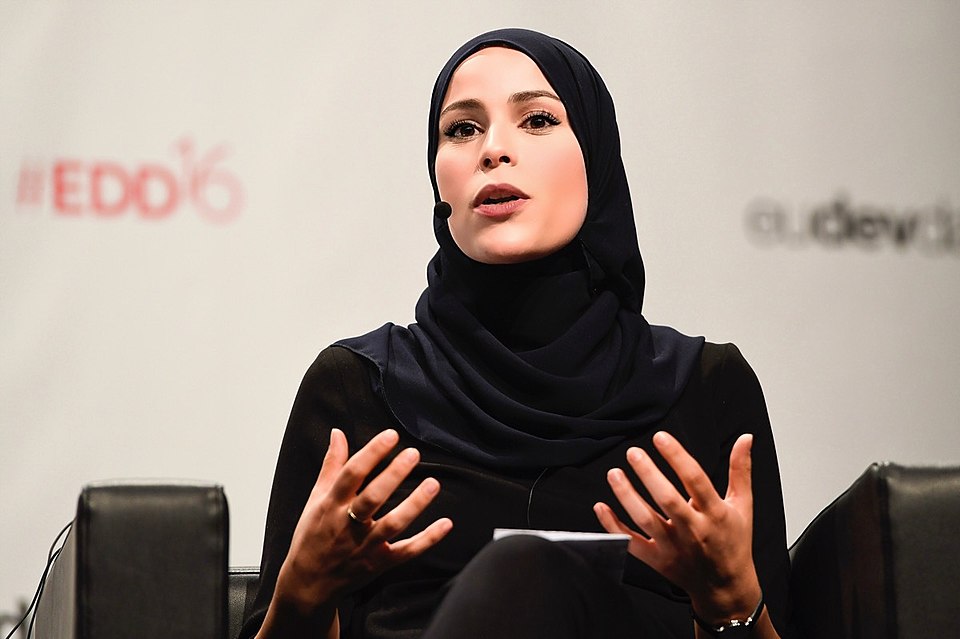
With the knowledge of the harm so many girls and women encounter daily purely because of their gender and where they come from, activists have invested in transformative work focused on giving gender equity the platform it deserves, showcasing it as necessary to the protection and livelihood of women globally. Global Strategist and activist, Dr Alaa Murabit, has done just this.
As a Canadian-born woman of Libyan descent, Murabit, from a young age, has been focused on social justice. Her work now stems from organizations, programs, and initiatives worldwide centered on health, innovation, equity, security and peace. Indeed, as the founder of Voice for Libyan Women, Murabit has first-hand experience in global policy and programs invested in gender equity, sustainable development, and more.
A Voice to be Heard
Dr Murabit founded the Voice of Libyan Women (VLW) in 2011, when she was 21. Having established the organization in response to the Libyan Revolt of 2011, Murabit described the VLW as a women’s rights organization that focuses on peace and security.
With this vision, the youth-led group invited girls and women of all backgrounds to radically imagine a different Libya where they were a part of political participation. These women envisioned gender equity by increasing political participation, economic empowerment and speaking out against gender-based violence.
In an article she wrote for New America Weekly and Yes! Solutions Journalism, Dr Murabit shared why it was so imperative to adopt a dialogue-driven approach for VLW. She writes, “It hands the community words and tools to fight against violence, poverty, fear, and corruption—weapons of strength and self-actualization. It offers youth weapons of peace against an enemy that wants to drag them into war.” This approach not only empowers girls and women, allowing them agency and the opportunity to use their voices towards social change, but also prioritizes dialogue as integral to international peace.
Supporting Rising Leaders
In addition to the Voice of Libyan Women, Dr Murabit is one of the founding leaders of The NewNow. Similar to the VLW, through collective action, The NewNow “tackles the world’s toughest challenges by amplifying, supporting, and developing” rising leaders. With a vested focus on the Global South, the mission of the organization includes:
- Amplifying and supporting the voices of young leaders in their commitments to global transformation.
- Challenging the status quo.
- Sharing knowledge and approaches fostering “systems-thinking.”
As much of Murabit’s work illustrates, the perspective and methodology of The NewNow interrogates the systems of power that make up our society and cultures. Furthermore, by analyzing the disparities that emerge from these structures, leaders are better able to understand how the obstacles and challenges that foster poverty, climate change, racial discrimination, gender inequality, etc., are interlocking and interconnected.
Through a grassroots approach, the nonprofit empowers and supports young people in their mission to cultivate a sustainable, equitable future.
There is No Future Without Women
In a 2023 keynote speech for One Young World Manchester, Dr Murabit stresses the expansive effect and reach of devaluing women and girls. She says, “We cannot resolve poverty if women cannot access a bank account. […] And, we cannot build beyond COVID-19 or build back from it if women and girls don’t have access to health care.”
This exclusion and devaluing of women extends far beyond a so-called “single issue” or “women’s issue.” Gender inequality permeates all facets of life, shaping our socio-cultural, political, and environmental landscape. It is a matter of human rights and survivability.
The Future
Through her work, Dr Murabit asks of herself and of us, “Are you leveraging your sphere of power to create justice and opportunity and space for others?” Dr. Murabit is not the only one in this work. Indeed, worldwide, every day, people are taking action and speaking out to fill the gaps of disparity. Every day, human rights and our collective survival are at stake. And, voices speaking out against injustice have the power to make a lasting impact.
– McKenzie Rentie
McKenzie is based in Dallas, Texas, USA and focuses on Celebs and Politics for The Borgen Project.
Photo: Wikimedia Commons
