Health Care Crisis: 4 Diseases Impacting Kenya
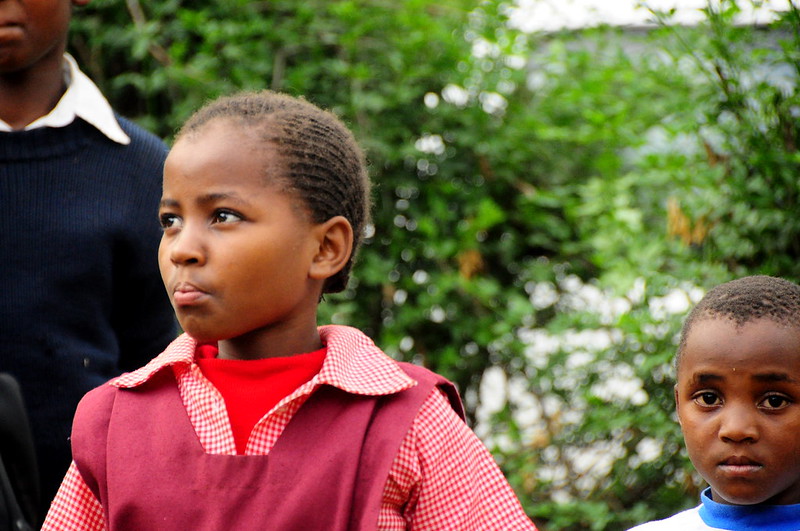 Kenya’s health care system has profoundly suffered as problems like corruption, lack of adequate resources, systemic malpractice, suboptimal policy-making, and Kenya’s ever-increasing poverty rates, amongst other severe issues, pervade Kenya’s fragile health care sector. The current climate crisis has also ignited further issues regarding Kenya’s health care system, as the rate of Neglected Tropical Diseases (NTDs) has drastically increased in recent years. Here are four diseases impacting Kenya.
Malaria
In 2022, Kenya reported around 5 million cases of malaria, with more than 12,000 Kenyans dying as a result of the outbreak. Lack of rainfall and high temperatures have exacerbated the already dire risk of Malaria contamination, as Kenya’s lack of rainfall has created environmental conditions that are highly conducive to Malaria exposure.
Extreme changes in Kenya’s weather patterns have attracted a breed of mosquito, Anopheles Stephensi, which serves as an avid transmitter of malaria. Studies have concluded that the resurgence of the Anopheles Stephensi population in Kenya could potentially expose around 126 million Kenyans to Malaria.
HIV/AIDS
Kenya currently has the seventh largest percentage of people infected with AIDS/HIV globally. Due to the erroneous distribution of health care facilities across Kenya, faulty educational policies and cultural/systemic gender norms, AIDS/HIV reigns as one of the leading causes of death in Kenya. The HIV/AIDS epidemic disproportionately affects women, especially young women (15-24), as women and young girls make up two-thirds of the current percentage of Kenyans living with AIDS/HIV. The current U.S. foreign aid freeze has only exacerbated this issue, as foreign aid has historically accounted for 40% of Kenya’s HIV/AID preventative resource supply.
Cholera
Kenya has historically been a hotspot for frequent Cholera outbreaks and has continued to affect the Kenyan population due to poor sanitation infrastructure and lack of access to clean water. Heavily populated areas like refugee camps, informal settlements, and other highly populated and poorly regulated areas have especially served as hotspots for Cholera contamination.
While efforts like nationwide vaccine distribution, an increase in research towards Cholera prevention/preparedness, and an increase in policy highlighting health care reform in Kenya have helped mitigate outbreaks in recent years, Kenya has had a Cholera outbreak almost every single year since its first outbreak in 1971.
Tuberculosis
In 2016, Tuberculosis was the fourth-leading cause of death in Kenya, and the reported cases of TB contamination have increased sixfold in the last 15 years. The COVID-19 pandemic only exacerbated these rates, as the percentage of Kenyans who contracted Tuberculosis increased from 49% in 2019 to 61% in 2020. While the spike in Tuberculosis rates has since decreased as the turbulence of the pandemic has decreased, the 2020 Tuberculosis outbreak represents the severe fragility of Kenyan’s health care sector, as statistics have repeatedly shown that the slightest economic, political, health care, or societal issue can seriously exacerbate an already extremely vulnerable healthcare system.
The Future
Though many issues continue to fray the fabric of the health care sector in Kenya, there is hope for the welfare of Kenyan citizens. In 2024, President William Ruto implemented the Social Health Insurance Fund, mandating health care coverage for citizens nationwide.
NGOs like UNICEF and the World Health Organization (WHO) continue to implement immunization programs to reduce diseases impacting Kenya. Though much work is still necessary when it comes to health care reform in Kenya, the shift in political attention towards healthcare reform, coupled with the persistence of NGO efforts to supply Kenya with the proper resources to combat disease outbreaks, establish that hope for the improvement of Kenya’s fractured healthcare system remains steadfast.
– Ava Lachini
Ava is based in Los Angeles, CA, USA and focuses on Global Health for The Borgen Project.
Photo: Flickr
