World Bank Group: Digital Identification vs. Poverty
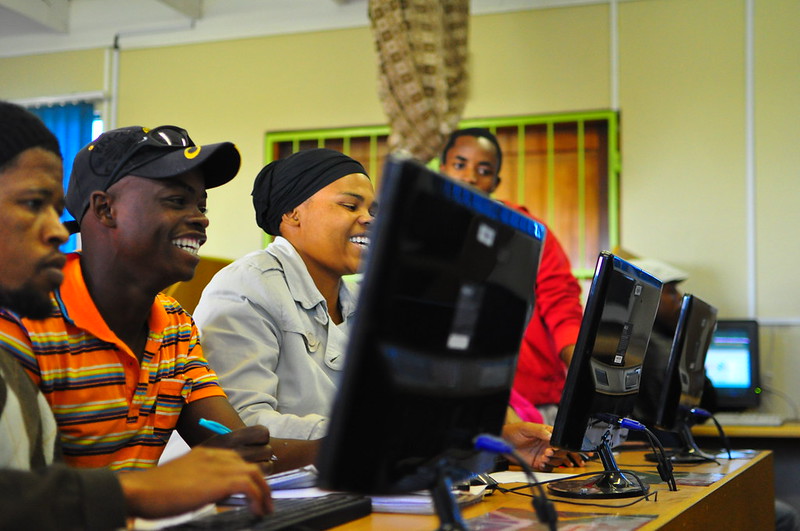
As the world continues to populate and technology becomes more widely available, the need for digital identification has become vital in the fight against global poverty. Currently, the World Bank has calculated that nearly one billion people worldwide do not have any formal identification, half of whom are in Africa. Thus, many people are without access to a range of essential services like banking, healthcare and general education.
In response, the World Bank Group began an initiative in 2014 to directly tackle this issue. The Identification for Development (ID4D) organization comprises experts, investors and technologies working to bring every person into the digital world.
What is Digital Identification?
Simply put, digital identification is a process in which an individual’s identity is confirmed through digital channels. A digital ID can range from a government-issued ID to a PIN to biometric data. Digital identification provides multiple important opportunities, such as opening bank accounts, establishing credentials for jobs and gaining access to education. Though these forms of identification seem common, many people struggle daily to prove their identity through these methods.
To understand the importance of identity management, one must understand the value and advantages it brings. In low-income countries, over 45% of women and 30% of men have no ID at all. In addition to the gender gap, a World Bank Group survey cited that the most impoverished 20% are the most likely to lack an ID. This places a veil over these communities, making them virtually “invisible.” It bars them from the opportunities and services that they most need to break out of the cycle of poverty.
However, digital identification can and is changing this. Identification for Development (ID4D) is doing pivotal work in building digital bridges, keeping transparency and empowering communities.
How ID4D Works
The ID4D initiative works in conjunction with 10 World Bank Group sectors that work toward digital expansion, economic inclusion, social safeguards and more for those in need of these services. The program primarily focuses on educating communities on the need and benefit of digital identification. Additionally, the group works alongside governments to implement effective and inclusive digital identification systems. The process of building up communities takes time and research. ID4D, therefore, performs assessments and creates a dialogue to understand the communities it serves.
Who ID4D Serves
Identification for Development serves the global community. For instance, the World Group Bank has supported the Moroccon government by designing and implementing a digital ID system. This project reformed the Moroccan social safety net system into a secure and functional digital society and economy.
Likewise, in West Africa, ID4D is in the beginning stages of implementing a new national ID system. This system will allow for easier access to mutual recognition and authentication processes throughout the area. A part of this project involves setting legal standards, industry standards and overall help promote and establish reliable ID systems between borders.
The Benefits of Digital Identification
There are numerous benefits to bringing underdeveloped regions into the digital atmosphere. First and foremost being the generation and broadening of new markets and customer indexes. Giving untapped markets the ability to tap into the digital realm financially gives poor communities a way to build savings, establish a digital trail, build credit and pay for what they need in micro-payments. Furthermore, digital identification helps to prevent fraud in various aspects. For example, with the help of digital identification, Nigeria and other countries have successfully used biometric records to reduce federal beneficiaries.
Not only does digital identification help communities at large, but it paves the way for women to provide for their families. Women account for around 70% of the world’s working population but receive only 10% of the income. As a result, women cannot afford to help raise their families out of poverty. Therefore, increasing women’s ability to verify their identities allows them to claim their income without issue, creating a highly effective method to combat global poverty.
– Sallie Blackmon
Photo: Flickr
