5 Things You Need to Know About Diabetes in the Philippines
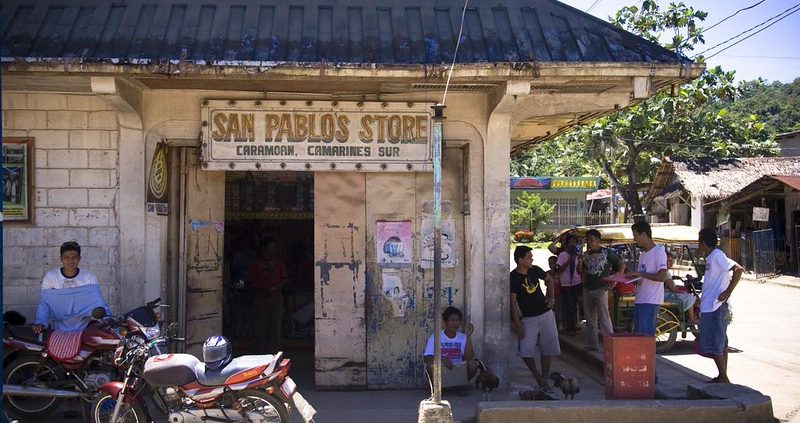 With more people living sedentary lifestyles, having less healthy diets and obesity becoming more prevalent around the world, the threat of diabetes is more apparent than ever. This chronic disease affects millions of people globally, and those in low-income countries are especially vulnerable to its effects. The Philippines, in particular, has seen an increasing number of diabetes cases, with recent estimates reaching almost 5 million Filipino adults. Here are five crucial things to know about diabetes in the Philippines.
What is Diabetes?
Diabetes, or diabetes mellitus, is a chronic illness that affects the body’s ability to produce or effectively use insulin, a hormone that breaks down sugar in the blood so that the body can use it for energy. Without insulin, sugar cannot be broken down, leading to a buildup in the blood. Over time, elevated blood sugar levels can lead to serious and potentially fatal complications such as kidney failure, cardiac arrest, stroke, blindness and limb amputation.
In 2024, approximately 4.7 million adults in the Philippines were reported to have diabetes, increasing from 4.2 million in 2011. Almost 30,000 people have Type 1 diabetes, a third of whom are children. Concern over the prevalence of diabetes in the Philippines continues to grow as the number of adults with diabetes is expected to nearly double by 2050. In 2024 alone, diabetes contributed to the deaths of nearly 44,000 Filipinos, making it one of the top five causes of death in the country.
Culture and Diabetes in the Philippines
Food is an important aspect of Filipino culture, with many social events and celebrations centered around eating. However, certain eating habits common in the Philippines can increase the risk of diabetes. Many popular Filipino foods, such as adobo and lechon, tend to be high in refined carbohydrates, sodium, saturated fats, cholesterol and added sugar. Overconsumption of these types of food can increase the risk of developing diabetes by contributing to obesity, making the body more resistant to insulin and increasing blood sugar levels. Other factors such as a lack of physical activity, smoking, drinking alcohol and barriers to accessing medical care also contribute to the risk of diabetes in the Philippines.
Treatment Access
The ongoing treatment of diabetes and related health complications is expensive. On average, it costs the Philippines about $2 billion annually to address diabetes-related health concerns. With about 15.5%, or 17.5 million people in the Philippines living below the national poverty line, many cannot afford critical medical interventions such as glucose monitors and insulin injections. These financial barriers not only prevent people from treating their diabetes, but they also prevent people from getting diagnosed. In the Philippines, it is estimated that more than half of people with diabetes have not been diagnosed. Without a diagnosis, people living with diabetes cannot begin the process of getting life-saving treatment.
Organizations Helping to Address Diabetes in the Philippines
In response to the growing global concern about diabetes, several health initiatives have been created to provide treatment to those living with diabetes, including people in the Philippines. For example, the World Health Organization’s (WHO) Global Diabetes Compact was launched in 2021 to ensure that people with diabetes are diagnosed, have good control of their blood pressure and blood sugar levels, and receive affordable, quality treatment.
WHO has also collaborated with local community resources in the Philippines to help address diabetes-related issues in a few regions. The Healthy Hearts Programme helps people living with diabetes in the Philippines manage their illness by teaching them and their families about diabetes and providing medical treatment such as insulin and blood pressure monitors. The program has helped people such as 13-year-old Brielle Paulino manage his diabetes. Paulino lives with Type 1 diabetes and, thanks to the Healthy Hearts Programme, he is able to give himself insulin injections and monitor his blood sugar so that he can one day fulfill his dream of becoming a chef.
Looking Ahead
The increasing prevalence of diabetes in the Philippines raises concerns over the health and well-being of millions of people. With more people adopting sedentary lifestyles and unhealthy diets, it is crucial to bring awareness to this disease and how it can not only be treated but also prevented. Thanks to global initiatives, people in low-income countries living with diabetes have a better chance at living long, fulfilling lives.
– Lily Alexander
Lily is based in Surrey, British Columbia, Canada and focuses on Global Health for The Borgen Project.
Photo: Flickr
