What to Know About COVID-19 in South Africa
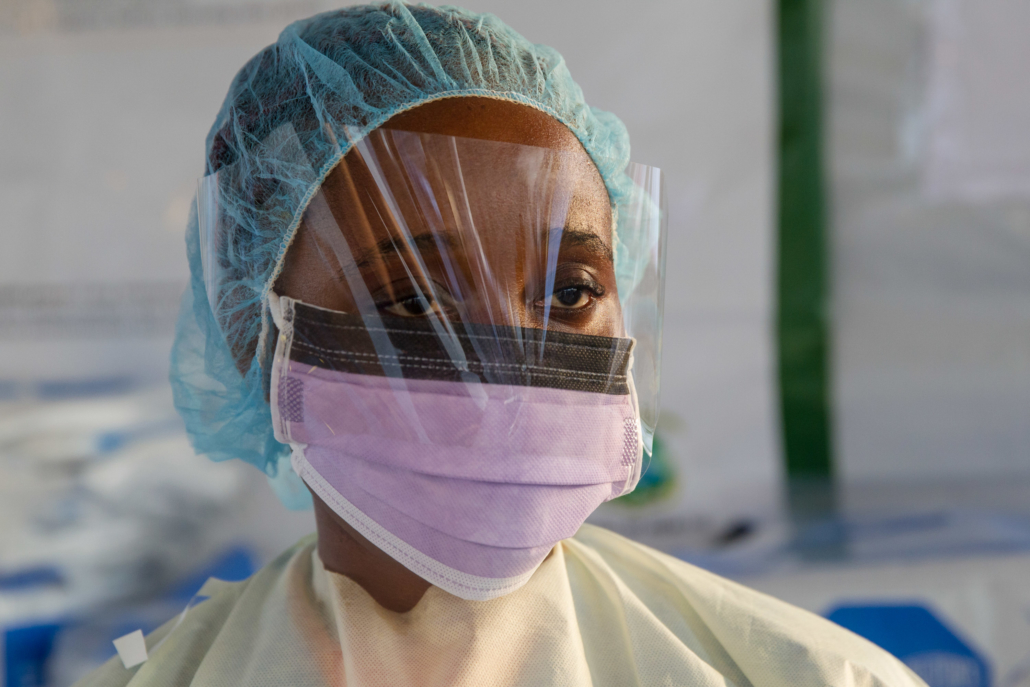
Reports of COVID-19 fill the news and media daily. From increases in cases and closures to decreases in fatality rates and re-openings, the news channels are consumed by COVID-19 headlines. However, one thing not covered much in the media is how African nations are faring during these uncertain times. South Africa is currently leading the African continent in the number of COVID-19 cases, and there is seemingly no end in sight. Here is a look at the specific impact of COVID-19 in South Africa.
Lockdown
COVID-19 in South Africa follows a similar origin path as the rest of the world, where the virus went undetected or misdiagnosed for weeks, maybe months, before its first confirmed positive case appeared. South Africa, like most nations, went into lockdown in late March. The South African government, as of April 27, 2020, planned to gradually loosen restrictions beginning on May 1, 2020.
The level of strictness for lockdowns varies from country to country. South Africa is one of the nations implementing strict restrictions for its lockdown. The country has been on Level 5 restrictions. Level 5 restrictions prohibit citizens from performing the majority of activities, including leisurely ones such as exercise or going to the convenience store. Furthermore, the police may confront anyone who leaves their dwellings.
Numbers
The reported numbers in South Africa are much lower than those reported around the world. This may be the result of strict lockdown enforcement as opposed to some nations with looser lockdown restrictions. As of April 28, 2020, the African country reported 4,996 confirmed coronavirus cases and 93 deaths. South Africa is also experiencing a recovery rate of approximately 25 percent, which is a significant factor in the government’s decision to begin loosening restriction laws.
Despite large numbers of recovering patients, COVID-19 in South Africa has not gone away. The number of cases continues to rise, much like the rest of the world. On March 5, 2020, South Africa diagnosed its first patient with COVID-19. On April 15, 2020, the nation had a total of 2,605 confirmed cases, with 4,996 by the end of April. Although the virus is not going away anytime soon, South Africans are certainly doing their part to reduce the spread of the virus.
Social Distancing
Social distancing is the practice of remaining apart from others to decrease the spread of the virus. South Africa has been on lockdown and enforcing social distancing since late March, about a month after the nation diagnosed its first COVID-19 patient. On May 1, the government loosened the restrictions to Level 4. Level 4 restrictions consist of the ability to travel nationally, but not internationally. A few small local businesses also opened.
Moving Forward
In South Africa and around the world, people are social distancing and quarantining. For COVID-19 to be successfully tackled in South Africa, the nation must continue to prioritize the health of its citizens and financially support those who are struggling with unemployment and poverty. This will hopefully result in a significant drop in the number of cases in the country. Moving forward, South Africa and other nations around the world should use the lessons of the COVID-19 pandemic to prepare for future pandemics and epidemics.
– Cleveland Lewis
Photo: Flickr
