The Role of Home Gardens in Cambodia in Alleviating Food Poverty
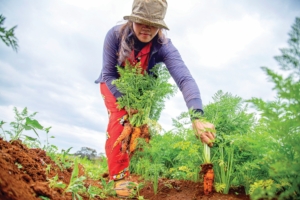 Food poverty is a pressing issue afflicting various regions globally, including Cambodia. In the Pursat Province, Cambodia, more than 22% of the population struggles to earn more than $2.70 daily, pushing them into food poverty. Women bear the brunt of this situation as they resort to strenuous labor or migrate to garment factory jobs to support their families. In this challenging context, home gardens in Cambodia such as the Face-to-Face Victory Garden Campaign are pivotal in combating food poverty.
The Face-to-Face Victory Garden Campaign: A Lifeline for Food Poverty
The Face-to-Face Victory Garden Campaign represents a beacon of hope for Cambodian families grappling with food poverty. This initiative, predominantly led by women, aims to establish home gardens that provide nutritious food for families and contribute to land restoration and sustainable livelihoods.
Empowering Women and Breaking the Cycle of Food Poverty
Over 80% of those participating in the Victory Garden Campaign are women who play a vital role as caregivers for their families. These gardens have become an empowering resource for them, allowing them to stay home, grow their own food and generate income. This shift significantly reduces their vulnerability to food poverty. The added confidence and resilience gained from this initiative better equipped them to break free from the cycle of food poverty.
Before the establishment of these gardens, many of these women traveled long distances to procure food, heightening their risk of food poverty. Now, with Victory Gardens in their own backyards, they can provide food for their families, ultimately improving their overall safety and quality of life.
Improved Nutrition and Reduced Food Poverty
Cambodian diets are heavily centered on rice, resulting in a lack of dietary diversity and a critical deficiency in essential nutrients such as protein, vitamins and minerals, with shortages of iodine, iron and vitamin A. This deficiency crisis is further exacerbated because 15.4% of Cambodia’s population is undernourished.
However, in the ongoing battle against food poverty, gardens stand as a symbol of resilience and a strategic solution to break free from the reliance on rice, diversifying crops and mitigating the risks associated with a single-crop diet. By fostering this diversification, Victory Gardens bolsters nutrition and combats food poverty effectively, as 10,000 people in 2,200 Cambodian rural households will benefit from increased food access and improved nutrition, crucial aspects of the well-being of those susceptible to malnutrition.
Confronting Food Poverty and Climate Challenges
With nearly 80% of the population residing in rural areas, the country’s inadaptability, inadequate infrastructure and limited institutions make it susceptible to climate variability and change. These disasters exacerbate food poverty, making it imperative to support communities in preparing for and responding to these crises.
The Face-to-Face Project believes that breaking the cycle of food poverty hinges on nurturing self-reliance, with food security as the foundational step toward this goal. Through creating high-yield, cost-effective Victory Gardens, Cambodian families can reduce their reliance on a single crop, learn to cultivate enough food for sustenance, increase their income by selling surplus produce and lead healthier lives with reduced food poverty.
A Promising Future in the Fight Against Food Poverty
Organizations like Face-to-Face, in partnership with entities like the Canada Fund for Local Initiatives, which joined forces with Face-to-Face in September 2023, pave the way for a brighter future for Cambodian families grappling with food poverty. As they collaborate to impact the lives of over 3,000 women and girls across 1,000 families, villagers can cultivate up to 25 different vegetables, ensuring sustenance for future generations. The vision of a more self-reliant and food-secure Cambodia has become increasingly achievable.
Final Thoughts on Home Gardens in Cambodia
The Face-to-Face Victory Garden Campaign is a potent tool against food poverty in Cambodia. By empowering women, enhancing nutrition and fostering self-reliance, these gardens make significant strides in the battle against food poverty. With continued support from organizations like the Canada Fund for Local Initiatives, Victory Gardens offers hope for a future where food poverty is no longer a pervasive issue in Cambodian communities.
– Marnie Woodford-Venables
Photo: Unsplash
