Challenging Times for Children in Somalia
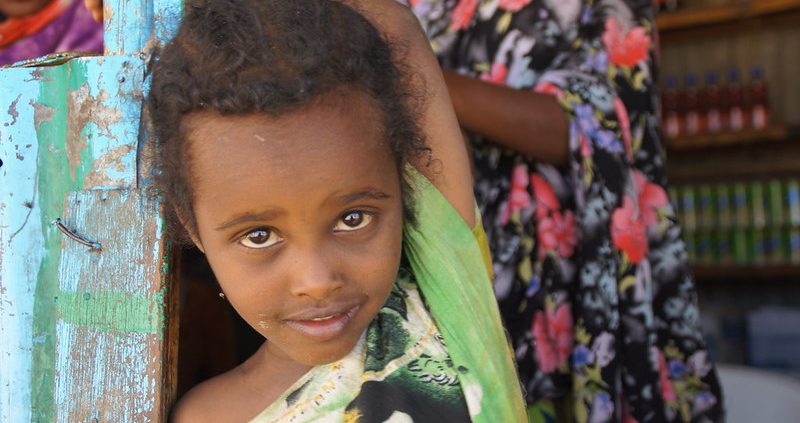 All children face challenges as they grow into the world around them. Making friends, schoolwork and navigating a social life can all be difficult for a young person, but for children born in Somalia, these growing pains carry the devastating weight of extreme poverty and labor. Somalia is among the world’s poorest countries.
Due to widespread poverty, Somali children struggle to remain in education, often opting to work to help provide for their families, leading to a massive child labor problem.
Comparing British and Somali Education
One primary reason Somali children fall into child labor is the poor education system. In a 2024 article for Atlantis Press, Somali residents told interviewers that most schools in the country are private. Often, students have no choice but to drop out as there is no nearby school they can affordably attend.
In the United Kingdom (U.K.), by contrast, state education is free to attend for every resident child, and only around 6% of pupils attend fee-charging private schools.
Even if a Somali child has access to public education, severe poverty means remaining in school is not financially viable for many families. Reliable national figures are scarce, but the United States Agency for International Development (USAID) estimates that nearly 85% of Somali children are not enrolled in school at all. The International Labour Organization (ILO) survey data cited by the United States (U.S.) Department of Labor recorded school attendance as low as 38% among 5- to 14-year-olds in some regions. Those who do work most often turn to agriculture, household labor and street work.
Conversely, in the U.K., the Education Maintenance Allowance — a weekly payment for those aged 16 to 18 from deprived backgrounds who remained in full-time education — helped keep young people in school; by 2011, around 45% of that age group in England were receiving it. England then scrapped the payment and replaced it with a bursary scheme, though it continues in Scotland, Wales and Northern Ireland.
Somalia’s literacy indicators remain among the world’s weakest. Across Sub-Saharan Africa, an estimated 89% of children cannot read and understand a simple text by age 10, and Somalia-specific data are scarcer still.
The Labor Problem
With staggering numbers, it is hard to believe that child labor is illegal in Somalia. The legal age of work in Somalia is 15, similar to the U.K.’s 16. However, the U.S. Department of Labor states that due to “a lack of resources, training, and administrative capacity,” authorities poorly enforce these laws, making it easy for employers to hire underage workers with little consequence. For example, over-12s in Somalia can technically take “light work,” but the legislation does not specify what “light work” actually is. Therefore, if “light work” is subjective, employers can assign over-12s any type of work. Furthermore, employers face no penalties if they break these laws. Despite a child labor investigation team existing within the Somali police force, it has not reported any workplace inspections or violations of child labor laws.
In the U.K., legislation and penalties are much stricter. Violations of child labor laws could result in a £1,000 fine or half a year in prison. Because Somalia lacks enforcement like this, child labor is harder to abolish.
Putting an End to Child Labor
Child labor is an overwhelming problem in Somalia; it denies children a childhood, an education and can also be dangerous in industries like agriculture, which involve heavy machinery. The United Nations Children’s Emergency Fund (UNICEF), a large nonprofit organization, aims to help end child labor. UNICEF is advocating for:
- Stricter child labor laws
- Creating advanced social care for children
- Providing vital education access
Established in 1946, UNICEF is a long-standing charity that aims to uphold the rights of children everywhere under the U.N. Convention on the Rights of the Child.
This includes the right to education and play, which many Somali children tragically miss from their lives. UNICEF works to bridge the gap between different countries so that British and Somali children alike can go to school, feel safe and enjoy their childhood.
In 2026, UNICEF appealed for $121 million to meet the urgent needs of children and families in Somalia; by March, it had received less than $20 million of that total.
– Lisa Jane Bryant
Lisa is based in Glasgow, Scotland and focuses on Politics for The Borgen Project.
Photo: Flickr
