Child Marriage in Sudan: A Continuing Crisis
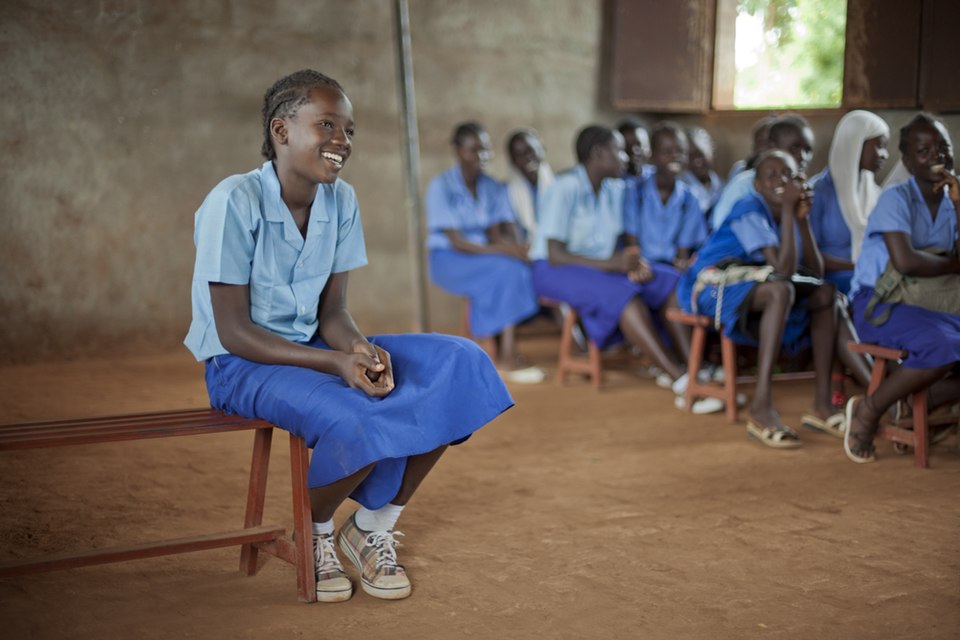 Child marriage in Sudan continues to be a widespread human-rights violation, bearing critical economic, social and health implications. The practice, predominantly affecting girls, remains intact due to factors such as cultural norms, poverty, lack of education and gender inequality. Despite ongoing efforts, child marriage in Sudan continues to endanger the well-being of women and girls across the country.
The Statistics
According to UNICEF’s 2022 Child Marriage Factsheet, 650 million women and girls across the world marry before the age of 18. Out of that large quantity, 40 million child-brides are from the Middle East and North Africa, with one of the highest concentrations being in Sudan. Nationally, an estimated 34% of women marry before the age of 18, and 12% before the age of 15. In East Darfur, the statistics are even higher, 57% of women aged 20-39 married before their 18th birthday.
Factors Contributing to Child Marriage in Sudan
- Economic Pressures & Cultural Norms: Poverty significantly increases the risk of child marriage in Sudan, with 54% of girls in the poorest households married before 18, compared to 19% in the wealthiest. Families may receive a mahr, or payment of money and gifts from the groom, creating a financial motive for child marriage. Cultural norms also contribute to child marriage. Many communities prioritize female chastity and view puberty as an ideal time for marriage, as younger girls are believed to be better suited for childbearing and marital roles. Additionally, a 2016 UNICEF study found that girls who had undergone female genital mutilation (FGM) were more likely to be married early.
- The COVID-19 Pandemic: The economic crisis that the pandemic brought on led to an increase in child marriage in Sudan. School closures increased the risk of child marriage by 22% per year, and the economic shocks raised the likelihood of marriage by 3% in regions where people pay bride payments. The death of a parent, furthermore, led to orphaned girls ending up in marriages because of the financial trouble. Moreover, the disruption in prevention programs virtually paused child marriage reduction efforts, a blow that activists are still building their way back from.
A Way Forward: Government and NGO Responses
- Legal and Policy Measures: Sudan has introduced two major policy frameworks, supported by UNICEF: the Child Marriage Action Plan (2021-2030) and the Child Marriage National Communications Strategy. The Action Plan is working towards reducing child marriage through education, legal reforms, community outreach and protection services. The Communications Strategy complements this initiative by supporting public messaging campaigns that challenge harmful gender norms and promote girls’ rights. Furthermore, the First Lady of Sudan launched the First Lady Campaign to End Child Marriage, which specifically focuses on the right to education for young girls.
- Community Engagement: UNICEF-supported girls’ clubs in 10 Sudanese states foster spaces where mothers, teachers and students can discuss early marriage and promote awareness. These programs, which began in 2014, aim to provide mentorship, health education and advocacy training. Although the programs were disrupted during the pandemic, they have resumed activities and remain an imperative component of the prevention strategy. In high-prevalence areas, furthermore, religious and community leaders are receiving training to advocate against child marriage and support legislative reform efforts.
- Education-Based Prevention: Education initiatives are crucial in reducing child marriage in Sudan. The Loreto School for Girls, which the Sudan Relief Fund partner Orla Treacy runs, currently enrolls more than 1,000 girls, many of whom continue to higher education. Furthermore, educational institutions are actively engaged in preventing coercion into early marriage through school-based protections and counseling.
Looking Ahead
While Sudan has established legal frameworks and education-based programs, regional disparities, cultural norms and economic pressures continue to challenge prevention efforts. Coordinated national and local interventions remain central to reducing the prevalence of child marriage across Sudan, and overall, an attempt to reshape the culture that places the value of girls with their ability to reproduce.
– Anna Chiaradonna
Anna is based in Philadelphia, PA, USA and focuses on Good News and Politics for The Borgen Project.
Photo: Flickr
