• Link to X
  • Link to Facebook
  • Link to Instagram
  • Link to TikTok
  • Link to Youtube
  • About
    • About Us
      • President
      • Board of Directors
      • Board of Advisors
      • Financials
      • Our Methodology
      • Success Tracker
      • Contact
  • Act Now
    • 30 Ways to Help
      • Email Congress
      • Call Congress
      • Volunteer
      • Courses & Certificates
      • Be a Donor
    • Internships
      • In-Office Internships
      • Remote Internships
    • Legislation
      • Politics 101
  • The Blog
  • The Podcast
  • Magazine
  • Donate
  • Click to open the search input field Click to open the search input field Search
  • Menu Menu

Archive for category: Global Poverty

Key articles and information on global poverty.

Global Poverty

Renewable Energy in Mozambique Helps Fight Poverty

Renewable Energy in Mozambique
The Southern African country of Mozambique holds great potential for renewable energy. “At 187 gigawatts, Mozambique has the largest power generation potential in Southern Africa from untapped coal, hydro, gas, wind and solar resources,” USAID notes. Mozambique is already equipped with an impressive existing hydro infrastructure, the Cahora Bassa hydro dam being the most notable. Despite this great potential, however, only 34% of Mozambique’s population has access to reliable electricity. Furthermore, in 2022, 60% of the nation’s people live in conditions of poverty.

Renewable Energy in Mozambique Brings Benefits

Recent research undertaken by The Rockefeller Foundation found that investing in renewable energy could create 25 million direct jobs in the energy sector across Asia and Africa by 2030. Furthermore, the improvements that reliable energy access would provide through renewable energy could create close to 500 million new jobs in sectors such as health care, education, agriculture and entrepreneurship. A quarter of these jobs would form in sub-Saharan Africa.

Indeed, with Mozambique’s established wealth of natural green energy sources, the nation would likely be one of the major beneficiaries of these new jobs, which would help to alleviate poverty. The transition to renewable energy holds the benefit of job creation, a positive benefit for a country with an unemployment rate of 3.9% in 2021. With a GDP per capita of approximately $491, in 2021, Mozamibique’s economy could benefit from an increasingly productive workforce.

Instances of investing in renewable energy in Mozambique have already created jobs, with the construction of the Mocuba solar plant employing more than 1,050 Mozambicans at peak construction and now producing 79 GWh per year. For context, that is the “equivalent of the electricity consumption of more than 170,000 households in Mozambique,” according to the Norwegian Investment Fund for Developing Countries. The Mocuba solar plant opened as recently as August 2019. Solar power already helps to power 700 schools and 800 other public buildings in Mozambique.

Mozambique is already a net exporter of energy in the Southern African region. This is mostly due to its developed hydro infrastructure. With large solar projects underway, the value of these established trade relationships could significantly increase. Via an effective distribution and transmission network, Mozambique would also be able to export energy to new customers. This would bring significant GDP growth which, if distributed effectively, could benefit the population at large.

Mozambique’s Power Company Sets Targets

Electricidade de Mocambique (EDM), Mozambique’s state-owned energy company, has put in place a policy to increase installed energy capacity to more than 6,000 MW by 2030 and aims for 20% integration of renewable energy in the country’s power grid. EDM believes that this policy will attract more private investment to Mozambique’s energy sector and ensure the development of a sustainable workforce. Indeed, as the world aligns with net-zero targets and the topic of going green remains prominent, these jobs are likely to remain relevant in the future.

Accelerating Renewable Energy in Mozambique

In January 2023, power development company Ncondezi Energy signed a land agreement with the Government of Mozambique for a 300 MW hybrid solar project, which will help contribute to the government’s goal of achieving universal access to electricity by 2030. Additionally, in 2021, the European Development Fund committed €15 million to the development of renewable energy in Mozambique by investing in entrepreneurs and companies. This will help to reduce the concentration of energy poverty in rural areas.

Looking Ahead

Investment in renewable energy has seen great success in several countries, such as China. It has created jobs, increased reliable access to energy and raised GDP, ultimately reducing poverty. Through similar initiatives, this process can be emulated in Mozambique. By investing in renewable energy to help a country with an abundance of natural green energy sources, more people in Mozambique may see a future free from poverty.

– Saul Gunn
Photo: Flickr

May 31, 2023
https://borgenproject.org/wp-content/uploads/borgen-project-logo.svg 0 0 Jennifer Philipp https://borgenproject.org/wp-content/uploads/borgen-project-logo.svg Jennifer Philipp2023-05-31 01:30:332023-05-31 07:38:21Renewable Energy in Mozambique Helps Fight Poverty
Global Poverty

5 Ethical Chocolate Brands Fighting Against Child Exploitation

Ethical Chocolate BrandsThe chocolate industry is a lucrative trade, with multi-billion dollar chocolate brands producing some of the most well-known sweet treats on the planet. Yet behind the façade, these companies hide a despairing reality, continually reluctant to protect vulnerable children in cocoa-growing communities.
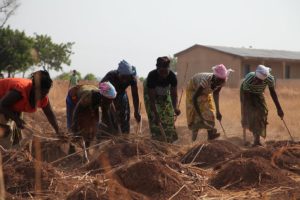
Child labor can be witnessed on many cocoa farms across Africa, but it is most prevalent in Ghana and Cotê d’Ivoire, the two largest exporters of cocoa beans. Currently, in these locations, more than 1.5 million children miss school and work in the cocoa industry. Exposed to dire working conditions, toxic chemicals and inhumane punishments, many child laborers work up to 100 hours each week. The most common reason for hiring child workers is that cocoa farm owners do not earn a profit that would sustain adult salaries. In Ghana, farmers make roughly one dollar a day, and in Cotê d’Ivoire, this figure is worryingly worse. Given both countries’ large contributions to the global chocolate trade, they only earn about 6% of the total profits in the multi-billion dollar industry.

While the chocolate industry has been known for perpetuating a vicious cycle of child exploitation as greed fuels the low prices of cocoa beans, a growing number of ethical chocolate brands are dedicated to eradicating child labor and improving wages for farmers.

5 Ethical Chocolate Brands Fighting Against Child Exploitation

  1. Tony’s Chocolonely (Netherlands) – Tony’s Chocolonely is a Dutch confectionary brand launched by journalists shocked at how rife child labor was within the industry. Creating a chocolate company that is 100% humane was the goal. Its cocoa beans are easily traceable, as the company only works with two distinct partners. Necessary pay increases are offered to farmers, adding Tony’s Chocolonely premium, which is almost $350 for Ghanaian farmers, in addition to the Fairtrade premium. The company also emphasizes the need for teamwork in its mission, asking consumers to sign petitions and encourage their governments to introduce stronger laws that demand more transparency in the industry.
  2. Lucocoa (U.K.)  – Founded in London in 2015 by the human rights activist Amarachi Clarke, Lucocoa has the goal of promoting ethical chocolate. On its company blog, it frequently highlights outrage about child labor in the industry, emphasizing that the trade is still in need of a “chocolate revolution.” The company is also part of the Ethical Chocolate Register, which comprises the most ethical and sustainable chocolate brands worldwide.
  3. Tosier (U.K.) – Tosier is a family-run chocolatier based in Suffolk that wishes to make the industry as transparent as possible. It proposes that Fairtrade is not good enough anymore, as it does not actively enforce child-labor-free cocoa, suggesting businesses should strive to be part of the Direct Trade. Companies practicing this buy directly from the source and initiate strong relationships with farmers, providing them with a more substantial wage than big corporations otherwise would. The brand proudly emphasizes on its website, “Small maker. Big values.”
  4. Beyond Good (USA) – Beyond Good is a U.S. company that both sources its cocoa and makes its chocolate in Madagascar, providing a range of skilled jobs in its factory to 105 local people. By manufacturing chocolate at its source, Beyond Good can work alongside its farmers, provide safe practices and offer stable incomes. Working with the Bristol Zoological Society, this company is able to protect endangered lemurs that inhabit the trees within its 375 hectares of land. Its unique business model benefits humans and animals alike.
  5. Shahamana Farms and Chocolate (Ghana) – A former child laborer in the chocolate industry, Hon. Nelson Donkor did not attend school for many years, instead working long hours on a cocoa farm in Ghana. His first-hand experiences prompted his desire to create a chocolate brand that was fair and free from corruption. Now the owner of his own chocolate farm, he urges consumers to buy chocolate from companies directly in touch with farmers and emphasizes the necessity for employees to receive living wages. He says, “With fair prices, child slavery will be a thing of the past.”

Long gone are the days when consumers could use ignorance as an excuse for funding unethical corporate giants that utilize child labor. When consumers pack pressure onto chocolate brands, they can enforce change. Investing in ethical chocolate is an investment in a child’s future.

– Yasmin Hailes
Photo: Flickr

May 31, 2023
https://borgenproject.org/wp-content/uploads/borgen-project-logo.svg 0 0 Jennifer Philipp https://borgenproject.org/wp-content/uploads/borgen-project-logo.svg Jennifer Philipp2023-05-31 01:30:302026-04-16 10:21:015 Ethical Chocolate Brands Fighting Against Child Exploitation
Global Poverty

5 Ethical Farming Campaigns Everyone Should Know

Ethical Farming CampaignsThe Fairtrade label is a mark of ethically sourced products. Established in 1992, Fairtrade International works with more than 1.7 million farmers and laborers across more than 73 countries to help them secure fair prices for their crops, among other endeavors. Several Fairtrade campaigns aim to uphold the rights of farmers in developing countries.

5 Ethical Farming Campaigns

  1. The Living Incomes Campaign. Fairtrade certification on cocoa products does not guarantee farmers a living income, especially when the global price of cocoa falls, as it frequently does. A Fairtrade report from 2019, “Craving a Change in Chocolate,” found that the average income for cocoa farmers in Ghana stood at around a dollar a day, which is less than 50% of a living income, defined as enough to cover both farming costs and living essentials for a household. The U.K. Fairtrade Foundation launched the Living Incomes Campaign in 2019 to address the issue. The public campaign called on the government and chocolate industry to secure a living wage for the millions of families worldwide whose livelihoods depend on cocoa production. In addition to the usual income for their products and labor, farming co-operatives partnering with Fairtrade International receive a Fairtrade premium, “an extra sum of money paid on top of the selling price that farmers or workers invest in projects of their choice,” according to Fairtrade International. Over the last five years, Fairtrade cocoa farming co-operatives have received more than £107 million (about $133 million) worth of Fairtrade premiums to put toward projects to improve their businesses and local communities.
  2. Fairtrade Flowers. Many of the flowers sold by major florists come from farms in Latin America and East Africa where employees, mostly women, often work in hazardous conditions and endure exploitation, discrimination and even sexual abuse. On Fairtrade flower farms, however, employees work in good working conditions with a “Fairtrade floor wage,” meaning wages must be higher than the international poverty line, even if that wage is higher than the local minimum. Workers are also empowered to decide how their farms’ Fairtrade premium is invested. By consciously choosing to purchase Fairtrade flowers, one can ensure employees in the flower industry have safer working environments, fair working terms and job security.
  3. Fairtrade Campaigns to Address Impacts of Extreme Weather Patterns. Farmers in developing countries across the world are experiencing recurrent extreme weather events, which impact income and food security. The Great Big Green Week in the U.K. is a gathering of supporters to show solidarity with farmers who are taking action to reduce the impacts of extreme weather patterns and establish climate resilience. This Fairtrade movement of supporters also calls on the U.K. government to provide funding to support these efforts of farmers and take greater action to address the issue of extreme weather events. This year’s Great Big Green Week will take place between June 10 to June 18, 2023 and involves several initiatives and efforts to take action and raise awareness. One can also get involved by signing a Community Declaration to call on the government to take action.
  4. Fairtrade Fortnight. The annual Fairtrade Fortnight, a two-week celebration of Fairtrade’s work, took place in the U.K. from February 27 to March 12, 2023. To mark the event, Fairtrade commissioned sustainability consultancy 3Keel to research the threats posed by extreme weather patterns to some of the U.K.’s best-loved food products, such as bananas, coffee and cocoa, sourced from developing countries. On February 28, 2023, the U.K. Fairtrade Foundation opened an “immersive retail space” called the Endangered Aisle on Shoreditch High Street, London. The pop-up event aimed to convey the need to protect the U.K.’s favorite foods and highlight the tangible actions that consumers can take to help out. Fairtrade also held seven online Big Fairtrade Get Togethers. Free of charge, these “Get Togethers” offered supporters the chance to hear experts and Fairtrade farmers discuss how to ensure a sustainable future for the U.K.’s favorite international foods.
  5. Fairtrade Communities. Over the course of the Fairtrade Fortnight, local Fairtrade communities organized more than 600 events across the U.K. Recognized since 2003, Fairtrade Community Groups consist of local people who care about improving the lives of low-income producers. Through local activism, these groups aim to encourage the sale of Fairtrade products, advocate for the Fairtrade cause with local politicians and spread awareness in schools, businesses and places of worship. The U.K.’s Fairtrade Foundation announced that this spring it will introduce a new online campaigning platform to facilitate Fairtrade campaigns and make it easier for new members to join the local Fairtrade community.

Looking Ahead

So many of the world’s favorite commodities depend on the work of farmers and employees in developing countries. By supporting ethical farming campaigns, one can ensure fair pay and decent working conditions for these workers and contribute to the establishment of a more sustainable global system of farming.

– Samuel Chambers
Photo: Flickr

May 31, 2023
https://borgenproject.org/wp-content/uploads/borgen-project-logo.svg 0 0 Jennifer Philipp https://borgenproject.org/wp-content/uploads/borgen-project-logo.svg Jennifer Philipp2023-05-31 01:30:152026-04-16 10:21:015 Ethical Farming Campaigns Everyone Should Know
Food Insecurity, Global Poverty

Biotechnology Can Alleviate Food Insecurity 

Biotechnology Can Alleviate Food Insecurity According to the World Food Program (WFP), more than 345 million people worldwide face acute food insecurity. While the causes of food insecurity are man, the current biggest contributors include an unstable supply chain and extreme weather and sanctions imposed because of the Russia-Ukraine War. This food crisis is a significant issue, but new research suggests that biotechnology can alleviate food insecurity through industrial biofertilizers and fermentation.

Biofertilizer

Russia’s war on Ukraine has disrupted not only food security but the supply of industry-standard chemical fertilizers. In the face of delays and high costs, underprivileged farmers are going without or substituting with cheaper, less-effective fertilizers. Smaller harvests in the upcoming seasons could decrease food production.

While using chemical fertilizer may be the standard practice, its excessive use has downsides. According to a 2022 article by Current Research in Microbial Sciences, these fertilizers can contain pollutants that harm soil quality. Living or latent plant microbes in biofertilizers, on the other hand, can naturally improve plant growth, improve soil fertility, enhance nutrient absorption and increase crop yield. That is because these microorganisms, like fungi, can be beneficial bacteria.

A research team at the University of Córdoba in Spain recently confirmed that a specific strain of fungus stimulated cucumber plants’ response to iron deficiency. This resulted in an increase in and overall growth of the plants in iron-deficient soil. Additionally, countries such as the Philippines will soon offer biofertilizers to local farmers to decrease dependence on the importation of chemical or non-organic fertilizers.

While biofertilizers are not at the stage to replace chemical fertilizers completely, mixing in and substituting with chemical fertilizers is possible, depending on the specific needs. Based on estimates, the value of the biofertilizer market could grow to $3.9 billion in 2025. However, there is a need for further promotion and development to facilitate the distribution of affordable biofertilizers on a large scale for this biotechnology to alleviate food insecurity.

Fermentation

The world population is expected to grow an additional 2 billion by 2050 and meat consumption will likely increase by more than 70%. Lab-grown protein or protein made from precision fermentation could help meet this new demand and feed millions. Precision fermentation, a bio-process for producing protein, uses only a fraction of the land required by the most efficient agricultural means to produce protein. The interest in this new, adaptable process to create alternative proteins is evident in the 136 companies (up 12%) in 2022 that invested in fermentation.

Start-ups such as Solar Food make novel protein powders with a 65-70% protein makeup using this method. The process involves fermenting a microbe in a bioreactor by feeding it nutrients in the air. A thicker substance forms and is later dried and turned into a powder. Solar Food, based in Finland, claims its sustainable process is 20% more efficient than photosynthesis. With one hundred times more efficient in converting energy to calories (compared to animals), it can be an endless food supply. Production will begin in 2024, with every step of the process said to be scalable.

The First Hybrid Center

The first-ever “hybrid meat innovation” center will open in Singapore later in 2023, offering a mix of animal cells, plant-based meat and fermented microbes. Meanwhile, the National University of Singapore achieved high-precision 3-D printing of edible, cell-based meat using plant proteins commonly found in barley, corn and rye flour. This process lowers production costs and is more sustainable than prior versions that used synthetic polymers. Additionally, India, home to the world’s largest cow population, will have the first government initiative to produce lab-grown meat, with the government designating more than $160 billion to the program. Sourcing meat from cow cells rather than animals will likely reduce land use for beef production by up to 95%.

The Future of Biotechnology

As ideal as biotechnology endeavors sound, there is still room for much work with respect to alleviating food insecurity. Some hurdles to overcome include decreasing production costs, ensuring the use of renewable energy and educating farmers. And incentivizing farmers to use biofertilizers and guaranteeing alternative proteins are available to vulnerable populations could be a vital step. If seen not as a novelty trend but as a versatile resource, biotechnology has the potential to eradicate food insecurity in affected areas.

– Clare Calzada
Photo: Flickr

May 31, 2023
https://borgenproject.org/wp-content/uploads/borgen-project-logo.svg 0 0 Jennifer Philipp https://borgenproject.org/wp-content/uploads/borgen-project-logo.svg Jennifer Philipp2023-05-31 00:43:052026-04-16 10:21:01Biotechnology Can Alleviate Food Insecurity 
Global Poverty

Laos Tourism Industry on the Up

Laos tourismLaos is a landlocked country in Southeast Asia that borders Cambodia, Thailand, Myanmar and China. With a population of around 7.8 million people, the country of Laos relies heavily on agriculture, foreign aid and investments to keep its economy afloat. At one point, three-fourths of Laos’s population was employed in agriculture, with particular engagement in rice farming. Because the forest covers two-fifths of the country’s land, farming and agriculture are an integral part of the culture of Laos.

As of 2023, much of the population lives in poverty. In 2013, more than 80% of the population was making under $2.5 dollars per day. Laos, however, is a beautiful country. The landscape features rivers, waterfalls and beautiful architectural sites. The country has become a popular tourist destination due to its natural beauty. Laos has several spas and resorts that operate to encourage tourists to visit and experience comfort and luxury.

COVID-19 Affects Tourism

The COVID-19 pandemic affected many industries, especially tourism. Tourism accounts for 10% of the global gross domestic product and more than 320 million jobs worldwide. As countries went on lockdown, jobs that relied on tourism became severely impacted. More than 100 million jobs were impacted because of the pandemic. Nearly three years since the beginning of the pandemic, many tourism-dependent countries continue to struggle.

The tourism sector in Laos has been profoundly affected by the COVID-19 pandemic, resulting in a substantial decline in international tourist arrivals. As reported by the Asian Development Bank (ADB), the outbreak has led to a staggering 74% reduction in the number of visitors. Consequently, businesses operating within this industry have experienced significant disruption, with a detrimental impact on their overall revenue, estimated to range between 70% and 80%. To address these challenges and foster recovery, the Lao PDR Tourism COVID-19 Recovery Roadmap for the period of 2021 to 2025 has been developed. This strategic plan aims to cultivate a tourism industry that is both resilient and sustainable, capable of withstanding future shocks.

Laos Tourism

Laos’s natural beauty is a spectacle that many people feel inclined to experience. With the reopening of previously locked-down countries, Laos has seen a reemergence of tourists entering the country. The country has opened its borders back up to tourists and is beginning to reap the benefits once again. China has officially allowed its residents to travel again, and because Laos borders China, a lot of its tourism comes from its neighbors to the north. On March 4, Laos set its largest Laos-China highspeed railway record in a single day, with 10,000 passengers entering the country.

In 2019, Chinese tourists accounted for a quarter of the country’s 4.7 million visitors. Laos is now expecting to see more than 1.4 million visitors from foreign countries and generate around $340 million in 2023. Tourism also contributes to job creation in Laos. In 2018, there were more than 114,000 tourism-related jobs created for the local people of Laos.

Looking Ahead

Now that many of the lockdowns have been lifted across Southeast Asia, Laos’s tourism sector looks promising once again. With the continuous influx of Chinese tourists and hopefully more from all around the globe, Laos is looking to restore a vital part of its economy. There is hope that the country can continue to benefit from tourism as it did pre-pandemic.

– Olivia MacGregor
Photo: Flickr

May 30, 2023
https://borgenproject.org/wp-content/uploads/borgen-project-logo.svg 0 0 Kim Thelwell https://borgenproject.org/wp-content/uploads/borgen-project-logo.svg Kim Thelwell2023-05-30 07:30:572023-05-26 14:03:20Laos Tourism Industry on the Up
Global Poverty

A Closer Look at Tuberculosis in Brazil

Tuberculosis in BrazilTuberculosis (TB) is a contagious bacterial illness, which primarily affects the lungs. The most common form of TB is the pulmonary form and the health outcomes for infected people are subject to social factors including poverty, poor access to health care and widespread stigma. The following is a look into the prevalence of TB in Brazil and ongoing efforts to fight the disease.

Key Facts

The World Health Organization (WHO) has recognized tuberculosis as a global epidemic for 30 years. Brazil sits at 20th in the world in terms of the number of recorded cases year on year. It is one of 22 countries where the burden of the disease is high based on considerations. As of 2020, the incidence of TB in Brazil was 45 in every 100,000. People with TB in the country often struggle to afford treatment. The care barriers that arise from economic deprivation negatively affect health outcomes for those who have been diagnosed. Also, people with TB cannot access treatment and care and the transmission rates are increasing.

A survey conducted from 2019 to 2021 by the National TB Programme of Brazil alongside the University of Espirito Santo and the Global TB Programme revealed that 48% of TB-impacted households in Brazil had been forced to spend over 20% of their annual income on treatment. The average cost from the onset of symptoms to the conclusion of treatment came to $1573. Certain demographics are also more vulnerable to TB in Brazil. Homeless Brazilians are 56% more likely to contract the disease and those who are in prison have an increased risk of 26%. Furthermore, Brazilians living with HIV/AIDS are 21% more likely to contract TB. As of 2020, 11% of all TB patients with known HIV status were HIV-positive.

Solutions and Progress

As of 2019, the treatment success rate for TB in Brazil was 69%. In 2017, the country made a commitment to eliminate the disease by reducing transmission by 90% and deaths by 95%. Early in 2023, the Brazilian government launched the Inter-ministerial Committee for the Elimination of Tuberculosis and Other Socially Determined Diseases in an effort to meet the aforementioned goals by the end of the decade. The committee will involve collaboration between departments across Brazil’s government. It aims to address the core drivers of the country’s high TB burden, such as poverty, malnutrition and financial insecurity.

Looking Ahead

Although TB treatment is free due to interventions by Brazil’s public health sector, many Brazilians who suffer from the disease also face financial challenges when trying to access high-cost treatment and care. This is especially true for those living in poverty, as they are more likely to go down with the illness. The wide-ranging effects of a TB diagnosis from health, financial and employment difficulties suggest that there is a need for a multisectoral response in efforts to address the crisis. On the bright side, Brazil continues to work toward meeting its target of eliminating the disease by 2030.

– Martha Probert
Photo: Flickr

May 30, 2023
https://borgenproject.org/wp-content/uploads/borgen-project-logo.svg 0 0 Jennifer Philipp https://borgenproject.org/wp-content/uploads/borgen-project-logo.svg Jennifer Philipp2023-05-30 07:30:552023-05-26 08:04:58A Closer Look at Tuberculosis in Brazil
Global Poverty

The Benefits of Drip Irrigation in Developing Countries

Drip Irrigation in Developing CountriesDrip irrigation is the process of dripping water onto soils at very low rates, normally through the use of thin plastic pipes with emitter fittings that serve to control the discharge of water. Drip irrigation in developing countries reduces poverty through its many advantages that include disease prevention by reducing water contact on leaves, reducing weed growth, efficiency, saving time, preventing the wastage of water, increasing crop yield and more.

On a global scale, only 5% of countries are currently implementing drip irrigation. According to estimates, the drip irrigation market is worth around $4.6 billion and forecasts suggest an increase to $9.4 billion by 2027. Countries like South Africa and Israel effectively use drip irrigation and many other developing countries have started to apply this irrigation technique. 

Israel’s Success With Drip Irrigation

The implementation of drip irrigation in Israel has mitigated the impacts of drought and climate change on agricultural production. This process boasts an efficiency rate of 95%-100%, surpassing other methods such as sprinkling by 15%. Drip irrigation plays a crucial role in reducing poverty in Israel. Innovation Africa, a nonprofit organization based in Israel, is dedicated to bringing water, solar energy and agricultural innovations to villages across Africa. Through the use of drip irrigation, a common technique employed by the organization, crop yields are increased, leading to a higher production of food and addressing issues of food scarcity. Innovation Africa has supported 3 million residents through 500 projects in 10 countries.

Developing Nations Implementing Drip Irrigation

  1. Morocco: Ranked among the top 25 most water-stressed nations, the Moroccan government has implemented drip irrigation to effectively manage the country’s limited water resources. The World Bank initiated projects like PNEEI and PMV to enhance agricultural productivity and support farmers by improving their access to technology and finance. The outcomes achieved between 2010 and 2017 were remarkable. Around 6,811 male and female farmers benefited from adopting more efficient irrigation methods, covering an area of 22,062 hectares. Additionally, 2,305 farmers implemented dip irrigation techniques. In Tadla, the volume of abstracted groundwater decreased by 43%. And in Doukkala, farms smaller than five hectares experienced a remarkable 142% increase in agricultural production. Farms ranging from five to 10 hectares saw a 67% increase, while those exceeding 10 hectares recorded an outstanding 312% increase.
  2. Ethiopia: In Ethiopia, women-headed homes are more susceptible to poor agricultural production resulting from inadequate access to water. A study based on closing this gap took place in the Kilte-Awlaelo District, covering 205 respondents. It recorded changes in household income and improvements after the introduction of small-scale irrigation. Remarkably, the results revealed that livestock income increased by 24.3% and crop production income increased by 68.8% in woman-headed households. Consequently, this enabled women to achieve financial independence, make profits and access employment opportunities that were previously not available to them.  
  3. Pakistan: On Nov. 30, 2017, the World Bank approved an additional $130 million on top of its original $250 million investment/loan to support farmers in the Punjab province of Pakistan. The project contributed to increased agricultural production, employment, pay and better living standards. Additionally, drip irrigation systems were installed on 26,000 acres and 120,000 acres with ponds to allow better rainwater harvesting and filtration systems.

Looking Ahead

Drip irrigation holds immense potential to alleviate poverty and improve agricultural productivity in developing countries. The success of countries like Israel, Morocco, Ethiopia and Pakistan in implementing drip irrigation showcases its transformative impact on water conservation, crop yield and livelihoods. As more countries recognize the benefits of this efficient irrigation technique, there is an opportunity to further alleviate poverty, increase food production and promote sustainable agricultural practices worldwide.

– Joshua Rogers
Photo: Flickr

May 30, 2023
https://borgenproject.org/wp-content/uploads/borgen-project-logo.svg 0 0 Jennifer Philipp https://borgenproject.org/wp-content/uploads/borgen-project-logo.svg Jennifer Philipp2023-05-30 01:30:242023-05-26 06:57:54The Benefits of Drip Irrigation in Developing Countries
Global Poverty

The World Bank Efforts Toward Universal Digital Inclusion

Universal Digital InclusionThe Internet is an essential part of everyday life in the 21st century. From buying clothes to being interviewed for a job, countless traditionally face-to-face interactions have moved online, a process accelerated by the era of COVID-19 restrictions. The World Bank, a financial institution that provides transformative loans and grants to low and middle-income economies, terms this trend a “Global Digital Development revolution”. This revolution is far from complete as 2.7 billion of the world’s population live in digital darkness with no access to the Internet. Without digital connectivity, billions are excluded from possible educational, professional and social opportunities, while SMEs suffer a competitive disadvantage. As the World Bank develops its technology solutions, it retains internet access and connectivity as a priority. Here’s what the institution is doing to address the world’s digital divide and bring about universal digital inclusion:

The Digital Development Global Practice

The mission of the World Bank is to help the governments of poorer nations bring their citizens out of poverty. The World Bank’s Digital Development Global Practice was set up to provide governments with finance and knowledge to help improve citizens’ access to digital technologies, enabling them to participate in the digital economy.

In 2021, the World Bank established the Korea Digital Development Program (KoDi) to help developing economies accelerate their digital transformation. The program utilizes Korean technology and best practices to develop a technical knowledge base for the future. This knowledge base will provide nation-specific guides on how to make vital improvements to cybersecurity infrastructure and case studies on data-based economies and ‘greening’ the technology sector.

Strengthening Connectivity in Africa

The Digital Economy for Africa (DE4A) is a key World Bank initiative that supports the African Union’s Digital Transformation Strategy (2020 to 2030). The DE4A aims to achieve universal digital inclusion in Africa by 2030. As part of the initiative, the World Bank has conducted digital economy diagnostics for nearly 40 African countries to assess their present weaknesses and map possible opportunities for growth.

Experts measure digital connectivity by internet access through mobile phones. But high costs and limited broadband keep 4G or equivalent mobile internet out of reach for two-thirds of Africans. By 2030, projections show 90% of mobile subscriptions in North America will have 5G, compared with 10% in sub-Saharan Africa.

World Bank and Digital Economy for Africa

Through the DE4A, the World Bank is investing heavily in Africa’s digital connectivity. Already in Togo in West Africa, investments by the World Bank have helped internet penetration increase to 75% from 5% around a decade ago. The DE4A initiative has also pledged significant financial aid to similar regional projects that will develop digital markets across East and West Africa.

World Bank funding has also benefited Rwanda, an East African nation leading the way in digital inclusion initiatives in Africa. As well as providing 250,000 households with financing for smartphones and other devices, the World Bank has contributed to the training of 3 million Rwandans in basic digital literacy, focussing particularly on women and girls. Meanwhile, in Madagascar, where access to electricity and digital connectivity is among the lowest in sub-Saharan Africa and the world, a World Bank-funded project is pioneering models of joint digital and off-grid energy provision in rural areas.

Spreading Knowledge and Infrastructure in Latin America

The World Bank also runs a comparable digital inclusion initiative to the DE4A in Latin America. The Digital Economy for Latin America and the Caribbean (DE4LAC) initiative assists governments across the region. The most notable recent work by the DE4LAC has been the one that focuses on strengthening data infrastructure in Argentina. Last year, through this project the World Bank approved a $200 million loan to the Argentinian government to improve digital infrastructure and the uptake of digital tools and technologies. The project aims to benefit 350,000 residents, especially women, across Argentina’s most neglected rural areas.

The DE4LAC is also working across the Caribbean. An ongoing expansion initiative of the region’s 3G networks is providing high-quality internet to more than 95% of the populations of Grenada, St. Lucia and St. Vincent and the Grenadines. This expansion of the 3G network will improve links to markets and access to key services.

In addition to direct funding, the DE4LAC also provides national diagnostics and actionable policy recommendations to help governments in Latin America achieve digital inclusion. In 2022, the World Bank provided El Salvador with a diagnostic to help the country come closer to achieving its vision for digital inclusion set out in the National Digital Agenda 2020-2030. Similar efforts are in the works for Ecuador, Colombia and Jamaica.

Looking Ahead

According to a prediction by the International Telecommunication Union, an additional $428 billion investment needs to go into high-speed broadband development over the next ten years to achieve universal digital inclusion. Ongoing work by the World Bank, particularly in Africa and Latin America, is helping to meet this challenge. By supplying finance as well as diagnostic reports and a knowledge base to the world’s poorest countries, the World Bank is helping to ensure that all will be able to participate in the ongoing “Digital Development revolution”.

– Samuel Chambers
Photo: Wikimedia

May 29, 2023
https://borgenproject.org/wp-content/uploads/borgen-project-logo.svg 0 0 Naida Jahic https://borgenproject.org/wp-content/uploads/borgen-project-logo.svg Naida Jahic2023-05-29 07:30:542023-05-25 10:50:10The World Bank Efforts Toward Universal Digital Inclusion
Global Poverty

Being Poor in Egypt: The Threat of Inflation and Currency Depreciation

Being Poor in EgyptThere had been a measured decrease in extreme poverty levels in Egypt between 2017 and 2020, from 6.2% to 4.5%. Thus, it appeared that the issue of poverty in Egypt was gradually declining. Notwithstanding, the country now finds itself in a financial crisis, which record levels of inflation and subsequent depreciation of its currency (the Egyptian Pound) further fuels. Core inflation in Egypt measured a year-on-year price level increase of 31.2% in January 2023. Moreso, the value of the Egyptian Pound capitulated against the US dollar and has subsequently lost about 50% of its value.

Poverty in Egypt: A Resurging Problem

Poverty is resurging in Egypt, with approximately one-third of the population living in impoverished conditions and millions more struggling financially. The nation’s economy continues to face significant challenges, including rising inflation that hampers citizens’ economic and social rights, as well as their access to sufficient food and essential services. In August 2022, annual inflation surged to 15.3%, compared to just over 6% in the same month the previous year.

Furthermore, the Egyptian pound recently hit a historic low against the strengthening U.S. dollar, with an exchange rate of 19.5 pounds to $1. Consequently, this depreciation has widened trade and budget deficits, as the diminishing foreign reserves have resulted in a nearly 10% decline in purchases of grain and fuel in March 2022. For impoverished Egyptians, these economic challenges make life significantly more difficult, as they struggle to meet their basic needs, particularly regarding food. Additionally, the devaluation of the Egyptian Pound in the currency market poses heightened difficulties for the country in importing goods.

Responses

The International Monetary Fund (IMF) has provided some of the much-needed financial aid in Egypt. A recent agreement for a 46-month loan program valued at $3 billion with the Egyptian government aims to attenuate at least some of the monetary issues in the country, including its outstanding debts. The theory behind this is that if Egypt staves off the fears of its defaulting on the national debt, the run on its currency will end, holding greater confidence in the Egyptian economy to stay solvent. If this can be achieved imports would become cheaper and capital will again be able to flow into the country boosting supply shortages. Simply put, this effort aims to increase the Egyptian Pounds value against hard currencies such as the US Dollar and Euro, thereby enabling local individuals and businesses to more easily buy foreign goods and capital that cannot be sourced from within Egypt.

Other nations and organizations have chipped in with a specific focus on agricultural and food issues in Egypt. Japan recently pledged $3.8 million in aid through the Food and Agricultural Organization (FAO) focused on agricultural development in Egypt. Furthermore, the World Bank approved a $500 million project in Egypt aimed at ensuring all vulnerable families in the country can afford food. This served to strengthen Egypt’s resilience to food crises and support reforms in food security policies. Additionally, the project has tasked itself with monitoring and improving nutritional outcomes in the country.

Looking Ahead

Despite the challenges Egypt faces with its financial crisis and increasing poverty rates, international support is being extended to address these issues. The IMF’s loan program aims to alleviate monetary challenges and restore confidence in the Egyptian economy. Furthermore, contributions from Japan and the World Bank specifically target agricultural development and food security, providing hope for improved resilience and access to essential resources for vulnerable populations in Egypt. These collaborative efforts hold the potential to mitigate the impact of poverty and contribute to a brighter future for the country.

– Christopher Maddocks
Photo: Flickr

May 29, 2023
https://borgenproject.org/wp-content/uploads/borgen-project-logo.svg 0 0 Naida Jahic https://borgenproject.org/wp-content/uploads/borgen-project-logo.svg Naida Jahic2023-05-29 07:30:372026-04-16 10:21:01Being Poor in Egypt: The Threat of Inflation and Currency Depreciation
Global Poverty

Improving Mental Health Care in Ghana

Mental Health Care in Ghana
The World Health Organization (WHO) highlights that “mental, neurological and substance use disorders account for more than 10% of the global disease burden.” Furthermore, the “lost productivity resulting from depression and anxiety, two of the most common mental disorders, cost the global economy $1 trillion per year.” Concerningly, in developing nations, more than three-quarters of people suffering from mental conditions do not receive adequate care or treatment. In response, the Ghanaian government has taken steps to improve mental health and mental health care in Ghana. However, in 2022, WHO reported that just “2% of Ghana’s 2.3 million people living with mental health conditions [received] psychiatric treatment and support from health facilities.”

Mental Health Care in Ghana

According to the WHO Mental Health Atlas 2020, Ghana allocates approximately 3% of the government’s total health expenditure on mental health care, with 67.8% of this amount going toward funding the services provided in mental health hospitals across the country.

Ghanaians with mental conditions contribute about 20% toward the cost of the mental health services they use, and similarly, about 20% toward the cost of associated medicines.

Although Ghana had been in the developmental stages of the mental health care sector, from 2014 until 2020, the number of mental health care workers per 100,000 population rose by about 2%. According to the 2020 Atlas, Ghana has 39 psychiatrists, 26 psychologists and 2,463 mental health nurses.

Furthermore, Ghana has three official mental hospitals while 250 hospitals across the country have outpatient mental health facilities. Ghana also has 1,016 community-based mental health outpatient facilities, which makes mental health care more accessible.

The major mental health problems in Ghana are schizophrenia, mood disorders and substance abuse. People with mental disorders in Ghana are often ostracized and treated inhumanely, for example, through restrictive measures such as shackling.

Addressing the Inhumane Treatment of Mentally Illness

Human Rights Watch reported at the end of 2022 several eyewitness accounts of shackled people suffering from mental health conditions. In January 2023, at the Human Rights Council’s Universal Periodic Review of Ghana, U.N. Member States called on the government of Ghana to urgently “address the shackling and inhumane treatment of people with mental health conditions in Ghana.”

Several media outlets have reported on the shackling of mentally ill people in Ghana. Human Rights Watch reported, “Families often take people with mental health conditions to faith-based or traditional healers because of widely held beliefs that psychosocial disabilities are caused by curses or evil spirits.” People who are shackled face further issues such as post-traumatic stress disorder and muscular atrophy. Furthermore, in these faith-based centers and camps, shackled mentally ill people are confined to small and unhygienic spaces, deprived of basic human needs.

Understanding the Problem

Mental health nurse and founder of the Ghanaian NGO called the Mental Health Advocacy Foundation, Stephen Asante, has a different view. He explains that the use of shackles is not a matter of “abandonment or abuse,” but rather, of poverty and under-resourced health care systems. Families and other caregivers resort to chaining due to a lack of access to medication and adequate mental health care treatment. Asante notes that by addressing underfunding and the lack of mental health care resources in Ghana, the issue of shackling will dissolve.

Due to the cultural stigma surrounding mental health in Ghana, people suffering from mental health conditions object to and fear seeking help. Therefore, many Ghanaians remain suffering in silence. Changes in attitudes toward mental health will require community-wide interventions and campaigns.

Ghana’s mental health budget stands at about 1.4% of its total health care expenditure, according to WHO. This is low in comparison to the 11% that the U.K. committed to mental health care in 2015.

Moving Forward

The Mental Health Society of Ghana (MEHSOG) is a grassroots membership association that aims to improve access to quality and affordable mental health care across Ghana. This association is managing to aid 18,000 people suffering from mental illnesses and their caregivers, across Ghana. MEHSOG also aims to advance mental health in Ghana by influencing decision-makers to implement policies that uphold the rights of people with illnesses and the people who care for them.

In February 2021, MEHSOG partnered with the Ghana Federation of Traditional Medicine Practitioners Associations (GHAFTRAM) to hold three training sessions to train 10 owners and managers of traditional prayer camps and healing centers in Ghana on the rights to bear in mind when treating people with mental health conditions. Michael Osei-Koranteng, the main investigator at the Commission for Human Rights and Administrative Justice (CHRAJ) facilitated these training sessions using his expertise in human rights. Osei-Koranteng highlighted that these facilities must never utilize torture, abuse or any other violations of human rights when dealing with people who have mental conditions.

With greater funding and commitments to upholding the human rights of mentally ill individuals, mental health in Ghana has the potential to significantly improve.

– Louise Kiernan
Photo: Flickr

May 29, 2023
https://borgenproject.org/wp-content/uploads/borgen-project-logo.svg 0 0 Kim Thelwell https://borgenproject.org/wp-content/uploads/borgen-project-logo.svg Kim Thelwell2023-05-29 07:07:302023-07-06 03:05:05Improving Mental Health Care in Ghana
Page 504 of 2180«‹502503504505506›»

Get Smarter

  • Global Poverty 101
  • Global Poverty… The Good News
  • Global Poverty & U.S. Jobs
  • Global Poverty and National Security
  • Innovative Solutions to Poverty
  • Global Poverty & Aid FAQ’s
Search Search

Take Action

  • Call Congress
  • Email Congress
  • Donate
  • 30 Ways to Help
  • Volunteer Ops
  • Internships
  • Courses & Certificates
  • The Podcast
Borgen Project

“The Borgen Project is an incredible nonprofit organization that is addressing poverty and hunger and working towards ending them.”

-The Huffington Post

Inside The Borgen Project

  • Contact
  • About
  • Financials
  • President
  • Board of Directors
  • Board of Advisors

International Links

  • UK Email Parliament
  • UK Donate
  • Canada Email Parliament

Get Smarter

  • Global Poverty 101
  • Global Poverty… The Good News
  • Global Poverty & U.S. Jobs
  • Global Poverty and National Security
  • Innovative Solutions to Poverty
  • Global Poverty & Aid FAQ’s

Ways to Help

  • Call Congress
  • Email Congress
  • Donate
  • 30 Ways to Help
  • Volunteer Ops
  • Internships
  • Courses & Certificates
  • The Podcast
Scroll to top Scroll to top Scroll to top