• Link to X
  • Link to Facebook
  • Link to Instagram
  • Link to TikTok
  • Link to Youtube
  • About
    • About Us
      • President
      • Board of Directors
      • Board of Advisors
      • Financials
      • Our Methodology
      • Success Tracker
      • Contact
  • Act Now
    • 30 Ways to Help
      • Email Congress
      • Call Congress
      • Volunteer
      • Courses & Certificates
      • Be a Donor
    • Internships
      • In-Office Internships
      • Remote Internships
    • Legislation
      • Politics 101
  • The Blog
  • The Podcast
  • Magazine
  • Donate
  • Click to open the search input field Click to open the search input field Search
  • Menu Menu

Archive for category: Global Poverty

Key articles and information on global poverty.

Global Poverty, Nonprofit Organizations and NGOs, Poverty Reduction

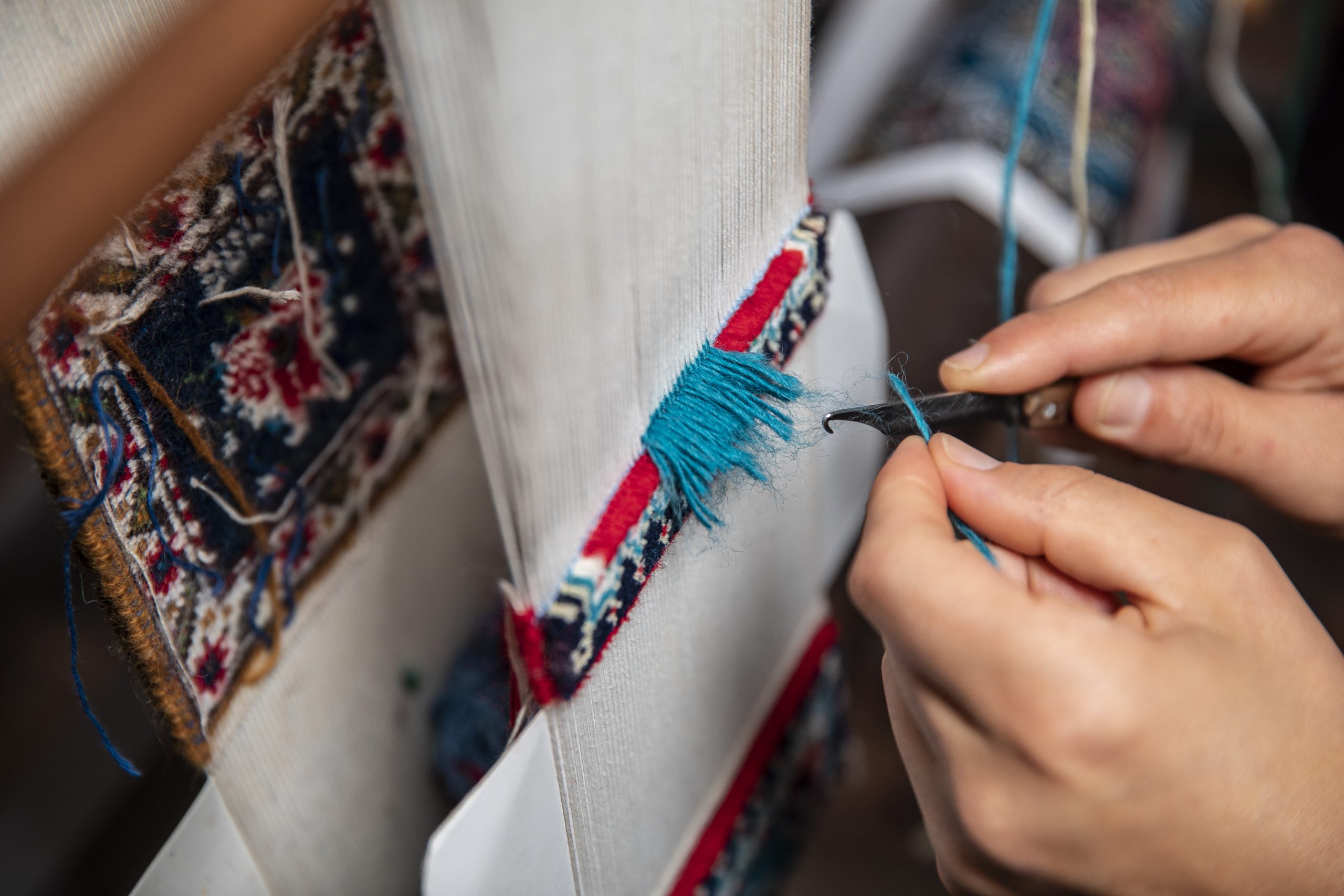
What Is the Graduation Approach?

Graduation ApproachIn 2002, the Bangladesh Rural Advancement Committee (BRAC), an international nonprofit, formed the Targeting the Ultra-Poor Program, now known as the Graduation Approach, a program aligning with its mission dedicated to helping those struggling with poverty, disease, illiteracy or social injustice. According to the organization’s research, the method has already graduated at least 3.1 million households out of poverty, reached 50 different countries and used in adaptations from more than 100 other organizations, with a 75% success rate. 

Understanding the Method 

BRAC uses an analogy of the trapping effects of poverty to base its approach, explaining that those in poverty are forced to think in terms of short-term survival. As a result, the poverty-alleviating approaches focused solely on lifting people out of poverty could eventually lead them back into it, due to the lack of necessary support to help with long-term planning. Instead, the Graduation Approach suggests a complex pathway over the course of two to three years to provide people with the means to overcome the poverty trap. 

As renowned journalist and two-time Pulitzer prize winner Nicholas Kristof explained in the New York Times, “It’s called the Graduation Approach because the idea is to graduate people from poverty, not just treat its symptoms.”

BRAC reinforces the idea that Graduation does not simply imply crossing the poverty line or meeting a certain statistical line. Rather, it describes a household’s ability to support itself independently, defined by four pillars within the struggle of combating poverty. 

In the Graduation Approach, the first step involves meeting basic needs. Participants receive essential resources such as food, health services, education and cash to overcome immediate challenges. The second pillar focuses on income generation, providing assets like equipment, livestock or loans, along with skills training to support the establishment or joining of a business. Subsequently, financial support and savings training help participants effectively manage their income, progressing to advanced financial literacy programs. Finally, the program emphasizes social empowerment post-graduation, fostering confidence and community engagement for sustained social inclusion and stability.

The Impact (So Far) 

The Graduation Approach, known for its adaptability and thoroughness, has inspired numerous organizations to launch pilot programs. Notably, The Ford Foundation and The Consultative Group to Assist the Poor collaborated on 10 projects across Asia, Africa and Latin America. Their evaluation revealed effectiveness but noted challenges, such as high costs and time requirements. Experimentation with government and non-governmental initiatives highlighted the benefits of scaling the program. However, it became evident that successful implementation requires collaboration between multiple agencies. The findings suggest that integrating the Graduation Approach into existing government social protection programs could optimize its impact, fostering confidence and community for sustained social inclusion and stability.

Combating global poverty is a collective effort undertaken by numerous organizations and communities. The Graduation Approach stands out as an impactful strategy in the journey toward a world where one’s birth circumstances don’t determine their ability to thrive. This method empowers individuals by instilling confidence and fostering a sense of community, promoting social inclusion and stability.

– Aria Desai
Photo: Unsplash

January 18, 2024
https://borgenproject.org/wp-content/uploads/borgen-project-logo.svg 0 0 Yuki https://borgenproject.org/wp-content/uploads/borgen-project-logo.svg Yuki2024-01-18 01:30:072024-01-18 07:53:00What Is the Graduation Approach?
Global Poverty

Music With a Mission: 6 Music Festivals Fighting Against Global Poverty

Music Festivals Fighting Against PovertyIn recent years, several major music festivals have shifted their focus toward the fight against global poverty for positive social change. These gatherings have transcended their conventional role as entertainment spectacles to become influential platforms for addressing pressing global issues. Leveraging their influence and massive gatherings, they promote awareness, raise funds and engage in initiatives aimed at creating a positive societal impact. The following are six music festivals fighting against global poverty.

6 Music Festivals Fighting Against Global Poverty

  1. Global Citizen Festival. Established in 2012, the Global Citizen Festival is renowned for its unwavering commitment to ending extreme poverty. Through the strategic utilization of music and the influential reach of global artists, it actively raises awareness and funds to advance the objectives outlined in the United Nations Sustainable Development Goals. The festival has mobilized more than $25 billion toward combating extreme poverty, focusing on health, education and gender equality. In the year 2023, the festival focused on improving access to education. In a committed gesture, France allocated €40 million to the “Education Cannot Wait (EWC)” program, aimed at facilitating children’s access to education in crisis situations. Other notable achievements include securing commitments from international governments and organizations, including the European Commission and Canada, in 2022. This resulted in pledges exceeding $800 million dedicated to poverty alleviation and an additional $240 million raised for the International Fund for Agricultural Development (IFAD). The festival also played a pivotal role in securing $7.4 billion in pledges for the “Gavi, the Vaccine Alliance” in 2019, immunizing more than 300 million children in impoverished countries.
  2. Coachella Valley Music and Arts Festival. While Coachella is primarily known for its star-studded line-ups, it has also embraced social activism by partnering with nonprofit organizations like Galilee Center, which is dedicated to fulfilling the “needs of the underprivileged.” Since 2004, Coachella has collaborated with Global Inheritance to develop interactive and educational initiatives that engage festival-goers and highlight global issues. The 2023 edition of the festival also hosted a significant event in partnership with the U.N. and CORE, emphasizing the role of artists in addressing global hunger exacerbated by climate change and promoting “zero hunger.”
  3. Glastonbury Festival. Glastonbury, rooted in social change, promotes sustainability and environmental responsibility. Initiatives include waste reduction, public transport encouragement and engagement with eco-conscious suppliers. In 2023, the festival allocated more than £3.7 million to various charities, distributing £1.7 million to primary partners like Oxfam, WaterAid and Greenpeace. Additionally, it supported other organizations, including contributions to the Red Cross for medical support in the Middle East, War Child for aiding children affected by war and several U.K.-based charities focused on homelessness, poverty and mental health.
  4. Tomorrowland. Tomorrowland collaborates with UNICEF through its “Love Tomorrow” campaign, raising funds for children’s education and health care in developing countries. Sustainability efforts, including recycling programs, sustainable water management and carbon footprint reduction, are integral to the festival’s ethos. Like other music festivals fighting against global poverty, Tomorrowland also focuses on community empowerment and education. It hosts programs such as the Love Tomorrow Conference and Campus to inspire positive action on critical issues like mental health and technological advancements.
  5. Bonnaroo Music and Arts Festival. The Bonnaroo Works Fund (BWF), a nonprofit organization established in 2009, supports various initiatives dedicated to changing the world through art, education, sustainability and social impact. The festival allocates $1 from each ticket sold to sustainability efforts such as composting, solar arrays and food recovery. Additionally, Bonnaroo features areas like Planet Roo, which promote sustainability and global consciousness.
  6. Afrofuture Festival. Afrofuture, a leading African music festival, has played a crucial role in uniting the diaspora and boosting local economies in Africa. The festival’s community service endeavors, coupled with events like the Afro Expo 2023, the Black Ambition Pitch Competition and the AfroFuture Foundation Giveback, focus on cultural, technological, health and artistic development in Africa. The festival has made significant strides in promoting philanthropy and social change by celebrating African culture and music. Like other music festivals fighting against global poverty, this event is not only a platform for showcasing African talent but also a vehicle for supporting African development initiatives while addressing global poverty.

Looking Ahead

In harmony with the power of music, global festivals like Global Citizen, Coachella, Glastonbury, Tomorrowland, Bonnaroo and Afrofuture are proving that cultural events can transcend entertainment, becoming powerful tools for positive change. These festivals have consistently directed their influence and funds toward addressing global poverty, education, health and sustainability. Through their unique approaches, these music festivals are not only shaping the entertainment landscape but also making meaningful contributions to global social causes.

– Matilde Liboni
Photo: Pexels

January 17, 2024
https://borgenproject.org/wp-content/uploads/borgen-project-logo.svg 0 0 Lynsey 2 https://borgenproject.org/wp-content/uploads/borgen-project-logo.svg Lynsey 22024-01-17 07:30:232024-05-30 22:32:46Music With a Mission: 6 Music Festivals Fighting Against Global Poverty
Global Poverty

Ghana’s Efforts in Cocoa Sustainability

Ghana's Cocoa SustainabilityGhana, renowned as the “Cocoa Kingdom,” stands as a global powerhouse in the production of cocoa beans, a vital commodity that plays a pivotal role in the nation’s economic landscape. As the backbone of Ghana’s agricultural sector, cocoa contributes significantly to employment, export earnings and overall economic growth. However, with this economic importance comes a set of challenges, prompting Ghana’s cocoa sustainability journey. In doing so, the nation not only ensures the longevity of its cocoa industry but also addresses crucial aspects of economic growth and poverty reduction. As the OPEC Fund For International Development discusses, cocoa influences not only Ghana’s economic landscape but also plays a significant role in shaping the nation’s identity and even its climate outlook.

Cocoa’s Economic Significance in Ghana

Cocoa cultivation is deeply ingrained in Ghana’s economic fabric, directly employing millions of Ghanaians and providing income and livelihoods for farmers and their families. The revenue generated from cocoa exports significantly contributes to the country’s foreign exchange earnings. Globally in 2019, around 800,000 people working in the cocoa industry accounted for a market value of up to $760 million, according to the the International Institute For Sustainable Development (IISD) making cocoa a cornerstone of economic stability.

The Promotion of Sustainable Cocoa Farming

In acknowledgment of the challenges the cocoa industry faces, Ghana has proactively recognized the need for sustainable practices. Environmental degradation and deforestation threaten the delicate ecosystems supporting cocoa cultivation, while ethical concerns emphasize the importance of fair labor practices. As a response, Ghana focuses on transforming its cocoa industry into a model of sustainability, aligning economic growth with responsible and ethical practices.

Ghana’s commitment to cocoa sustainability is evident through various initiatives aimed at promoting sustainable farming practices. One of these initiatives is the United Nations Development Programme (UNDP) working with Mondelēz International to incorporate environmental sustainability.

Formed in 2012, Mondelēz International is responsible for the manufacturing and marketing of food and focuses on sustainability with initiatives in place to address environmental and social issues within its supply chain, including efforts relating to sustainable sourcing of cocoa for its chocolate products. The company invests in initiatives that improve sustainability in areas sourcing its ingredients.

The Cocoa Life program in partnership with the UNDP aims to provide cocoa farmers with “economic shade trees” to aid cocoa farms and “make forests more resilient to the risk of pests and diseases.” The positive impact of these initiatives extends to the livelihoods of cocoa farmers and their communities. By embracing sustainable cocoa farming practices, Ghana has witnessed increased crop yields, elevated incomes, and improved access to credit and resources for farmers. Mondelēz International invested $400 million over a decade to uplift and support cocoa farmers.

This, in turn, aids in poverty reduction and enhances the economic resilience of cocoa-farming families. Furthermore, these sustainable practices contribute to environmental conservation and mitigate the effects of extreme weather patterns.

Addressing Poverty Through Sustainable Cocoa Practices

Sustainable cocoa practices are a powerful tool for poverty reduction. By providing farmers with stable and improved incomes, these practices enable them to meet basic needs such as education, health care and housing. This makes the multi-faceted approach beneficial to the overall quality of life in cocoa-producing regions, showcasing Ghana’s commitment to creating a more sustainable and inclusive society.

According to the World Bank, since 2019,  reducing carbon emissions that forest degradation causes helped Ghana earn $4.8 million. This could rise to up to $45 million by 2024. Sustainability supports the private sector’s commitments to source sustainably produced cocoa beans, which can fetch better prices and market access for farmers. Ghana’s efforts in cocoa sustainability demonstrate how economic growth and poverty reduction can go hand in hand with environmental conservation and climate action.

– Mia Deniz Duru
Photo: Flickr

January 17, 2024
https://borgenproject.org/wp-content/uploads/borgen-project-logo.svg 0 0 Kim Thelwell https://borgenproject.org/wp-content/uploads/borgen-project-logo.svg Kim Thelwell2024-01-17 07:30:182024-01-19 02:02:57Ghana’s Efforts in Cocoa Sustainability
Global Poverty, Hunger

10 Facts About Hunger in Latin America


Hunger affects 43.2 million in Latin America and the Caribbean. While this figure represents 0.5% over a previous measurement, hunger in the region is still 0.9% above the 2019 records before COVID-19. Here are 10 facts about Hunger in Latin America:

10 Facts About Hunger in Latin America

  1. The Cost of a Healthy Diet is Higher in this Region – Latin America and the Caribbean have the highest healthy diet costs worldwide. The cost of a healthy diet increased by 5.3% in the region between 2020 and 2021. This increase was due to food inflation and errors in supply chain distribution. The average price of a healthy diet globally is $3.66 per person per day, but the average cost in Latin America is $4.08. 
  2. Food Insecurity is Still Rising in the Region – In 2022, 247.8 million people in the region experienced moderate or severe food insecurity. This caused some people to reduce the quality or quantity of their food and, in some cases, even skip meals. 
  3. Fuel and Energy Prices Affect Food Insecurity – This makes it more difficult for people to access food, as they cannot afford fuel for transportation. In addition, the cost of moving a ton of food into the region is seven times more expensive, increasing hunger in Latin America.  
  4. An Increase in Production and Exports Over the Last Few Years Have Increased Hunger – Since 2022, Brazil, Argentina, Paraguay and Uruguay, among other countries in the region, have continued to boost their production. This growth has been partially due to the increase in food prices. With the increase in production, food prices will continue to increase to account for higher production costs. 
  5. Welfare Does Not Help Food Insecurity – Moderate and severe food insecurity has grown in the last two years, even for those who receive the Auxílio Brasil benefit, “a cash transfer of 600 reais ($115) per month for families living in poverty or extreme poverty.” About 32.7% of families that receive welfare earn less than half of Brazil’s minimum wage. Welfare may help with diapers or other items for kids, but it cannot cover everything. This leaves people vulnerable to hunger. 
  6. People Are Facing the Darien Gap – People are willing to ​​risk their lives crossing the Darien Gap. This is a particularly arduous and dangerous forest route in Central America, facilitating access from the south to the north of the continent. In 2021, 151,000 people passed through this route, and this typically involves 10 days walking through a forest and 10 days through rivers and crossing mountains. Many people died in the process. Yet, people are desperate to move because they have lost everything and can no longer support their families. They have no access to food or food security.  
  7. Food Insecurity Due to the Pandemic – When the COVID-19 pandemic began in 2020, almost 3.1 billion people worldwide could not afford a healthy diet. Approximately 117.3 million of those people were from Latin America and the Caribbean. 
  8. Action Against Hunger – Action Against Hunger is an organization dedicated to fighting hunger and improving food security in more than 50 countries, including Latin America. It helps people in small communities access healthier food, more income and markets. This boosts their economic productivity, allowing them to access food.
  9. Hunger-Free Latin America and the Caribbean Initiative – This organization is creating conditions to help eradicate hunger permanently by 2025. Their work is mainly in the legal sector, where they develop legal frameworks that promote and protect the right to food, institutions that coordinate and monitor the negotiations to increase food security and policies that lead to practical actions to end hunger.
  10. Feeding My Starving Children – This is another organization that aims to limit hunger in the region. The organization sends nutritious meals to several ministries in Peru, where its partners seek to provide love and hope in the name of Jesus.

Looking Ahead

While there is still work to be done to eliminate hunger in Latin America, the efforts of the above organizations spurs hope for a better future.   

– Sara Agosto
Photo: Flickr

January 17, 2024
https://borgenproject.org/wp-content/uploads/borgen-project-logo.svg 0 0 Lynsey 2 https://borgenproject.org/wp-content/uploads/borgen-project-logo.svg Lynsey 22024-01-17 01:30:592024-01-19 02:03:3610 Facts About Hunger in Latin America
Developing Countries, Development, Global Poverty, Health

The prevention of malnutrition and IDA in the Philippines

The prevention of malnutrition and IDA in the PhilippinesA significant proportion of the Philippines suffers from malnutrition, and more than 18% of the population lives below the poverty line. Iron deficiency anemia (IDA) is one of the most prominent micronutrient deficiencies among infants and young children in the Philippines, and it can be easily prevented via the consumption of fortified and iron-rich foods. IDA causes significant health care costs and can result in disability and loss of productivity.

The Impact of Cost

Fortification provides a better solution to IDA and other nutrient deficiencies than supplementation or treatment and would be effective in treating malnutrition in the Philippines. However, many individuals from lower-income backgrounds experience IDA or malnutrition because most nutrient-rich foods are not affordable.

Infants and Children

Infants aged 6-11 months have the highest prevalence of nutrient deficiency in the Philippines, with approximately 56.5% suffering from IDA. This is followed by approximately 41% of children aged 12-23 months also suffering from IDA. Increasing iron uptake would improve overall health and provide a positive impact on both physical and cognitive ability. As a result, these infants and children could grow up to have a more positive contribution to society, both socially and economically, a step toward ending malnutrition in the Philippines.

Women

An additional group of individuals who benefit from food fortification is women of reproductive age. IDA can be caused by an increased demand for iron in the body, as a result of menstruation or pregnancy. Consuming enough iron to prevent IDA is much easier than curing it during pregnancy. Iron needs to be readily available, alongside education that promotes the necessity of an iron-rich diet.

The Philippines Multisectoral Nutrition Project

In 2022, the government of the Philippines launched the Philippines Multisectoral Nutrition Project, “To increase the utilization of a package of nutrition-specific and nutrition-sensitive interventions and improve key behaviors and practices known to reduce stunting in targeted local government units.” Financed by the World Bank, the plan aims to significantly reduce malnutrition in the Philippines within four years, thereby increasing the number of the population able to contribute to the country’s financial success.

One goal is to increase the amount of pregnant women receiving prescribed antenatal care and iron-folic supplementation for IDA by 50%. It also aims to increase the number of infants aged 6-23 months who are consuming an age-appropriate adequate diet by more than 50%. It additionally aims to introduce nutrition-specific and nutrition-sensitive interventions to help educate communities on the importance of a balanced diet and nutrients such as iron.

This program targets 235 towns in the Philippines, with the aim of providing children and pregnant women with nutritional support and essential health care. Strategies that are part of the plan include providing fortified food and access to clean sanitation to families with infants and young children, and providing supplements and health care support to pregnant women suffering from IDA and other nutrient deficiencies.

Looking Ahead

The Philippines is making great efforts toward reducing and preventing malnutrition and nutrient deficiencies among poorer communities. Using supplementation to provide support for those already suffering, especially vulnerable individuals such as pregnant women, alongside making fortified foods accessible to the poorer communities, provides great hope for a healthier, more productive country.

– Charlotte Campion
Photo: Flickr

January 17, 2024
https://borgenproject.org/wp-content/uploads/borgen-project-logo.svg 0 0 Lynsey 2 https://borgenproject.org/wp-content/uploads/borgen-project-logo.svg Lynsey 22024-01-17 01:30:472026-04-16 10:21:52The prevention of malnutrition and IDA in the Philippines
Developing Countries, Global Poverty

Movement to Decriminalize FGM in Gambia

FGM in Gambia
Gambia stands at a crucial crossroads of tradition, human rights and progress, navigating the delicate path of decriminalizing FGM. Female genital mutilation/cutting (FGM), also referred to as female circumcision, is a harmful and invasive but very traditional practice of the partial or complete removal of a woman’s external genitalia for non-medical reasons. FGM is performed as a tradition and social norm as a symbol that a girl is ready for marriage. According to the United Nations Population Fund (UNFPA), at least 200 million women and girls today have undergone the process of FGM. FGM is harmful due to immediate risks such as pain, trauma and infection, as well as long-term consequences including childbirth complications, chronic pain and psychological trauma. This practice violates human rights, infringing on autonomy and contributing to stigmatization and gender inequalities. 

Movement to Decriminalize FGM 

In August 2023, the conviction of three women in Gambia for FGM reignited a contentious debate surrounding the existing ban on FGM. The women had to pay either 15,000 dalasis (around $1,000 USD) or serve up to a year in jail. The three women received charges under the reasons of the country’s Women’s Amendment Act of 2015.

In a National Assembly session in September 2023, support arose for Sulayman Saho, a National Assembly Member advocating for the repeal of the 2015 law banning FGM. This support was backed by many political and religious leaders actively working for the decriminalization of FGM, with Parliament and the Supreme Islamic Council in Gambia openly supporting the practice. Saho’s remarks coincided with tensions between Islamic leaders, led by Imam Abdoulie Fatty. Saho emphasized the need to examine both the legal and cultural aspects surrounding FGM. Political figures such as Saho and many others believe FGM decriminalization in Gambia preserves cultural and traditional practices that infringe on their rights of personal choice.

Impact of Decriminalization of FGM in Gambia 

Those who oppose the decriminalization of FGM in Gambia, such as the Civil Society and NGO Coalition, emphasized the Gambian government’s legal obligation to protect the rights and health of women and girls. In a statement, they strongly condemned those exploiting social and religious beliefs for personal agendas, highlighting the lasting impact on the lives of affected women. Despite some pushback, women in Gambia are at risk of becoming victims of FGM.

Resistance to the Decriminalization of FGM 

Despite efforts toward the decriminalization of FGM in Gambia, significant opposition has emerged. Established in 1984 as a nonprofit organization, the Gambia Committee on Traditional Practices Affecting the Health of Women and Children (GAMCOTRAP), operating in Bakau, Gambia, is at the forefront of this initiative. 

GAMCOTRAP formed in 1984 as a nonprofit at the International Seminar on Traditional Practices Affecting the Health of Women and Children in Senegal with help from the World Health Organization (WHO). The seminar brought together 28 African countries discuss issues impacting the health of girls and women, including traditional practices such as FGM.

GAMCOTRAP focuses on addressing the adverse effects of traditional practices on women and girls, with a particular emphasis on combating FGM and considering the gender dimensions of HIV/AIDS. Employing a strategic approach, GAMCOTRAP has engaged in a critical campaign against harmful traditional practices. This comprehensive effort includes community-based programs, collaboration with other nonprofit organizations, educational initiatives, and advocacy campaigns. 

GAMCOTRAP partners with prominent entities such as UNICEF, U.N. Women and the Global Fund for Women. Together, these groups work to eradicate FGM, employing a multifaceted strategy encompassing awareness-raising, community engagement, and collaboration with internal and international organizations.

The UNFPA provided support to GAMCOTRAP to start the ‘“dropping of the knife” initiative, “an effort that engages circumcisers and custodians of FGM in their families and communities to enhance their understanding of the negative implications of the practice, thus influencing voluntary abandonment.”

Since the beginning of the program, more than 1,000 circumcisers in Gambia have stopped the practice of FGM and are igniting community action to end FGM in Gambia entirely. On October 2, 2021, GAMCOTRAP hosted its sixth “dropping of the knife” ceremony for 27 circumcisers from 25 communities across Gambia.

The Power of Education 

Banning FGM has shown positive outcomes — as evidenced by the 2019-20 Gambia demographic and health survey. The survey revealed a decline in the belief that FGM should continue, dropping from 65% in 2013 to 46% in 2019-20. Notably, this decrease was most significant among women who had undergone FGM. This data underscores the significance of national bans and educational initiatives in preventing FGM. 

In navigating this complex landscape, Gambia faces profound decisions at the intersection of tradition, human rights and progress, with the influence of education emerging as a strong force in reshaping perceptions and fostering societal change. 

– Bella Oliver-Steinberg
Photo: Flickr

January 16, 2024
https://borgenproject.org/wp-content/uploads/borgen-project-logo.svg 0 0 Lynsey 2 https://borgenproject.org/wp-content/uploads/borgen-project-logo.svg Lynsey 22024-01-16 07:30:352024-01-11 18:32:13Movement to Decriminalize FGM in Gambia
Developing Countries, Global Poverty

Think Pacific’s Work Supporting Developing Communities

Developing Communities
Think Pacific is a volunteer enterprise that caters to university students and young adults in the U.K., encouraging them to participate in educational and community outreach projects in the Fijian Isles. It intends to expand its reach by launching similar programs in Bali, Indonesia. This expansion aims to further the opportunities for Balinese youth through funding and resource creation to be redistributed to increase opportunities locally. Such opportunities will aim to reduce poverty across developing communities in the Bali province and the wider nation in the long term.

History of Think Pacific

Headquartered in Leeds, U.K., Think Pacific can trace its origins to the experiences of its co-founders Harry Hunter and Simon Darker. Following their respective tenures as volunteers in the Fiji Isles and integrating with the local culture, they established Think Pacific in 2009 to provide young adults from the U.K. the chance to engage in cultural exchanges in Fiji. The purpose of this project is to enhance the futures of Fijian youths and villagers with limited opportunities by implementing the core values of Think Pacific. These values include partnerships, learning and local design. Such values translate into volunteer projects encompassing community building, youth empowerment/education, mental health awareness and sports development.

Think Pacific maintains a partnership with several U.K.-based universities, including Cardiff, Glasgow, Nottingham and others, offering incentives to students through each institution’s respective careers center. These include scholarships and bursaries to make such a mission a reality. 

Over the 15 years since its establishment, the charity’s progress has included providing more than 500 community projects for rural communities, investing more than $15 million into the Fijian economy and utilizing $8.2 million to facilitate the training skills and development of Fijian youths. Think Pacific has recently received an award for best study abroad and global exchange program by professionals in international education at the 2023 PIEoneer Awards. Such progress extends towards pupil engagement in class, where 98% of Fijian teachers agree that Think Pacific’s programs have led to increased pupil engagement within classes and improved literacy rates among children (through testing pupils pre and post-project). These education programs have also led to the development of 83+ work-based training placements organized for unemployed Fijian youths. 

Think Bali

In October 2023, Think Pacific confirmed its plans to extend its values and core beliefs to Indonesia, engaging in outreach projects beginning with Bali in 2024.

Like its operations in Fiji, Think Pacific intends to assist the development of Bali’s youth and wider community through the efforts of volunteers from the U.K. and through funding and resource generation to redistribute to the local populace who possess limited financial resources. 

Furthermore, Think Pacific’s outreach scheme in Bali will prioritize promoting ‘‘positive mental health’’ for communities lacking the same avenues of support available within the Western world. Such activities will consist of sessions focusing on therapeutic exercises and community ventures for school children and elderly residents, respectively. 

Through enabling cultural immersion by housing volunteers within Balinese villages like volunteers participating in the Fijian programs, Think Pacific intends for this program to impart knowledge of local customs to volunteers while simultaneously encouraging the growth of developing communities within Bali. 

Bali Overview

Statistics reveal that the poverty rate within Indonesia overall stands at 9.7% as of September 2021, with the country’s GDP revealing a growth of 5.1% in 2022. One can attribute an increase in community exports and an accommodative fiscal policy to mitigate the impact of the COVID-19 pandemic to this level of growth.

The most recent study from the World Bank reveals that Indonesia’s literacy rate is 96%. Think Pacific is now looking to expand upon this progress in the Bali province by addressing literacy and poverty. Through this outreach scheme, Think Pacific seeks to develop personal transferable skills for volunteers to showcase to employers and expand the opportunities accessible to Balinese youth from developing communities.

Think Global

Think Pacific and Think Asia will become part of a more prominent family of locally registered organizations, Think Global, according to a spokesperson from Think Pacific.

The organization’s expansion into Indonesia reflects its intention to establish a global exchange between volunteers and developing communities within regions across the globe. As with Fiji and Indonesia, the goal will remain to achieve student engagement and educational support and maintain support for communities from humble origins with fewer avenues of support available to them.

– Thomas Perry
Photo: Flickr

January 16, 2024
https://borgenproject.org/wp-content/uploads/borgen-project-logo.svg 0 0 Yuki https://borgenproject.org/wp-content/uploads/borgen-project-logo.svg Yuki2024-01-16 07:30:032024-01-11 18:05:22Think Pacific’s Work Supporting Developing Communities
Developing Countries, Education, Global Poverty

Oprah Winfrey Supports Education in Developing Countries

Oprah WinfreyTelevision personality and philanthropist Oprah Winfrey (“Oprah”) has set up several foundations and networks with charitable causes. Through these foundations, Oprah has helped educate some of the most vulnerable communities within the United States and beyond.

Oprah’s Angel Network

Oprah established a public charity called Oprah’s Angel Network in 1998. During its 12-year history, the charity garnered more than $80 million in donations, all of which went toward supporting charitable causes across the world. According to the Oprah Winfrey Charitable Foundation website, Oprah’s Angel Network dedicated funds towards bettering the lives of people around the world, including helping establish 60 schools in 13 countries, creating scholarships, supporting women’s shelters, and building youth centers and homes.

The Angel Network concluded in 2010 after distributing $1 million in donations to six charter schools to support the improvement of quality public education for children.

Seven Foundations Primary School

In 2007, Oprah’s Angel Network provided funding for the Seven Fountains Primary School located in KwaZulu Natal, South Africa. Situated in a poor, rural community, the initial school building had no electricity, limited water access, few sanitation facilities, and stood in a dilapidated state. Donations from the network allowed for the construction of an entirely new and sustainably built school building with proper facilities for both learning and recreation. An approximate 1,000 students were provided with educational resources that they and their instructors had previously not had access to, including computers and SMART Boards.

Designed to impact the whole community, the school also granted adults access to use its facilities to further their education or host workshops. Amenities made available to them consisted of a night school, the computer lab, and the library.

Oprah Winfrey Leadership Academy for Girls

The Oprah Winfrey Leadership Academy for Girls (“OWLAG”) was established by Oprah in 2007 in Johannesburg, South Africa. Inspired by former South African president Nelson Mandela and his passion for education, Oprah made a promise back in 2002 to provide the best possible education opportunities for marginalized women in South Africa. The OWLAG, a result of that pledge, is active to this day.

Entry criteria for the academy requires that the applicant has had to overcome childhood poverty and trauma, yet also possesses a resilience, courage and spirit that establishes them as a leader among their peers. With features such as 21 state-of-the-art classrooms, six labs, and a 10,000 volume library, the OWLAG provides chosen girls with access to world-class resources dedicated towards improving their education and supporting them to seek out substantial careers.

As of 2023, 528 girls have graduated from the academy. Out of this number, 90% have pursued college education, some attending top universities around the world.

Improving Education: Looking Ahead

Through Oprah’s charitable work over the years, even the most disadvantaged communities have been able to receive an education that will allow them to gain the skills and knowledge needed to break the cycle of poverty.

In October 2023, Oprah pledged $2.5 million to the U.S. Dream Academy to assist in their efforts to provide after-school and mentoring programs to children with incarcerated parents. With youth education being a priority for her philanthropic deeds, she hopes to continue to provide marginalized groups with the resources they need to be able to shape a better future for themselves.

– Ella Bushell
Photo: Flickr

January 16, 2024
https://borgenproject.org/wp-content/uploads/borgen-project-logo.svg 0 0 Yana Chukur https://borgenproject.org/wp-content/uploads/borgen-project-logo.svg Yana Chukur2024-01-16 06:12:282024-03-04 03:21:38Oprah Winfrey Supports Education in Developing Countries
Foreign Aid, Global Poverty

The Delivery of Foreign Aid to Sudan

Foreign Aid to Sudan

The delivery of foreign aid to Sudan has been facing major challenges and obstacles, due to local authorities imposing bureaucratic security restrictions.

The Situation 

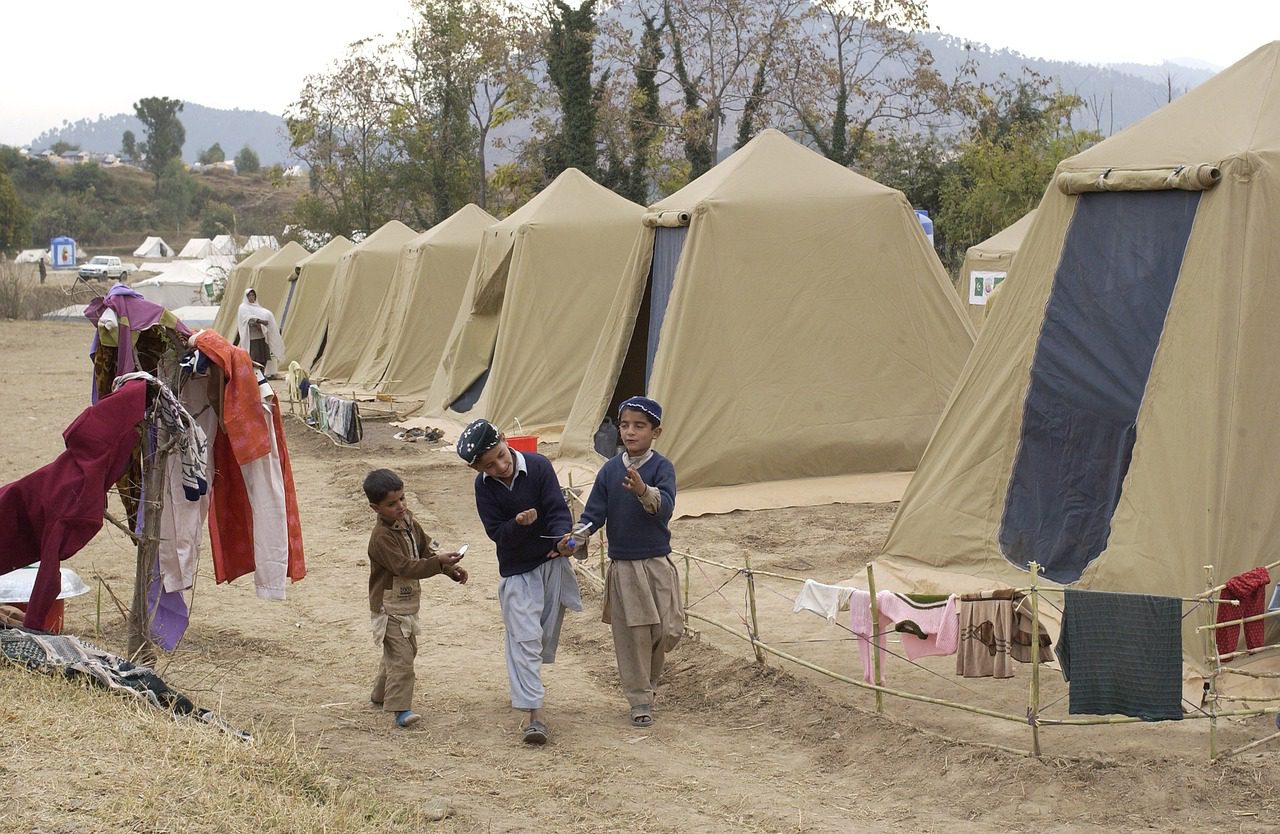
After the recent violence between Sudan’s army and the paramilitary Rapid Support Forces (RSF), the country is in dire need of basic human assistance, including food, water, shelter and health services. According to Clementine Nkweta-Salami, Humanitarian Coordinator for Sudan, more than 6 million people have fled the ongoing civil war and are displaced in Sudan or in neighboring countries. 

This civil war puts Sudan on the verge of a humanitarian disaster and a refugee crisis, with 25 million people in need of assistance and protection. On July 19, 2023, the United Nations (U.N.) sponsored an event raising nearly $1.5 billion from international donors to fund life-saving relief efforts in the region, calling on parties in Sudan to immediately end the fighting.

US Aid to Sudan

In 2023, the United States provided more than $700 million in foreign aid to Sudan and neighboring countries experiencing the impacts of the ongoing crisis, including Chad, Egypt, Ethiopia and the Central African Republic.

At a briefing last month, Nkweta-Salami expressed that the country is facing many challenges in receiving foreign aid. Bureaucratic security restrictions have hindered delivering aid and granting visas to humanitarian workers, as well as preventing those seeking safety from fleeing the country. Since early September, Sudanese authorities have banned the transportation of surgical supplies to hospitals in Khartoum, which is under RSF control. As a result, Khartoum citizens cannot receive life-saving treatment and some hospitals have suspended operations. 

The prolonged conflict in Sudan has led to a huge increase of people experiencing food insecurity. More than 20 million people are facing hunger, with 6.3 million being one step away from famine. Additionally, 30% of the Sudanese population is unable to afford local food and the prices of food have increased by nearly 50% since the start of the conflict in April. Many children and pregnant or nursing women suffer from malnutrition, but the conflict has closed 80% of hospitals. 

Aid from the Norwegian Refugee Council (NRC)

The Norwegian Refugee Council (NRC) set up a cash assistance distribution point in Khartoum, utilizing funding from the Sudan Humanitarian Fund to help alleviate the crisis in that region. The cash is usable for non-food items and emergency shelter. The NRC cited this method as “more effective, faster, and easier to control and meet people’s needs.” About 210,300 people have received emergency shelter and non-food items through the U.N. and other humanitarian partners.

The Importance of Humanitarian Aid Access

Nkweta-Salami stressed the importance of improving humanitarian aid access. Thus far, Sudan has received only one-third of the $2.6 billion needed to alleviate the worst of the crisis. “If we don’t act now, Sudan risks becoming a protracted crisis where there is little hope and fewer dreams,” said Nkweta-Salami.

Aside from the $1.5 billion raised in July, U.N. Under-Secretary-General for Humanitarian Affairs and Emergency Relief Coordinator, Martin Griffiths announced an additional $22 million from the Central Emergency Response Fund. According to the U.N., more than $3 billion are needed to allocate life-saving multisectoral assistance and protection services to the millions of people displaced and seeking refuge. It urges donors to continue contributing to the Humanitarian Response Plan and the Refugee Response Plan. 

Looking Ahead

On the brink of famine, facing nationwide food insecurity and a lack of health services, with millions displaced, Sudan needs foreign aid now more than ever. International agencies can also help by putting pressure on the Sudanese government to lessen the restrictions currently keeping aid from reaching the population.

– Noura Dakka
Photo: Flickr

January 16, 2024
https://borgenproject.org/wp-content/uploads/borgen-project-logo.svg 0 0 Yuki https://borgenproject.org/wp-content/uploads/borgen-project-logo.svg Yuki2024-01-16 01:30:572024-01-11 14:36:58The Delivery of Foreign Aid to Sudan
Global Poverty

3 Bottom-Up Organizations Within Haiti Battling Poverty

Bottom-Up Organizations Within HaitiA bottom-up approach to tackling poverty, which stems from colonial endeavors, is crucial when addressing poverty, as seen in these three successful examples of bottom-up organizations within Haiti. 

About Poverty in Haiti

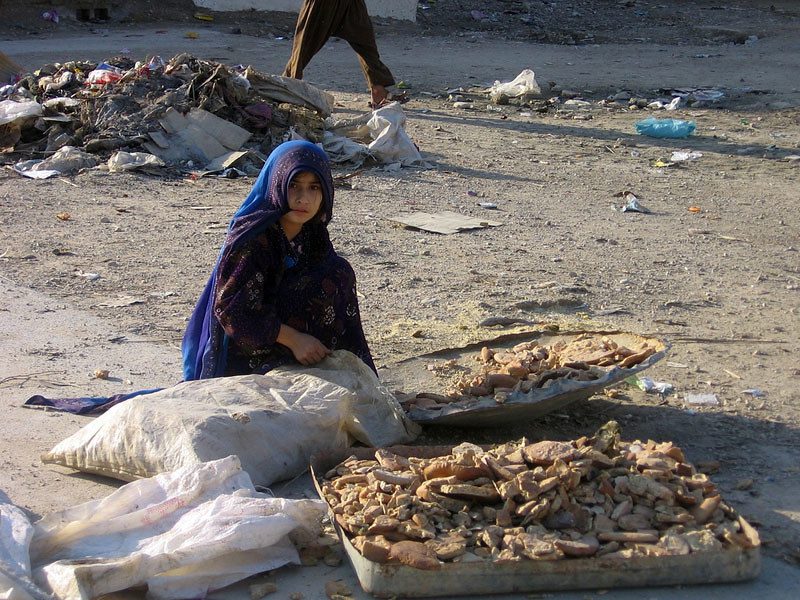
While Haiti experiences multiple forms of poverty, such as from their encounters with tropical storms, the root of Haitian poverty is undoubtedly European colonialism. While Haiti is now an independent country, its trauma is still severe as “European countries had colonized Haiti in the late nineteenth century, instituting a system of economic exploitation in which Haitian raw materials, particularly cash crops and minerals, were expropriated and exported to the sole benefit of the colonizing power where they built their Empire at the expense of Haiti.”

The statistics are harrowing: “In Haiti, nearly 59% of the population lives below the poverty line, with limited access to basic services. Haiti ranks 163 out of 191 countries on the 2021 Human Development Index, and is affected by political turmoil; cholera; poverty; institutional and socioeconomic crises; and natural disasters.”

It is critical to understand the significant benefits of bottom-up organizations within Haiti to battle these statistics and realities for many while subverting colonial behavior. Here are three bottom-up organizations within Haiti that are making a real difference.

1. Peasant Movement of Papaye/Mouvman Peyizan Papay

As mentioned, European colonialists stripped Haiti of much of its natural resources and natural resources. This environmental degradation plays a considerable role in poverty, making it harder to grow crops and crucial natural resources. Peasant Movement of Papaye/Mouvman Peyizan Papay (MPP), founded in 1973, seeks to undo the damage to their land and prevent further degradation. 

One of the main symptoms of poverty is hunger, and MPP targets this symptom. In August 2023, the MPP brought together 1,500 delegates from across Haiti to ratify a five-year strategic plan revolving around agrarian support and advocacy for inclusion. 

Also, in 2023, it was the International Winner of the Food Sovereignty Prize, which the U.S. Food Sovereignty Alliance awarded it with. It celebrated 50 years of using collective food production and commercialization, technical assistance, advocacy, litigation, direct action and more to achieve food sovereignty. 

2. Haiti Food Systems Alliance 

Similarly to MPP, the Haiti Food Systems Alliance seeks to end hunger in Haiti. Founded and run by Haitians, their mission is to generate enduring and foundational economic change for Haiti’s rural families and communities. 

The Haiti Food System Alliance supports 34,000 Haitian farmers and, as of 2023, has provided 13 million locally sourced meals to Haiti’s most vulnerable regions and demographics. 

In June 2023, the Haiti Food Systems Alliance partnered with other local organizations to feed hundreds of students peanut butter and cassava. 

3. Groupe D’Appui Aux Rapatriés Et Réfugiés

Groupe d’Appui aux Rapatriés et Réfugiés (GARR) is a bottom-up organization that helps some of the most impoverished people of Haiti: refugees and internally displaced people. Not only do they provide important resources such as food and shelter, but they also provide legal assistance and rehabilitation programs. 

GARR also helps prioritize women and girls who are especially vulnerable to violence. According to the Haitian times, “In 2022, GARR recorded 161,986 repatriated Haitians, 30% of whom are women and girls.”

In August 2017, GARR worked together with representatives of the Dominican Republic to prevent further xenophobia among Haitian refugees and immigrants in the Dominican Republic. GARR has worked to dismantle current tensions and prevent further tensions from being established, all while cultivating a culture of peace. 

Concluding Thoughts

All three of these bottom-up organizations within Haiti provide critical assistance to the impoverished communities within Haiti. Not only do they provide agency and sustainable practices to alleviate poverty, but they subvert the colonial foundations from which so much poverty stems. 

In Haiti’s poverty, these organizations provide a beacon of hope. They not only address immediate issues such as hunger, agriculture and the safety of displaced peoples but provide an unwavering commitment to dismantling the persistent symptoms of colonial exploitation.

– Piper Jenkins
Photo: Pixabay

January 16, 2024
https://borgenproject.org/wp-content/uploads/borgen-project-logo.svg 0 0 Lynsey 2 https://borgenproject.org/wp-content/uploads/borgen-project-logo.svg Lynsey 22024-01-16 01:30:182024-06-11 00:18:053 Bottom-Up Organizations Within Haiti Battling Poverty
Page 364 of 2161«‹362363364365366›»

Get Smarter

  • Global Poverty 101
  • Global Poverty… The Good News
  • Global Poverty & U.S. Jobs
  • Global Poverty and National Security
  • Innovative Solutions to Poverty
  • Global Poverty & Aid FAQ’s
Search Search

Take Action

  • Call Congress
  • Email Congress
  • Donate
  • 30 Ways to Help
  • Volunteer Ops
  • Internships
  • Courses & Certificates
  • The Podcast
Borgen Project

“The Borgen Project is an incredible nonprofit organization that is addressing poverty and hunger and working towards ending them.”

-The Huffington Post

Inside The Borgen Project

  • Contact
  • About
  • Financials
  • President
  • Board of Directors
  • Board of Advisors

International Links

  • UK Email Parliament
  • UK Donate
  • Canada Email Parliament

Get Smarter

  • Global Poverty 101
  • Global Poverty… The Good News
  • Global Poverty & U.S. Jobs
  • Global Poverty and National Security
  • Innovative Solutions to Poverty
  • Global Poverty & Aid FAQ’s

Ways to Help

  • Call Congress
  • Email Congress
  • Donate
  • 30 Ways to Help
  • Volunteer Ops
  • Internships
  • Courses & Certificates
  • The Podcast
Scroll to top Scroll to top Scroll to top