• Link to X
  • Link to Facebook
  • Link to Instagram
  • Link to TikTok
  • Link to Youtube
  • About
    • About Us
      • President
      • Board of Directors
      • Board of Advisors
      • Financials
      • Our Methodology
      • Success Tracker
      • Contact
  • Act Now
    • 30 Ways to Help
      • Email Congress
      • Call Congress
      • Volunteer
      • Courses & Certificates
      • Be a Donor
    • Internships
      • In-Office Internships
      • Remote Internships
    • Legislation
      • Politics 101
  • The Blog
  • The Podcast
  • Magazine
  • Donate
  • Click to open the search input field Click to open the search input field Search
  • Menu Menu
Blog - Latest News
Global Poverty

Bolus, Outdated Medical Routine Endangers African Children
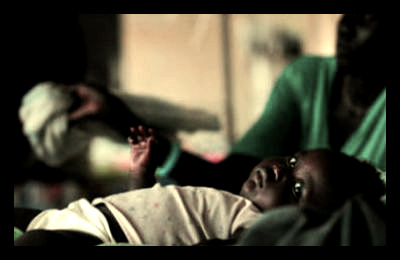
Bolus, Outdated Medical Routine Endangers African Children
In 2011, a group of researchers published results in the New England Journal of Medicine suggesting that the Western method of treating shock leads to a higher mortality rate among African children. Despite these findings, the WHO has yet to revise its shock treatment process- potentially risking the lives of thousands.

For decades, seriously dehydrated patients in Europe and other developed countries were treated with large quantities of fluid in a 15 minute drip known as a bolus. Until the 2011 trials, this practice had never been tested in a clinical setting. Named the Fluid Expansion As Supportive Therapy (FEAST), the trials enlisted over 3,100 African children suffering from shock and tested the effectiveness of bolus-treated patients versus non-bolus treated patients.

The results stunned doctors and led to a premature shutdown of the trials due to an excessive number of deaths. Overall, researchers concluded that the presence of bolus significantly increased 48-hour mortality in critically ill children. Bolus-treated children had an 89.4% survival rate whereas the non-bolus treated children had a 92.7% survival rate.

Put shortly, out of every hundred children treated, more than three died from the bolus treatment than those who were rehydrated more slowly.

Possible explanations for the perceived discrepancy between African and European success rates include better hospital facilities in Europe, access to ventilators, and the increased severity of the cases in Africa. Until a similar trial takes place in a developed country, doctors will not be able to definitively explain continental differences.

However, as Sarah Boseley reports in The Guardian, the WHO 2013 edition of the Pocket Book of Hospital Care for Children still lists a 20 ml/kg bolus as an acceptable method of shock treatment.

A recently published paper in the British Medical Journal expressed concern that the number of children meeting the WHO’s standard definition of shock “might expose substantial numbers of children to harm.” Based on the known number of children along the Kenyan coast treated for shock ranging in the millions, the BMJ believes continued rapid fluid resuscitation treatment could produce “hundreds of thousands of excess deaths.”

As a preeminent leader in global health and safety, the WHO’s actions directly influence the lives of millions. Their continued use of a highly questionable practice reflects poorly on the organization, and postponing a response only weakens their influence in the developing world.

– Emily Bajet

Sources: The Guardian, The Guardian Heath, BMJ, The New England Journal of Medicine, Modern Ghana
Photo: The Guardian

January 22, 2014
Share this entry
  • Share on Facebook
  • Share on X
  • Share on WhatsApp
  • Share on Pinterest
  • Share on LinkedIn
  • Share on Tumblr
  • Share on Vk
  • Share on Reddit
  • Share by Mail
https://borgenproject.org/wp-content/uploads/borgen-project-logo.svg 0 0 Borgen Project https://borgenproject.org/wp-content/uploads/borgen-project-logo.svg Borgen Project2014-01-22 19:32:252018-01-30 13:14:10Bolus, Outdated Medical Routine Endangers African Children

Get Smarter

  • Global Poverty 101
  • Global Poverty… The Good News
  • Global Poverty & U.S. Jobs
  • Global Poverty and National Security
  • Innovative Solutions to Poverty
  • Global Poverty & Aid FAQ’s
Search Search

Take Action

  • Call Congress
  • Email Congress
  • Donate
  • 30 Ways to Help
  • Volunteer Ops
  • Internships
  • Courses & Certificates
  • The Podcast
Borgen Project

“The Borgen Project is an incredible nonprofit organization that is addressing poverty and hunger and working towards ending them.”

-The Huffington Post

Inside The Borgen Project

  • Contact
  • About
  • Financials
  • President
  • Board of Directors
  • Board of Advisors

International Links

  • UK Email Parliament
  • UK Donate
  • Canada Email Parliament

Get Smarter

  • Global Poverty 101
  • Global Poverty… The Good News
  • Global Poverty & U.S. Jobs
  • Global Poverty and National Security
  • Innovative Solutions to Poverty
  • Global Poverty & Aid FAQ’s

Ways to Help

  • Call Congress
  • Email Congress
  • Donate
  • 30 Ways to Help
  • Volunteer Ops
  • Internships
  • Courses & Certificates
  • The Podcast
Link to: Spreading Agricultural Technology to India’s Poor Farmers Link to: Spreading Agricultural Technology to India’s Poor Farmers Spreading Agricultural Technology to India’s Poor Farmers Link to: 5 Deadly Infectious Diseases Link to: 5 Deadly Infectious Diseases 5 Deadly Infectious Diseases
Scroll to top Scroll to top Scroll to top