Aquaculture in Nicaragua Helps Shrimp Farmers
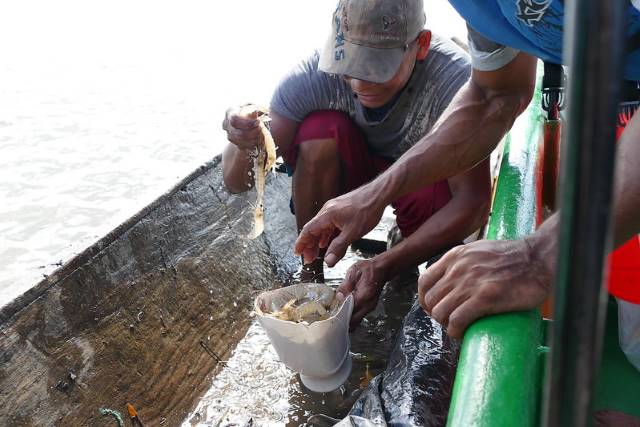 Nicaragua is a popular tourist destination but also the second most impoverished country in the Western Hemisphere. The resource-rich country has potential for significant economic growth but a long history of colonization, autocratic governments and neglect of human capital create barriers to economic growth. Agriculture is the main form of industry in Nicaragua as there are large expanses of level, fertile ground in the eastern part of the country. Fishing is also traditional to the area, especially shrimping. In the last few decades, the government began prioritizing the development of infrastructure to support aquaculture in Nicaragua in order to help fisherfolk and reduce poverty.
What is Aquaculture?
Nicaragua is one of the many coastal countries undergoing what is referred to as a “blue revolution.” Nicaragua is testing the capacity of the surrounding waters to bring significant income into the economy. This often means updating a traditional industry such as capture fishing and applying that knowledge with new technology. Furthermore, it means utilizing more environmentally sustainable practices. Aquaculture in Nicaragua was a natural step forward, as its land-based version, agriculture, is already a prolific industry. Learning how to farm the ocean is a relatively new concept but one that is gaining ground quickly in global agricultural circles.
The Global Panel on Agriculture and Food Systems for Nutrition released a brief in February 2021 detailing the benefits of aquaculture. These benefits range from increased nutrition and food security to a higher national GDP. The panel asserts that aquaculture is one of the fastest-growing aspects of the greater agricultural industry. Additionally, worldwide fish consumption is growing, creating a demand that traditional capture fisheries cannot support sustainably.
Aquaculture Potential in Nicaragua
Aquaculture programs supported by the Nicaraguan Government gained traction in the 1980s. Since then, shrimp farming has become the major export of the fishing industry. While many shrimp farms are owned by large corporations, small farmers are supported by the government and programs like the Nicaraguan Institute of Fisheries and Aquaculture (INPESCA). In 2018, INPESCA helped residents of the Palo Grande community to form fishing cooperatives and provided the necessary training to learn shrimp farming. Along with the municipal government, INPESCA then gave each of the eight fishing cooperatives, including more than 250 cooperative members, licenses to farm shrimp in designated areas in northwestern Nicaragua.
Not only does this opportunity provide people with the means of creating a steady income and access to a nutritional food source, but, many women who previously relied on their husband’s income are now able to be involved in the work. Instead of working for large companies that underpay workers, people can work for themselves earning the full price of the sold shrimp.
Looking Forward
There are serious challenges to the industry that created major setbacks. Hurricane Mitch devastated coastal properties in 1998, causing flooding and almost 4,000 total deaths in Nicaragua. Just one year later, with shrimp farms still struggling to recover, outbreaks of the fatal white spot syndrome in Nicaragua wiped out large quantities of shrimp.
In spite of past challenges, there are many exciting reasons to support aquaculture in Nicaragua. Offering stable income to uneducated citizens, economic growth for the country, affordable sources of nutritious food and a sustainable form of farming, aquaculture has an impressive array of possible benefits. The Government of Nicaragua and various international organizations continue to pursue further development of aquaculture technologies, hoping to facilitate economic growth and decrease overall poverty.
– Kari Millstein
Photo: Flickr
