Victory Farms: Developing Sustainable Aquaculture in Lake Victoria
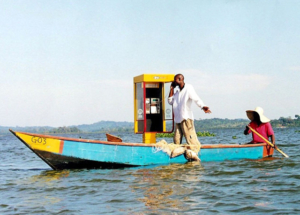 Lake Victoria is the second-largest freshwater lake in the world, neighboring Kenya, Uganda and Tanzania. With nearly 40 million people living nearby, the fisheries of the lake are a critical source of food and income for a significant number of East Africans. However, the introduction of invasive species and severe pollution all took a great toll on the ecology of Lake Victoria and reduced its fishing output, endangering the livelihood and food security of residents. Between 2016 and 2020, around 10,000 fishers stopped fishing in Lake Victoria, and the number of fishing boats and nets also showed an overall declining trend. Therefore, more work is needed to shore up aquaculture in Lake Victoria.
Troubled Waters of Lake Victoria
Lake Victoria has always been home to a very diverse ecosystem of freshwater species, many of them exclusively found there. Only 21.8% of the fish species in Lake Victoria exist elsewhere in the world. However, this ecosystem is highly fragile and endangered due to a number of reasons.
To begin with, several invasive foreign species damaged the local ecosystem. The Nile Perch was introduced to Lake Victoria in the 1950s with the intention to boost fish production, but it rapidly disrupted the entire food chain of the lake and drove local cichlid fish species to near extinction.
Water hyacinth is another invasive species that has a highly negative impact on both the ecosystem and the livelihoods of locals in Lake Victoria. Locals believe that European colonists brought it as a decorative plant due to the beauty of its flowers. However, it is also capable of rapidly growing and covering a wide portion of water bodies in a short period of time. Not only is this disruptive for boat traffic, but the plant also depletes the oxygen from the water and prevents sunlight from reaching into the lake.
Pollution is another major threat to Lake Victoria’s ecosystem. Untreated sewage, industrial waste and unsustainable land development all contribute to the degradation of water quality, which also worsens other problems such as the aforementioned water hyacinth growth.
Victory Farms
Victory Farms is a Kenya-based aquaculture startup that aims to develop sustainable fish farms in Lake Victoria. Its mission statement, according to its website, is to “tackle the challenges of rapidly declining wild fish catch in Lake Victoria, rising populations and undernourishment… while also working toward becoming the most sustainable fish farm on the planet.”
The startup produces tilapia, a popular fish in the aquaculture industry. Due to its omnivorous diet, rapid growth and resilience, it can thrive in a wide range of environments and suits well for fish farms. Victory Farms exclusively uses native tilapia species from government-certified hatcheries.
It also maintains a cold chain distribution network for their fish with a total of 84 stores across Kenya as of 2023, providing reliable access of tilapia to Kenyans. Kenyan President William Ruto also recognized Victory Farms as “the fastest growing aquaculture business” in sub-Saharan Africa.
Looking Ahead
Lake Victoria’s importance to the livelihoods of East Africans makes it crucial that efforts toward sustainable aquaculture continue. The ecosystem of the lake should be preserved for the fishing industry to continue thriving and the approach of Victory Farms is a step in the right direction.
– Junoh Seo
Photo: Flickr
