Everything To Know About Hunger in Fiji
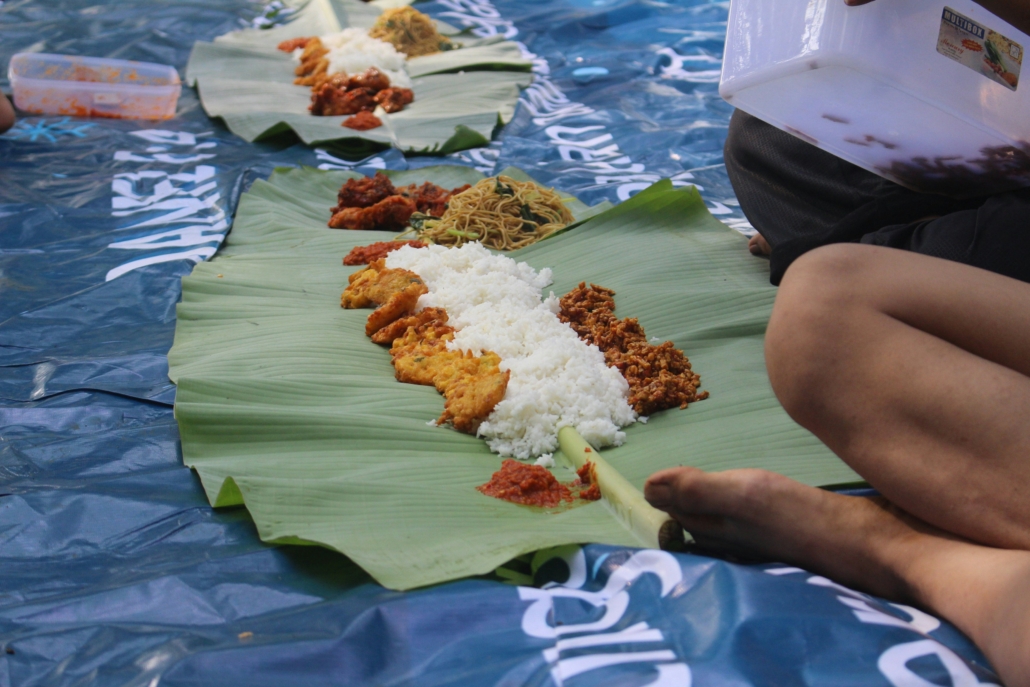 Fiji is an island nation in the South Pacific, consisting of more than 300 islands and a population of approximately 930,000 people. While it is known internationally for its tourism and bottled water exports, the country faces measurable levels of poverty, food insecurity and malnutrition. Here is what to know about hunger in Fiji.
Hunger in Fiji
According to The Global Hunger Index, in 2024, Fiji received a score of 10.2, indicating moderate levels of hunger. However, according to official statistics, approximately 11% of rural households live below the “food poverty” level (less than 25.68 FJD per week).
Fiji faces a double burden of nutritional problems, including malnutrition, micronutrient deficiencies and overweight and obesity. For example, according to UNICEF, 8% of children under 5 years of age live in “severe child food poverty,” receiving only 0–2 food groups per day.
Additionally, a third of children aged 5–19 are overweight and 70–75% of adult deaths are related to noncommunicable diseases and obesity.
Despite being a major exporter of bottled water, 12% of the population does not have reliable access to clean drinking water. The country’s best-known export, Fiji Water, is consumed globally, but water infrastructure within the country remains uneven, especially in informal settlements and outer islands.
The Cause of Malnutrition and Eating Disorders
Besides the lack of food distribution in Fiji due to the geographical location, political instability and corruption are some of the major causes of poverty in Fiji. Some of the challenges that Fiji is facing that exacerbate poverty are limited rural investment and weak food program implementation as well.
Climate events like cyclones and floods frequently damage crops and disrupt food supply, affecting thousands of households each year. At the same time, Fijians are experiencing a shift in diets: processed items that are high in sugar, salt and fat are replacing traditional, healthy foods. This has led to both undernutrition and high obesity rates. Around 8% of children under five experience severe food poverty, while a third of school-aged children are overweight.
Finally, the COVID-19 pandemic worsened food insecurity through job losses and rising prices, especially in tourism and informal sectors. Together, these issues create a cycle that keeps many Fijians, especially in rural areas, in a state of food and nutrition insecurity.
Solutions
Fiji faces a significant challenge in addressing hunger, but solutions are possible. For example, in 2019, Save the Children’s Knowledge and Action in Nutrition and Agriculture (KANA) programme provided education about the hunger situation in Fiji to the youngest generation all the way up to seniors. The program provided training, tools and seeds to farmers and schools on Ra and Koro islands. To date, the program has supported 1,171 students in nutrition education, trained 357 adults and established 33 school gardens.
Meanwhile, the Ministry of Agriculture launched Fiji’s Home Gardening Programme in March 2020 to provide seeds to farmers. By January 2022, the ministry distributed more than 1 million seed packs (four to six crop varieties) to 203,792 households. Ongoing efforts aim to assist more than 77,000 households and 500 women farmers through related programs.
Looking Ahead
Expanding initiatives like home gardening can enable families to grow their own food and cut costs. To ensure long-term food security, Fiji may also need to invest in climate-resilient farming to mitigate the impact of cyclones and floods on food production. By taking decisive steps, Fiji can build a more sustainable and secure food system for its people.
– Nika Khomenko
Nika is based in London, UK and focuses on Global Health for The Borgen Project.
Photo: Unsplash
