• Link to X
  • Link to Facebook
  • Link to Instagram
  • Link to TikTok
  • Link to Youtube
  • About
    • About Us
      • President
      • Board of Directors
      • Board of Advisors
      • Financials
      • Our Methodology
      • Success Tracker
      • Contact
  • Act Now
    • 30 Ways to Help
      • Email Congress
      • Call Congress
      • Volunteer
      • Courses & Certificates
      • Be a Donor
    • Internships
      • In-Office Internships
      • Remote Internships
    • Legislation
      • Politics 101
  • The Blog
  • The Podcast
  • Magazine
  • Donate
  • Click to open the search input field Click to open the search input field Search
  • Menu Menu
Blog - Latest News
Global Poverty

Toilets in Nigeria, Human Waste links to Diseases
toilets_in_nigeria_human_waste_diseases
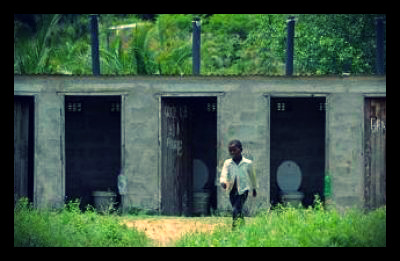
The small town of Kyuzhi in Nigeria is now giving fines to those who do not use toilets and defecate in the open, all of which is part of a water protection initiative to stop the dangers of human waste in small communities. Locals, furthermore, have the opportunity to take toilet education workshops where they learn the dangers of exposed human waste.

According to UNICEF, over 45 million Nigerians defecate in the open, an action stated as being the primary cause of high infant mortality in the country. When children are undernourished, diseases such as cholera or even parasitic infections can become deadly.

It has been over a year since members of the Kyuzhi community began to understand the problem with open defecation. By coming together and following a plan to improve community hygiene, an environmental task team was formed. They now fine 2,000 Naira or $13, to those violating the agreement and since last year only 3 have been caught defecating in the open.

Workshops in the community, moreover, allow locals to see how human waste and disease are linked.

Community leaders, women and youth take participants to an open defecation site in the forest and explain how crucial it is to stop this behavior. Mothers are now teaching their children the proper way to go to the restroom and if they see other children in non-designated sites, they seek out and speak to the children’s mothers. Several agree that this is the best way to keep the community clean and though some remain emotional about this confrontation, they are now using toilets.

More toilets and defecation sites have been set up for the locals of Kyuzhi and in due time local diseases will diminish, setting up an exemplary model for other developing communities.

– Maybelline Martez

Sources: UNICEF, DW.DE
Photo: Deutsche Welle

January 17, 2014
Share this entry
  • Share on Facebook
  • Share on X
  • Share on WhatsApp
  • Share on Pinterest
  • Share on LinkedIn
  • Share on Tumblr
  • Share on Vk
  • Share on Reddit
  • Share by Mail
https://borgenproject.org/wp-content/uploads/borgen-project-logo.svg 0 0 Borgen Project https://borgenproject.org/wp-content/uploads/borgen-project-logo.svg Borgen Project2014-01-17 22:59:042024-05-26 23:04:15Toilets in Nigeria, Human Waste links to Diseases

Get Smarter

  • Global Poverty 101
  • Global Poverty… The Good News
  • Global Poverty & U.S. Jobs
  • Global Poverty and National Security
  • Innovative Solutions to Poverty
  • Global Poverty & Aid FAQ’s
Search Search

Take Action

  • Call Congress
  • Email Congress
  • Donate
  • 30 Ways to Help
  • Volunteer Ops
  • Internships
  • Courses & Certificates
  • The Podcast
Borgen Project

“The Borgen Project is an incredible nonprofit organization that is addressing poverty and hunger and working towards ending them.”

-The Huffington Post

Inside The Borgen Project

  • Contact
  • About
  • Financials
  • President
  • Board of Directors
  • Board of Advisors

International Links

  • UK Email Parliament
  • UK Donate
  • Canada Email Parliament

Get Smarter

  • Global Poverty 101
  • Global Poverty… The Good News
  • Global Poverty & U.S. Jobs
  • Global Poverty and National Security
  • Innovative Solutions to Poverty
  • Global Poverty & Aid FAQ’s

Ways to Help

  • Call Congress
  • Email Congress
  • Donate
  • 30 Ways to Help
  • Volunteer Ops
  • Internships
  • Courses & Certificates
  • The Podcast
Link to: Lack of Media Coverage For Syrian Refugees Link to: Lack of Media Coverage For Syrian Refugees Lack of Media Coverage For Syrian Refugees Link to: Sanitation and Poverty Link to: Sanitation and Poverty Sanitation and Poverty
Scroll to top Scroll to top Scroll to top