Could 2030 See the End of AIDS?
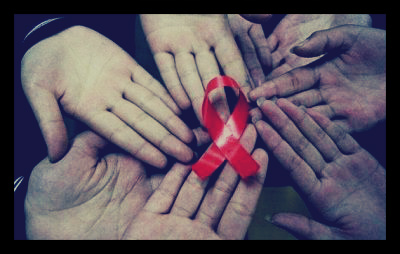
According to UN officials, the global AIDS epidemic could be over by 2030. Significant progress has been made in treatment and control of the disease. Louis Loures, a deputy executive director of UNAIDS has confidently stated, “I think that 2030 is a viable target to say that we have reached the end of the epidemic.” In addition, Loures believes that the disease’s epidemic level will decrease by that time.
Unfortunately, HIV infections still continue to be a constant problem for this society. According to Inquirer News, “three million new HIV infections are reported each year, and the disease which attacks the immune system kills 1.7 people per year.” However, Loures believes that the end of this epidemic is near. He says “we can get to the end of the epidemic because we have treatments and ways to control the infection.”
Costs for the antiretroviral treatment against HIV/AIDS have also decreased. According to medical reports, the average annual cost of treatment per person in the early 1990s was $19,000. Today, prices have decreased to $150 per treatment. Thanks to new medical developments, antiretroviral drugs have become widely available to the public. The once untreatable disease can be diagnosed early and treated with a variety of drugs.
The advancements have been so great that UNAID reports state that “the annual incidence of new infections has fallen to under 20 percent in the past decade, and in 25 countries it has fallen to over 50 percent.” These trends show a consistent and credible path to Loures’ 2030 prediction. In addition, the number of people who have received treatment has decreased to 60 percent.
On the other hand, however, vulnerable groups such as sex workers and drug users often don’t know they carry the disease or have challenges seeking treatment. According to Loures, the groups who don’t get treated will risk the health and safety of the entire population. His assumption is that if people don’t get HIV/AIDS treated and under control then “the disease will stay with us.”
Most recently, new medical advances have shown signs of a possible cure. This new drug has passed the first round of experimental testing and medical experts are confident that this might be the cure to the fatal disease.
Moreover, it is recommended that people take the necessary measures to prevent the disease. New protection campaigns by HIV/AIDS groups have arisen. More kids are being educated about the disease earlier on.
Based on all of this information, there is reasonable hope that 2030 could signal the end of AIDS. While there are still important obstacles to surmount, new medical advances, more focus on prevention and detection as well as advocacy have substantially increased the possibility of eradicating the disease.
– Stephanie Olaya
Sources: Courier Mail, Inquirer News, UNAIDS
Photo: Times Live
