Researching the Gap: Type 5 Diabetes and Poverty
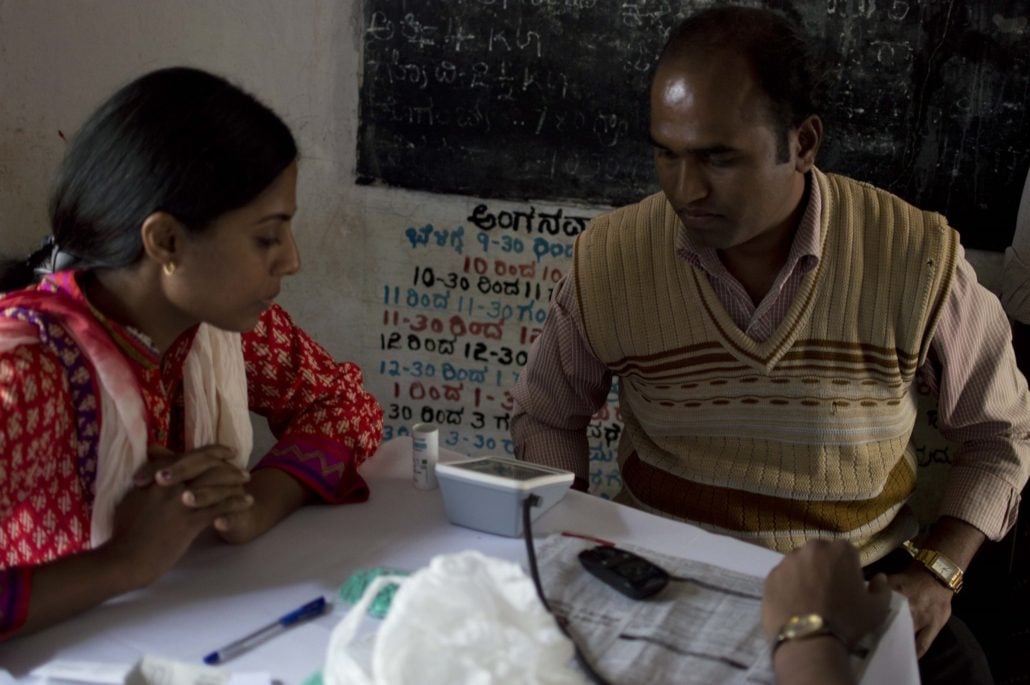 Estimated to affect between 20 million and 25 million people, primarily in South Asia and sub-Saharan Africa, type 5 diabetes was officially recognized by the International Diabetes Federation (IDF) in 2025. Due to its association with food insecurity, type 5 diabetes and poverty are closely tied, highlighting the importance of food assistance programs. Following its recognition, a working group was established to research the disease’s causes, symptoms and treatment options so care programs can be implemented.
What is Type 5 Diabetes?
Linked to chronic undernutrition during childhood and adolescence, type 5 diabetes is characterized by an underdeveloped pancreas and resulting insulin deficiency. Patients are often teenagers and young adults and typically have a lower body mass index (BMI) than people with other types of diabetes, though this research remains ongoing.
Food insecurity, maternal malnutrition and infection have all been associated with an increased risk of pancreatic impairment. Researchers posit that populations in low- and middle-income countries may be more vulnerable because undernutrition and food insecurity are more prevalent in these regions.
While insulin is an essential treatment for type 1 diabetes, for type 2 diabetes it can be prescribed but typically alongside other treatments and lifestyle changes. Treatment for type 5 diabetes is still being studied. Cleveland Clinic says providers typically prescribe insulin, while IDF describes individualized management that may include nutritional support, oral medicines or low-dose insulin.
The multifaceted nature of type 5 diabetes and the challenges of standardizing its diagnostic criteria make it difficult to establish definitive treatment guidelines. Research is therefore foundational to moving toward clearer diagnoses so targeted responses can be developed.
The IDF Working Group
Following the IDF’s recognition of the disease, a working group was established to continue research and propose treatment programs. The group is chaired by Dr. Meredith Hawkins of the Albert Einstein College of Medicine and co-chaired by Dr. Nihal Thomas of Christian Medical College in India.
Hawkins first learned of malnutrition-related diabetes in 2005. In 2010, she founded Einstein’s Global Diabetes Institute. Its research focused on diabetes cases that could not be classified as either type 1 or type 2, leading them to hypothesize that the condition has a distinct metabolic profile.
IDF explains that lack of treatment can increase the risk of complications, including retinopathy, kidney disease and nerve damage. Early diagnosis and intervention can mitigate these risks, emphasizing the importance of type 5 diabetes research in ensuring patients receive the appropriate care.
The working group aims to:
- Establish clear diagnostic criteria to distinguish type 5 diabetes from other types of diabetes.
- Develop a global registry to monitor patient development to improve treatment and diagnostic accuracy.
- Educate medical professionals so patients are appropriately treated.
The group’s research can be used to inform national diabetes programs, helping people vulnerable to type 5 diabetes and poverty receive the assistance and education they need.
Fighting Global Hunger
As experts continue to research type 5 diabetes, organizations working to eliminate global hunger are addressing undernutrition. Their work is not focused on type 5 diabetes. However, the association between chronic undernutrition, type 5 diabetes and poverty makes nutrition programs relevant to the wider conditions that increase vulnerability.
It is bringing relief packages and empowering local entrepreneurs, aiming to strengthen livelihoods and improve the quality of life in impoverished communities.
In 2025, the World Food Programme provided support for 121 million people who faced hunger due to conflict, climate extremes, disaster, inequality and food loss. Through its early-warning systems, the WFP can anticipate extreme weather events, increasing the speed of aid delivery. Furthermore, WFP coordinates humanitarian logistics through the Logistics Cluster and uses geospatial analysis to support responses following disasters.
CARE works across more than 60 countries to support community food supply, focusing specifically on women and girls to empower them as providers. Through its market access and agriculture programs, it connects farmers with other producers and consumers, improving the sustainability and interdependence of the supply chain. By creating specific opportunities for women, they work toward gender equality in food production and control.
The Hunger Project reached more than 12.7 million people in 2025, operating in 13 countries across more than 7,500 communities. Its focus on community-led, sustainable development seeks to bring the skills and resources to communities so they can support themselves. By empowering local people to be food producers and entrepreneurs, it aims to reduce food dependency and create sustainable positive change.
Looking Ahead
Despite the prevalence of type 5 diabetes and food insecurity, there are organizations in place, working to mitigate those issues. Hopefully, as organizations like CARE, the Hunger Project and the World Food Programme continue their work, food insecurity and type 5 diabetes will be things of the past.
– Elizabeth Holden
Elizabeth is based in Kent, United Kingdom and focuses on Global Health for The Borgen Project.
Photo: Flickr
