5 NGOs Providing Cardiovascular Disease Care
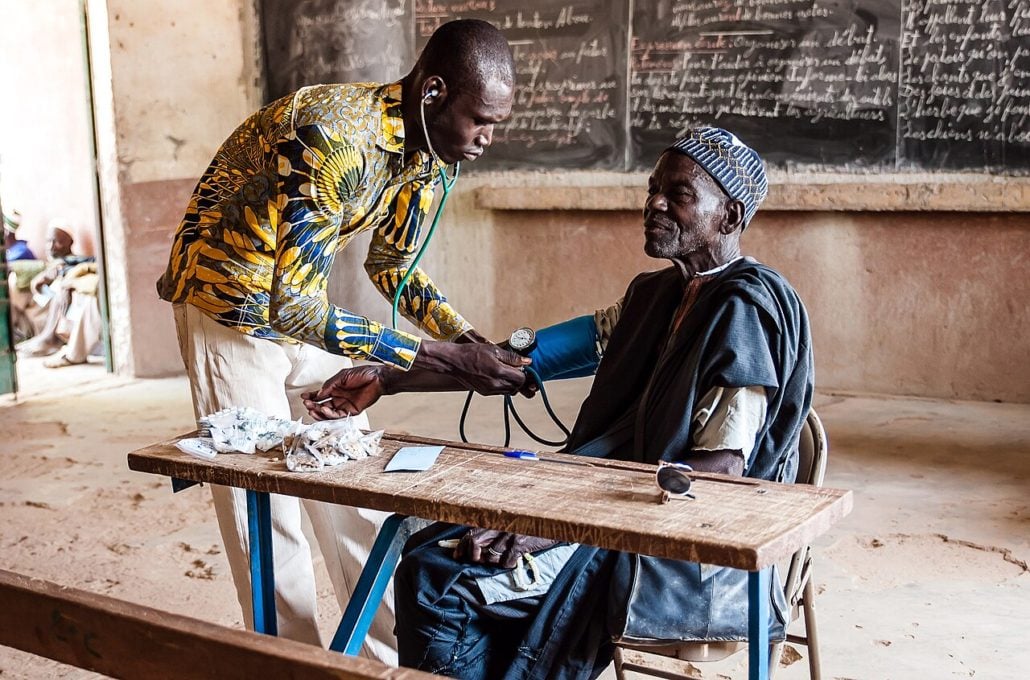
An estimated 75% of cardiovascular disease deaths occur in low- and middle-income countries. Insufficient and expensive health care and education prevent people from accessing care and early diagnosis, increasing their vulnerability. However, these five NGOs are working to address the gaps and improve cardiovascular disease care in the most affected areas.
World Heart Federation
The World Heart Federation is an international NGO working to raise awareness of the symptoms, treatment and prevention methods for cardiovascular diseases. The organization has trained more than 250 health care professionals and advocates, who work regionally to raise awareness.
World Heart Day on Sept. 29 is its flagship campaign and has reached 2 billion people. The website offers fact sheets and fliers that can be posted or printed to educate communities.
Alongside this, the federation runs regional initiatives like Colours to Save Hearts in Mozambique. The initiative used coloring to educate children about the symptoms and prevention methods for rheumatic heart disease. In the first year, it reached 60,000 children, 600 teachers and 50 health care professionals across 24 schools.
Chain of Hope
Chain of Hope helps children access cardiovascular disease care, working since 1996 to perform life-saving operations for those across Africa, the Caribbean, parts of the Middle East and Southeast Asia.
Through a referral program, Chain of Hope connects local physicians with partner hospitals to fly children out, receive treatment and recover with host families.
Alongside these operations, Chain of Hope supports local clinics by providing the training and equipment needed to provide cardiac care. In Jamaica, Chain of Hope has facilitated treatment for 400 children since 1996, and in Egypt it funded two operating theaters and 12 ICU beds to start the Aswan Heart Centre.
UMID
UMID is an Uzbekistan-based NGO working to improve the lives of diabetics in the country. Since diabetes doubles the risk of developing cardiovascular disease, UMID’s prevention work is vital to both diabetes and cardiovascular disease care.
Partnering with the Ministry of Health, UMID organizes conferences on the treatment and prevention of diabetes. On behalf of 948 members, UMID has ensured increased medical access and taught individuals to self-monitor in the family clinics of Tashkent.
Their most recent campaign, in partnership with the National Programme, is Combatting Heart Attack and Stroke. It focuses on early diagnosis and implementing cerebrovascular and cardiovascular disease care programs.
Indonesian Heart Association
Established in 1957, the Indonesian Heart Association is a research-based NGO working to develop doctors’ expertise and improve national cardiac care for patients. The association now accounts for more than 2,500 vascular specialists across the country.
Foundational to its research are 14 working groups, which explore different aspects of cardiovascular disease care to discuss at conferences with national and international experts. One can largely separate the groups into:
- Disease factors (hypertension)
- Technological treatment (echocardiography, electrophysiology, interventional cardiology)
- Demographic focus (pediatric and women’s cardiology)
In July 2026, an association scientific gathering brought together more than 2,500 local delegates and 17 international experts. Indonesian Heart Association and American Heart Association representatives also discussed future collaboration, including plans to scale the association’s Training Village and expand access to American Heart Association training programs.
Since there are currently only 2,500 cardiologists and 400 interventional specialists to treat Indonesia’s 280 million people, this training would be a significant step forward.
Salam Centre for Cardiac Surgery
Organized by Emergency, the Salam Centre for Cardiac Surgery in Sudan is one of only a few completely free cardiac surgery hospitals in Africa and the only one in Sudan. Since 2007, the center has been visited by 91,501 patients and performed 10,261 life-saving surgical interventions. Alongside the center, Emergency runs five other clinics, which have been visited by a combined 581,440 patients.
The Salam Centre primarily treats valvular complications caused by rheumatic heart disease, helping patients manage and treat this long-term condition. Unlike wealthier regions where rheumatic fever is effectively eradicated, Sudan’s poor health care facilities and restricted hygiene systems mean 1 in every 1,000 people is affected, particularly young people, who make up 56% of the center’s patients.
The ongoing conflict in Sudan has worsened health care access, increasing cardiac vulnerability. Since April 2023, there have been 217 attacks on health care facilities, leaving 37% of them non-functional as of April 2026. The World Health Organization reported that 21 million people lacked access to health services.
Despite this, the Salam Centre continues to operate, and Emergency has opened more of its satellite clinics to continue to support the vulnerable.
– Elizabeth Holden
Elizabeth is based in Kent, United Kingdom and focuses on Global Health for The Borgen Project.
Photo: Wikimedia Commons
