How Diego González Rivas is Fighting Poverty With a Mobile Surgery Unit
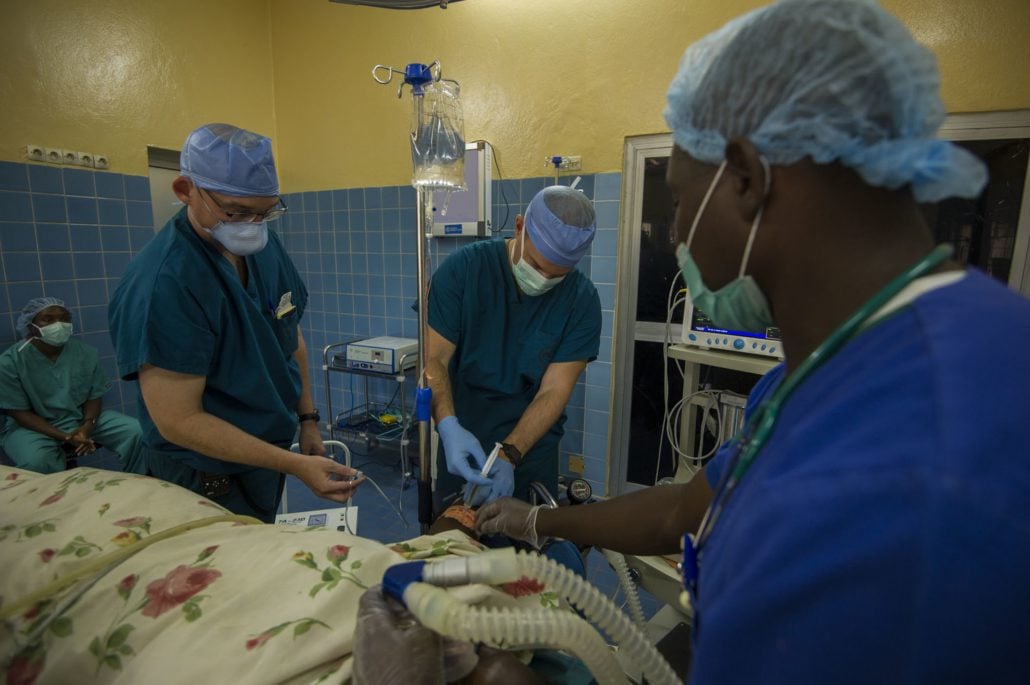
Diego González Rivas is a doctor from Galicia, Spain, who has become globally recognized for his skills as a thoracic surgeon. With 15 years of experience, his surgical feats have garnered him attention. González Rivas is the first doctor in the world to successfully perform uniportal anatomical resections using VATS (video-assisted thoracoscopic surgery). He addresses lung cancer, tumors and other life-threatening health complications. Equally impressive as his work is his dedication to sharing his knowledge, resources and skills through education and a mobile surgery unit.
Diego González Rivas Foundation
The Diego González Rivas Foundation is the catalyst for taking González Rivas’ skills to the next level. Alongside international collaboration and the support of six partners, the foundation attributes much of its success to the work of director Carla Salgado Fernández. Fernández has supported the financial growth of the foundation, raising money to continue their work in hospitals and their research in the latest science. A key component in González Rivas’ philosophy and the success of the mobile surgery unit is to keep incisions as small as possible. Thus, patients experience faster recovery times and a decreased risk of infection.
Taking Skill and Success Global
González Rivas expanded his efforts by making it possible to bring “advanced surgery to remote regions” where people live without access to adequate healthcare. The mobile unit aims to deliver advanced thoracic surgery to areas where hospitals may lack the equipment and resources necessary for complex procedures. By providing free surgical care in underserved settings, the foundation aims to reduce barriers to specialist treatment.
The mobile surgery unit has demonstrated how innovation in surgery can bypass geographic and socioeconomic barriers and how the collaboration of surgeons and new technologies can improve quality of life.
Research and Surgical Innovation
Separate from the mobile surgery program, the foundation lists artificial vision, augmented and virtual reality, nanotechnology and robotic surgery among its research and development areas. These projects explore technologies that may improve surgical precision, training and treatment. The foundation’s mobile unit is equipped to perform minimally invasive Uniportal VATS procedures in underserved settings.
Success in Ghana
In Ghana, González Rivas’s team and the mobile surgery unit have witnessed great success. In a region where thoracic surgery is “practically non-existent,” González Rivas and his team provided the “only hope for many people.” They were able to save lives, many of whom faced no alternatives. The team treated patients with conditions including aspergilloma and pneumothorax, demonstrating that complex minimally invasive thoracic procedures can be delivered through the mobile unit.
The mobile surgery unit has expanded access to specialist thoracic care for patients treated during its missions in Ghana and has also supported collaboration with local medical teams.
– Stella Corbin
Stella is based in Newark, Delaware, United States and focuses on Good News, Technology and Solutions, and Global Health for The Borgen Project.
Photo: Flickr
