The Innovative Fight Against Poverty in Papua New Guinea
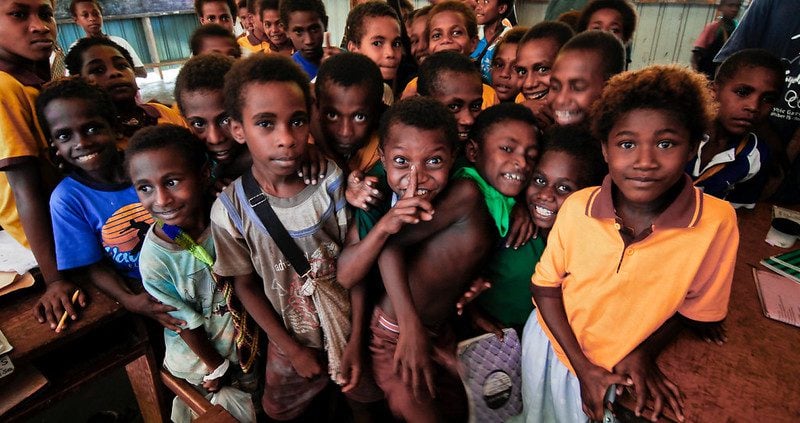 Papua New Guinea has abundant natural resources, but many people still face barriers to stable employment and economic opportunity. The World Bank reports that the country’s economy grew by 5.6% in 2025, but formal employment per person has declined over time. Many people continue to depend on informal work and subsistence agriculture. Innovations in poverty eradication in Papua New Guinea are creating new opportunities through agriculture, digital technology and renewable energy.
Poverty in Papua New Guinea
Poverty remains a major challenge in Papua New Guinea, especially for people living in rural communities. The World Bank identifies the most recent national household survey, conducted in 2009-10, found that 39.9% of the population lived below the country’s basic-needs poverty line. Papua New Guinea does not have a more recent official national poverty estimate. The World Bank identifies the country’s large rural population, poor connectivity and low levels of human capital as factors that contribute to continued poverty. These challenges are closely connected to employment. The World Bank reports that economic growth has not produced enough secure jobs for Papua New Guinea’s growing workforce. Most new workers have entered subsistence farming and low-productivity informal work rather than secure formal employment.
Agriculture and Poverty Reduction
Agriculture plays a major role in the lives of Papua New Guineans. According to the Food and Agriculture Organization of the United Nations, agriculture employs between 6 million and 7 million people in rural Papua New Guinea, with the majority involved in semi-subsistence agriculture. Smallholder farmers also produce between 80% and 90% of the country’s export crops other than oil palm. However, rural farmers have trouble reaching markets, accessing financing and receiving agricultural information. Improving these areas can help farmers increase production and turn agriculture into a more dependable source of income. Investments in infrastructure, technology and agricultural services therefore have the potential to improve livelihoods in communities where farming remains a primary source of income.
Farming and the Digital Age
Digital technology is one of the innovations in poverty eradication in Papua New Guinea helping rural farmers overcome these barriers. In 2023, the EU-funded STREIT PNG Programme provided digital training to 74 lead farmers and agrifood business participants in East Sepik and West Sepik. The training taught participants how to use smartphones, apps, social media marketing and mobile payments. Farmers also learned to access weather and climate information that could help them make decisions about their crops. These skills can help farmers communicate with customers and participate more effectively in agricultural markets. Papua New Guinea expanded its use of agricultural technology again in October 2025 with the launch of its Agriculture Management Information System. The International Telecommunication Union and FAO developed the system through the EU-STREIT PNG Programme. It provides agricultural information that can help farmers and other organizations make decisions based on current data.
Renewable Energy Expands Opportunity
Access to electricity is another major challenge for communities across Papua New Guinea. According to the Asian Development Bank, about 20% of the country’s population has access to electricity. Expanding renewable energy offers one way to provide power to communities that remain difficult to connect to traditional electrical grids. One example is taking place in the Autonomous Region of Bougainville. The United Nations Development Programme reports that more than 80% of the region’s population lacks reliable access to energy. The Pacific Green Transformation Project led to the installation of solar panels at the Innovation Hub in Buka. The project, funded by Japan and implemented with UNDP, provides renewable electricity to the Hub, which supports innovation and economic opportunities, particularly for women and young people.
Creating Jobs Through Innovation
Creating employment is an important part of innovations in poverty eradication in Papua New Guinea. In July 2026, the World Bank reported that strengthening major agricultural value chains could generate about 330,000 additional formal jobs during the next decade. The World Bank estimates that this scenario could also reduce poverty by around 5 percentage points, potentially lifting about 500,000 Papua New Guineans out of poverty. Agricultural development could be especially important because it connects economic growth with people living in rural communities. Better infrastructure, technology and market access can help farmers move beyond subsistence farming and earn more reliable incomes.
What Is Ahead
No single project can eliminate poverty, but recent developments show how technology can address several barriers at once. Digital agricultural services can give farmers better information, renewable energy projects can support communities with limited electricity and investment in agriculture could create jobs. These innovations in poverty eradication in Papua New Guinea demonstrate how new technology can support practical improvements in everyday life. Continued investment in agriculture, digital connectivity and renewable energy could give more Papua New Guineans the tools needed to build sustainable livelihoods and strengthen their communities.
– Griffin Blanco
Griffin is based in Knoxville, TN, USA and focuses on Technology and Solutions for The Borgen Project.
Photo: Flickr
