Education in the Pitcairn Islands
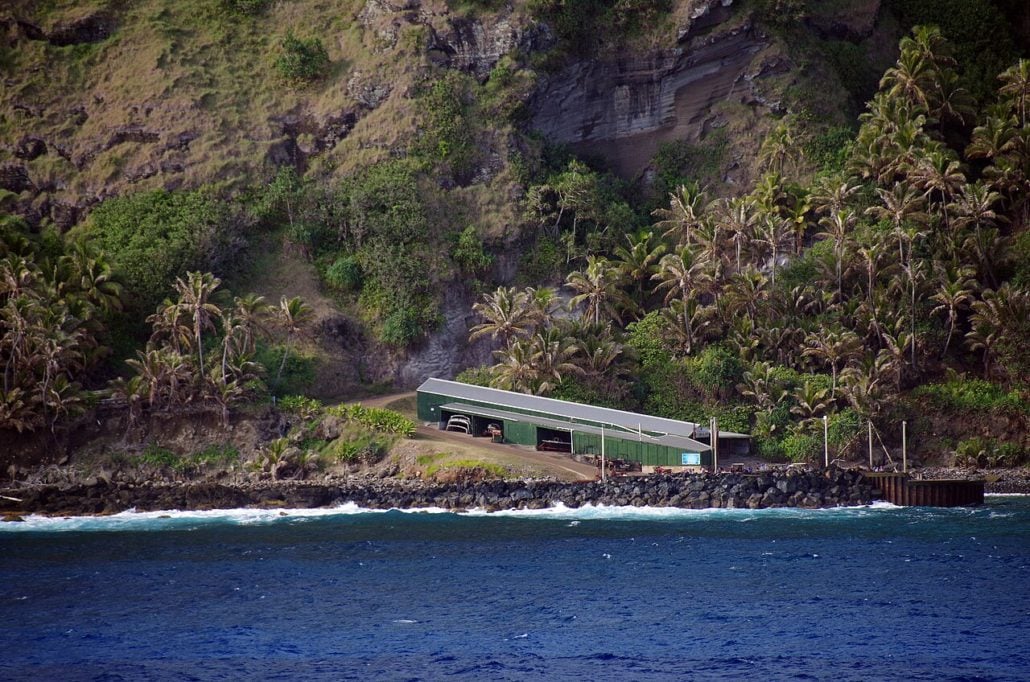
The Pitcairn Islands are a British Overseas Territory in the South Pacific, but only Pitcairn Island is permanently inhabited. Its population stood at 42 people in 2022, including residents temporarily abroad. Thus, education is a micro-system: when even one child leaves or returns, the entire school model changes. Here is more information about education in the Pitcairn Islands.
Education in the Pitcairn Islands
The Government of Pitcairn’s education policy states that education is compulsory from ages 5 to 16 and is intended to prepare children for life “both on Pitcairn and abroad.” This dual purpose aligns with the territory’s broader development context. Students benefit from local cultural continuity, but they also need qualifications that allow them to pursue further study and employment outside the island.
Historically, local education was provided through Pulau School in Adamstown. The school followed a curriculum based on the New Zealand model while also incorporating Pitcairn’s history, customs and Pitkern language. This local cultural component is important because education in very small communities often serves not only academic purposes, but also language preservation.
However, Pulau School is not currently operating as a regular school with enrolled pupils. Apparently, the school closed in 2022 because of a lack of children attending, and the remaining pupil transferred to boarding school in New Zealand. Indeed, a United Nations working paper reports that there are currently no children being educated in the local school, as the remaining students are receiving secondary education in New Zealand.
Overseas Education
This does not mean that Pitcairn has ceased providing education. Rather, education provision has shifted toward overseas pathways. The island’s budget supports overseas education, including secondary and tertiary study. When Pulau School was operating, the budget also covered the cost of an expatriate teacher. These arrangements suggest that the government continues to treat education as a public responsibility, even when provision cannot occur locally.
The reliance on New Zealand for secondary education reflects both practical necessity and structural constraint. A territory with so few children cannot easily provide the full range of subjects, peer groups and specialist instruction available in a larger system. Thus, overseas schooling can expand educational opportunities. At the same time, it may weaken the connection between young people and the island if students remain abroad for further education, work or family life.
The current situation illustrates the close relationship between education and demography in Pitcairn. The absence of pupils at Pulau School is not primarily a failure of education policy, but a consequence of population decline and limited family formation on the island. In this sense, the future of education in Pitcairn depends on tougher questions of population sustainability and return migration.
Return migration, in particular, remains uncertain. The World Health Organization (WHO) notes that young people continue to move overseas and inward migration is limited. The decision to return depends not only on family attachment or cultural identity, but also on whether there’s a meaningful role for young adults in the community. The Government of Pitcairn’s immigration page includes a settlement “skills pathway” for applicants with relevant skills that can contribute to the community.
Looking Ahead
Overall, education in the Pitcairn Islands is best understood as a hybrid model: local provision when there are enough children to sustain it, combined with overseas education pathways when local provision is impractical. The key challenge is ensuring that students receive high-quality education while maintaining meaningful links to Pitcairn’s community, language and long-term development needs.
– Jeff Zhou
Photo: Wikimedia Commons
