Read@Home Program Improves Child Literacy in Eswatini
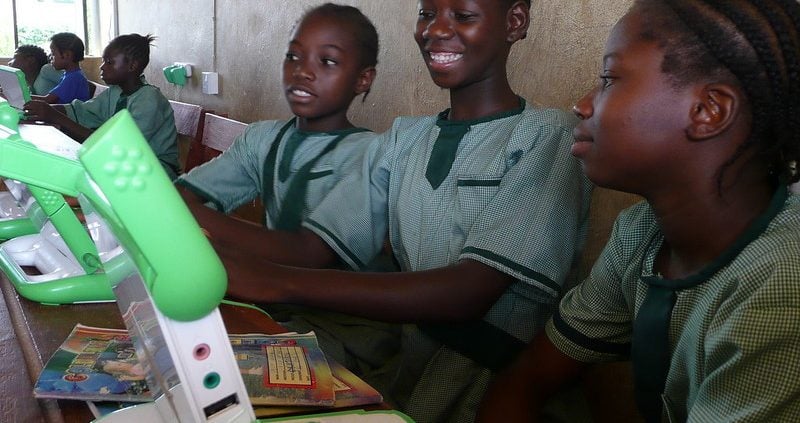 In 2020, as a result of the COVID-19 pandemic, the World Bank launched the Read@Home initiative. As schools began closing, the Read@Home initiative allowed children to learn despite those barriers. By providing books and other learning materials into homes, students continued building foundational skills in reading and mathematics.
Child Literacy in Eswatini
In Eswatini, third graders can read only about three English words per minute and about eight words per minute in SiSwati, the primary language of Eswatini.
This literacy gap exists alongside broader economic challenges in Eswatini. The country struggles with poverty, with 54% of the population surviving on only $4.20 per day. Limited employment and economic opportunities are among the challenges facing households. In fact, about 56% of young adults (15-24) remain unemployed.
Improving child literacy can strengthen children’s future educational and economic opportunities. Foundational reading and mathematics skills can help students progress through education and build skills relevant to future employment. Child illiteracy is partly driven by parents’ illiteracy, perpetuating a continuous cycle of poverty. However, by giving children the resources needed to stay in school, they gain the abilities needed to positively contribute to the economy.
The Read@Home Program
The Read@Home program is a World Bank initiative focused on improving child literacy in regions where resources are limited. Already, the World Bank has established partnerships in 18 countries. In Senegal, for example, books in both English and Senegalese languages have reached more than 2 million children. By partnering with governments and targeting families who do not have access to books and other learning materials, the program aims to improve child literacy at the source.
The Read@Home pilot has now worked to improve the literacy gap in Eswatini. The Ministry of Education in Eswatini has partnered with the World Bank to launch the Read@Home program in households across four tinkhundlas (constituencies in Eswatini’s government structure). Launched in 2025, the program primarily focused on rural, low-resource communities. The program provided 8,730 books in SiSwati and English to 546 caregivers, ultimately reaching more than 737 children.
Caregivers received home visits and coaching on how to read with their children. Teachers at early-childhood centers were similarly trained to create environments intended to promote child literacy.
Results
Expanding resource distribution beyond traditional books to include newspapers, magazines, and even church bulletins has produced promising results: nearly 78% of caregivers of children aged 3-5 reported reading more frequently with their children after receiving the resources and support. Additionally, numerous families reported seeing improvements in their child’s vocabulary and early literacy skills. Parents have also expressed more confidence in teaching their children.
Future Impact
Improving foundational reading skills improves future educational aspirations. These skills help children develop the knowledge and adaptability needed for future jobs and changing economies. By preventing learning gaps from widening, this program could potentially reduce the effects of poverty and increase economic opportunities in resource-limited settings. The Eswatini Read@Home pilot suggests that approaches such as book sharing and community-based support can help extend access to reading resources. Additionally, by providing books containing local and cultural stories, Read@Home can also strengthen children’s connection to their communities and instill a lasting love of reading.
Together, these efforts can give every child in Eswatini the foundational literacy skills and support they need to be successful both in school and beyond.
– Diya Rajkumar
Diya is based in Redmond, WA, USA and focuses on Good News and Global Health for The Borgen Project.
Photo: Flickr
