Fish Could Help Reduce Schistosomiasis in Senegal
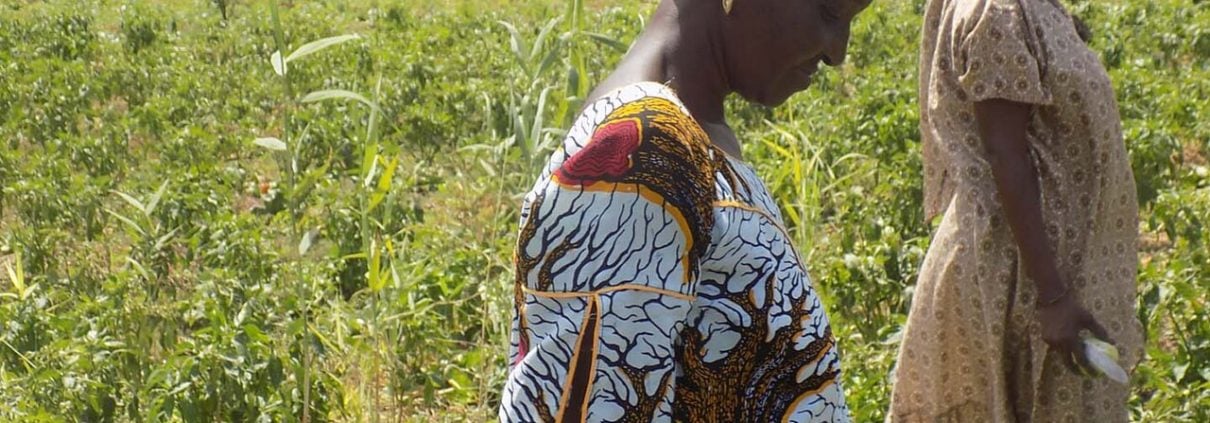 In a study with implications that could change the fight against poverty in rural Senegal, researchers working along the northern Senegal River basin found an unexpected solution to schistosomiasis in Senegal. The parasite, which disproportionately affects those facing extreme poverty, may be reduced through native fish.
Schistosomiasis, a snail-borne disease, spreads when parasite larvae released by freshwater snails penetrate the skin during contact with infested water. The resulting symptoms include abdominal pain, diarrhea, liver enlargement and kidney damage. In children, schistosomiasis can cause anemia and affect health and school attendance. An affordable solution to schistosomiasis in Senegal was found close to home, or more accurately, in rice fields. This shows researchers that when examining causes and effects of global poverty, they may not need to look far for a solution.
Neglected Tropical Disease in Senegal
Schistosomiasis is a type of neglected tropical disease, or NTD. More well-known NTDs include leprosy and rabies, but these diseases share one important fact: they disproportionately affect those in poverty. It is estimated that NTDs affect more than a billion people, with schistosomiasis prevalent in tropical and subtropical areas.
Those more likely to be infected include children who swim or play in infested water and farmers and fishers whose work brings them into regular contact with freshwater. Control of schistosomiasis relies on prevention and treatment, including preventive chemotherapy, access to safe water, improved sanitation, behavior change and snail control.
Solution of Native Fish
Researchers working along the northern Senegal River basin studied how releasing native freshwater fish in rice paddy fields could reduce the risk of schistosomiasis. The two fish, African bonytongue and Nile tilapia, thrived in the fields, even without researchers actively feeding them. Eating infected snails and competing with them for resources naturally decreased the snail population. After the release of native fish, researchers observed that paddy fields with fish carried fewer parasite-hosting snails. This could reduce the risk of infection for farmers and their families.
The effects of African bonytongue and Nile tilapia are threefold: reducing the risk of infection; improving soil nutrients and increasing rice yields by more than 25 percent; and providing farmers with an additional potential source of income through fishing.
Final Thoughts
The causes and effects of poverty are often cyclical. A health condition can create financial pressure that contributes to poverty, while poverty can increase vulnerability to health conditions. Addressing multiple elements of global poverty is necessary to find a solution. A cost-effective approach such as releasing native fish into rice paddy fields could have wide-reaching, multidimensional effects. While it does not replace serious funding, treatment and infrastructure changes, finding simple, affordable and effective solutions can make a difference.
Researchers are now exploring how rice-fish farming can be expanded across more farms in Senegal.
– Madalyn Youngbauer
Madalyn is based in Worcester, MA, USA and focuses on Good News and Global Health for The Borgen Project.
Photo: Wikimedia Commons
