TB Testing in Low-Income Communities
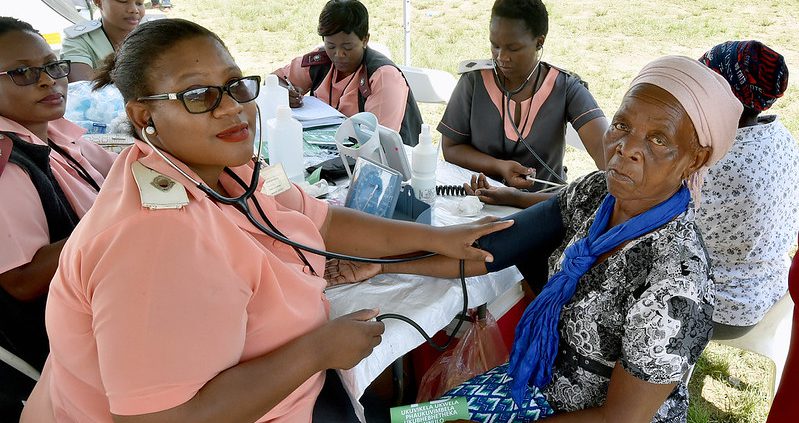 Tuberculosis (TB) remains a serious health challenge for many low-income communities. Testing can be difficult for those living far from laboratories or health facilities, delaying diagnosis and treatment. More than 80% of TB cases and deaths occur in low- and middle-income countries. Better access to rapid TB testing could facilitate earlier diagnosis.
TB also imposes financial pressure on families with limited incomes. For families already struggling financially, travel, testing and time away from work add up quickly. The World Health Organization (WHO) states that about half of people with TB and their households face serious financial costs. Easier access to diagnosis could reduce some barriers these families face.
Bringing Testing Closer to Communities
New rapid TB tests make it possible to bring testing closer to low-income communities with limited laboratory access. Tests are portable, easy to use and can run on battery power. They provide results in less than an hour, helping people get diagnosed and start treatment sooner.
These tests are also affordable. The WHO reports they cost less than half as much as many molecular tests. Another option is using a tongue swab, which assists those who have difficulty providing a sputum sample, making it easier for more people to get tested for TB.
In 2026, the Global Fund initiated an effort to bring rapid TB testing to 13 countries. Nearly 3 million tests will be provided to countries including Bangladesh, Ethiopia, Kenya, Nigeria, South Africa and Zambia. This effort is crucial, as an estimated 10.8 million people became ill with TB in 2024, and millions were still not diagnosed or officially reported. This initiative could help identify more TB cases earlier. The Global Fund is collaborating with the Children’s Investment Fund Foundation and the Aurum Institute on this program. They will assist countries in training health workers and implementing the new tests, facilitating broader reach.
Introducing new TB tests requires preparing health systems. The Stop TB Partnership collaborates with countries to improve their TB testing networks and optimize new tools. This includes assessing where tests are needed, how they can be integrated into health services and how they are used. This work can make rapid TB testing more widely available.
Importance of Early Diagnosis
Early detection of TB is crucial. Starting treatment sooner aids recovery and reduces the spread of TB to others. Without treatment, TB can become severe and lead to death. Easier access to testing helps individuals learn about their TB status earlier and receive necessary care. For those with limited health care access, early testing is challenging due to travel distances, costs and limited options. Faster, more accessible testing could reduce these delays and provide more opportunities for early treatment, according to the Centers for Disease Control and Prevention (CDC).
The expansion of rapid TB testing offers hope in low-income communities where testing has been difficult. As new tests become faster, more affordable and easier to use, more people could receive earlier diagnoses. As more countries adopt these tests, they could play a significant role in improving access to TB care and ensuring more people receive necessary treatment.
– Mert Sungur
Mert is based in Bursa, Turkey and focuses on Technology and Global Health for The Borgen Project.
Photo: Flickr
