India’s Lakhpati Didi Initiative: Increasing Women’s Income
 In Nongrah village in Meghalaya, India, a middle-aged woman, Lanawanka Lamin, runs a small grocery store-cum-tea shop serving her local community. Stocked with everyday essentials and simple refreshments, the shop has been an important source of income for her family. Before this shop, her earnings were limited, barely enough to meet daily needs.
In 2021, she joined her local self-help group, which provided her with a small loan to start her business. She began as a street vendor, but as business boomed, with access to a larger loan and training from local officials, she gradually expanded it into a grocery store and tea shop.
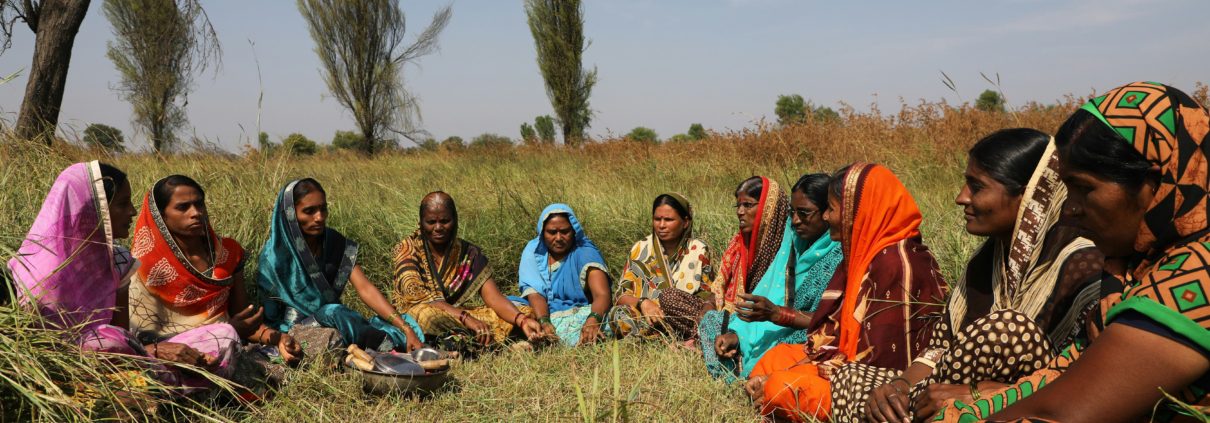
Today, Lanawanka is one of millions of women across India who have benefited from self-help groups under the Lakhpati Didi initiative by the Ministry of Rural Development. She is what the government now calls a “Lakhpati Didi”: a member of a self-help group earning at least ₹1 lakh annually. The term signals more than income. It points to a broader shift, from irregular, precarious earnings to more stable and sustainable incomes for rural women. Implemented through the Deendayal Antyodaya Yojana–National Rural Livelihoods Mission (DAY-NRLM), the Lakhpati Didi initiative aims to support women in achieving an annual income of more than Rs.1 lakh and a decent standard of living through livelihood diversification, skill development and financial literacy. To qualify, this income must be sustained over at least four agricultural seasons or business cycles, with an average monthly income exceeding Rs.10,000.
From Credit to Livelihoods
This transformation is driven by a combination of community support, skill-building and access to new economic opportunities. To enable women to become Lakhpati Didis, the ministry first identifies potential Lakhpati Didis and then establishes a ground support and resource system. These capacity-building institutions and resource persons provide women with training, assets and funds through credit while offering continuous guidance to help them develop and sustain their livelihoods. The 2026 to 2027 Union Budget allocated Rs.17,280 crore to DAY-NRLM to invest in rural women’s livelihoods. By early 2026, 30 million women in self-help groups (SHGs) attained the Lakhpati Didi status.
This program is not merely a financial initiative to support basic livelihoods but one that enables steady incomes and builds long-term economic resilience among rural women. The initiative positions rural women as the drivers of local development, moving from “Welfare to Women-Led Development.”
Diversifying Livelihoods
The Lakhpati Didi initiative has supported and guided SHG members to start businesses across different sectors, including dairy, poultry, food processing, tailoring, retail and agri-services, diversifying the family income. In Magurchara village of Tripura, women at the local Self Help Group — Nari Shakti Mahila Dal — have achieved an average income of Rs. 25,000 to 30,000 per month, which is 2.5 times the scheme’s requirement. The impact is not merely a question of increasing household incomes but also of diversifying them.
In Chhattisgarh, Janki Verma was able to access a loan under the scheme, enabling her to expand her sewing business and increase her annual earnings from ₹12,000 to ₹2.24 lakh — an increase of almost 19-fold. Businesses like those of Janki and Lanawanka are not simply boosting household incomes; they are becoming an important safety net in rural communities, where livelihoods are often seasonal and dependent on climate and agricultural conditions. In the event of a climate shock or a poor harvest, families with diversified sources of income have an additional livelihood to fall back on, reducing their dependence on a single and unpredictable source of income.
Building a Path Out of Poverty
The poverty-reduction significance of Lakhpati Didi lies not simply in helping women cross the ₹1 lakh annual income threshold, but in helping households build more stable and sustainable sources of income. For rural households vulnerable to seasonal employment, agricultural losses and unexpected expenses, diversified livelihoods can provide greater financial security and reduce the risk of falling deeper into poverty.
Rural households with higher and more reliable incomes may also have greater resources to spend on essential needs such as food, education and health care. By strengthening women’s earning capacity and helping households, Lakhpati Didi can contribute to reducing financial vulnerability, improving household well-being and creating pathways toward greater economic security.
A national impact evaluation of DAY-NRLM, conducted across nine states, found that women in participating SHGs experienced a 19% increase in income, alongside a 28% increase in household savings and a 20% decline in reliance on informal loans. The study also found a 4% higher proportion of women reporting secondary occupations in treatment areas, suggesting greater livelihood diversification.
As of June 2026, 34.6 million SHG members have been enabled as Lakhpati Didis. Ketki Bai Patel from Chhattisgarh is one of the millions who have achieved the Lakhpati Didi initiative status through vegetable cultivation and marketing with help from her local SHG. Her annual income has now crossed 3.5 lakhs, allowing her to build a brick-and-concrete home, buy a power tiller, and acquire an additional 5 acres of land where she now cultivates paddy.
Building Economic Security; Empowering Women
The effects of this economic security can also reshape women’s roles within their households and communities. Access to a stable source of income not only enables women to contribute more consistently to their families’ financial well-being but also provides greater financial independence and can potentially strengthen their decision-making power within households. A study on the impact of financial independence on women’s decision-making power by Dr. Shravni Sagar and Dr. Geeta Senger reveals that financial independence enables women to participate more in routine household decisions, including health care, expenditure and education. While the study was focused on Lucknow in Uttar Pradesh, an urban setting, its findings offer insight into how greater financial autonomy can influence women’s roles within their households. This can offer a useful lens for considering how increased financial independence through initiatives such as Lakhpati Didi may influence decision-making among rural women.
As women secure loans, participate in digital payments and open savings accounts, they can develop greater financial and digital literacy. Many women in remote areas face a significant digital divide, limiting their ability to navigate digital payments, e-commerce platforms and online businesses. As the Lakhpati Didi scheme expands, participating women will not only have greater access to credit and savings but will also increasingly need to navigate digital payments, e-commerce and other digital tools to manage finances and grow their businesses. This presents an opportunity to bridge the digital divide by equipping rural women with the skills and confidence to participate more fully in the digital economy.
– Maliha Khan
Maliha is based in Srinagar, Kashmir and focuses on Good News and Technology for The Borgen Project.
Photo: Unsplash
