Digital Birth Registration and Poverty
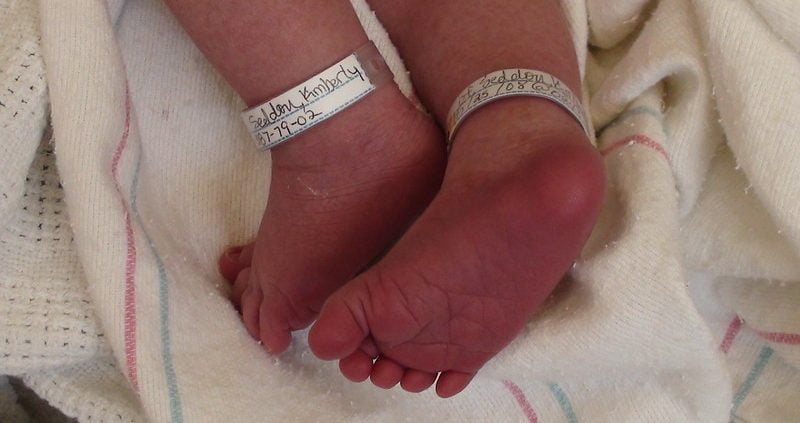 Birth registration is considered a universal human right, but it is not achieved universally. While in industrialized nations, birth registration is almost universal, the same cannot be said for middle- and low-income countries where more than 150 million children under the age of 5 remain unregistered and unaccounted for. Ethiopia and Somalia have some of the lowest birth registration rates in the world. As of 2025, Ethiopia’s birth registration rate stood at around 37%, while Somalia’s rate remains among the lowest globally at just 3%. Both classified as low-income countries, Ethiopia and Somalia have increasingly high poverty rates with around 70% of both populations experiencing multidimensional poverty.
Vulnerabilities of Unregistered Births
Without birth registration, children become vulnerable to a wide range of human rights abuses and exploitation as their lack of legal documentation deprives them of essential rights, services and protections. Legal documentation is needed to access almost every aspect of human life; it is needed to access education, health care, social protection and justice. Without these basic rights, children become particularly vulnerable to severe exploitation including forced marriage, child marriage, child labor, recruitment and child trafficking as they cannot prove their age and lose child protections.
These vulnerabilities follow children into adulthood as their lack of documentation prohibits them from opening a bank account, registering to vote, receiving a passport, entering the job market or buying and inheriting property.
Barriers to Birth Registration
The main barrier to birth registration is poverty as registration fees and accessibility constraints make birth registration inaccessible for many poor families living in rural areas. Birth registration centers are typically located in urban areas, creating physical geographic barriers, while registration fees and transportation costs prevent many families living in poor households from being able to afford birth registration. This traps families in a vicious cycle of poverty as they cannot register their children’s births due to a lack of income and cannot access education or employment due to a lack of birth registration.
Digital Birth Registration Solutions
For these families, digital birth registration is opening doors out of poverty as it allows poor families living in rural areas to register their children’s births remotely. Digital birth registration systems work by utilizing technology to log children’s births. They do this using advanced smartphone applications which can be operated by health care workers, local leaders and registrars to upload birth details in rural areas quickly and efficiently. This information is then virtually transmitted to registration centers, generating a permanent record of birth and a formal means of identification.
Initiatives and Impact
The relationship between digital birth registration and poverty is particularly important in these countries because digital birth registration provides a solution to many of the poverty-induced barriers preventing parents from being able to register children’s births and is already being used in several countries to overcome physical barriers in rural areas. A key initiative launched in 2016 by United Nations Children’s Fund (UNICEF) in partnership with Telenor Pakistan and other local governments is helping to increase birth registration rates in various provinces in Pakistan using mobile phone devices to collect birth data from rural communities. During the pilot phase alone, the program registered 770,000 new births, representing a 200% increase in birth registrations.
In 2023, a similar program was introduced in Somalia by UNICEF in partnership with the Ministry of Interior Affairs and Federal Reconciliation and various other member state governments. Dedicated to increasing birth registration rates in Somalia, it scheduled a five-year strategic plan to improve birth registration services using digital birth registration tools such as tablets operated by local registrars, health workers and public officials to record birth information. In the last two years alone, it has registered more than 43,000 births.
Final Thoughts
These initiatives create enormous hope for millions of children around the world whose births are currently unregistered. Despite severe discrepancies in birth rates between high-income and middle- and low-income countries, digital birth registration is opening doors out of poverty for millions of children. For children in low-income communities, digital birth registration and poverty reduction can go hand in hand by removing barriers to essential services and opportunities. Addressing digital birth registration and poverty together helps governments to reach vulnerable families in rural areas who are often excluded from traditional registration systems.
– Ameerah Mai Lebaqa
Ameerah is based in Bath, UK and focuses on Technology and Solutions for The Borgen Project.
Photo: Flickr
