The Future of Sanitation and Clean Water in Papua New Guinea
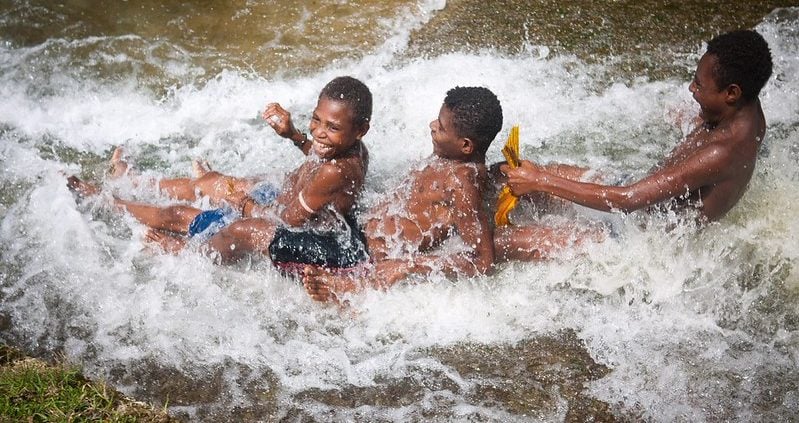 Clean water, sanitation and access to toilets are basic life necessities. According to UNICEF, 66% of people in Papua New Guinea do not have access to clean drinking water and more than 76% lack access to safe toilets. This scarcity leaves citizens vulnerable to preventable diseases, with water- and sanitation-related diseases among the leading causes of death for children under five.
Multiple organizations support water, sanitation and hygiene in Papua New Guinea, including UNICEF and WaterAid, while the World Health Organization provides global health guidance on the risks associated with unsafe water and sanitation.
Spread of Disease
Without clean water or proper sanitation, individuals in Papua New Guinea face exposure to a wide range of preventable diseases. The World Health Organization links contaminated water and poor sanitation to diseases including cholera, diarrhea, dysentery, hepatitis A, typhoid and polio.
Some of these diseases cause discomfort, while others pose serious risks to vulnerable individuals, including young children. WHO data show that Papua New Guinea continues to face a substantial under-five mortality burden, while UNICEF identifies water- and sanitation-related diseases as leading causes of death for children under five.
UNICEF Solutions
UNICEF focuses its assistance on children and adolescents, finding solutions that promote sanitation and water access within schools and communities. In Papua New Guinea, UNICEF supports governance systems and budgets and helps strengthen national and sub-national authorities’ capacity to invest in WASH services for health facilities, schools and communities.
UNICEF also collaborates with the Papua New Guinea government to build capacity for emergency preparedness, response and resilient recovery from climate and non-climate-related disasters.
WaterAid’s Initiatives
WaterAid is an international organization dedicated to improving access to clean water, toilets and hygiene. In Papua New Guinea, where WaterAid reports that around three-quarters of the population do not have a decent toilet of their own, its work focuses on strengthening WASH services and supporting communities and local systems.
Its goals include improving access to reliable, resilient and inclusive water, toilets and hygiene services within communities and schools.
Accomplishments
Funding for WASH services has been a challenge, but WaterAid has assisted more than 50,000 people in Papua New Guinea with water, sanitation and hygiene services, according to Agenda for Change.
UNICEF also works to empower communities and strengthen government systems so local actors can address WASH needs themselves.
The efforts of these organizations to help the Papua New Guinea government support its citizens bring hope for a future where fewer people live without these basic necessities.
– Angelica Ciaravino
Angelica is based in Toronto, Canada and focuses on Good News and Global Health for The Borgen Project.
Photo: Flickr
