A Shift Toward Ethics: UN Involvement in the DRC
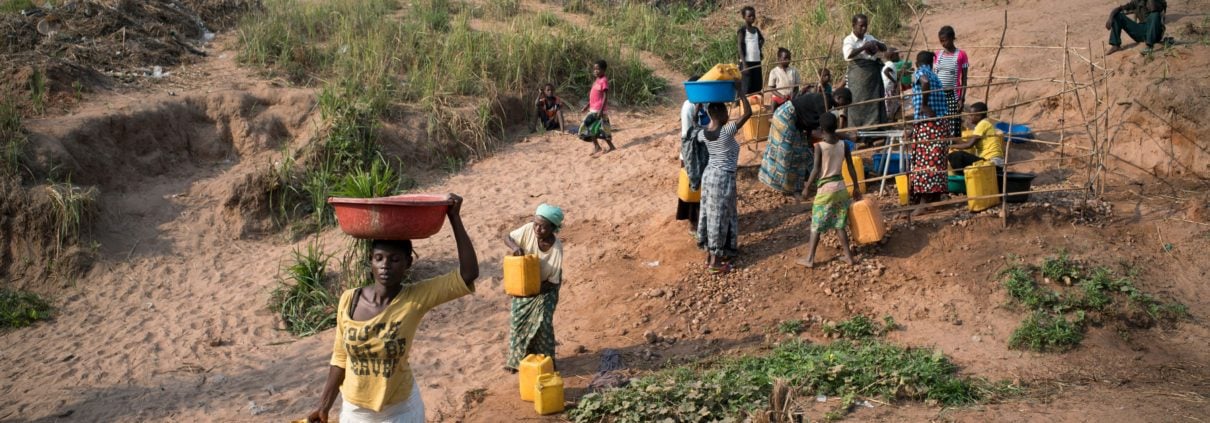 The Democratic Republic of the Congo (DRC) is a Central African country with beautiful landscapes and lush green mountains. The nation is dense with natural resources like cobalt, a highly sought-after resource in today’s economy because it is used in batteries of electric vehicles. The DRC is currently the world’s largest supplier of cobalt. Despite this, the DRC is still considered a less-developed country. This untapped resource potential should mean the DRC is the richest country in the world, but that has not been the case. The mining, export, and production processes are plagued by smuggling, corruption, child labor and armed group conflicts. The United Nations (U.N.) involvement in the DRC cobalt production becomes vital to transform the current climate. The focus is on using the demand for this dense natural resource for sustainable economic development and growth, instead of perpetuating armed violence, forced coercion and child labor.
The United Nations has committed to multiple panels, forums, and invested resources in programs focused on responsible mining practices and ethical working conditions. Such programs include the United Nations Guiding Principles to Guide Global Energy Transition (UNGPGET). The U.N. notes that without proper management, increasing demand for critical minerals risks perpetuating commodity dependence, which is the current reality for people in the DRC. Fortunately, there are other programs that focus on concrete steps for the Democratic Republic of the Congo to follow.
Are UN Programs Doing Enough?
The Democratic Republic of the Congo’s poverty rate increased from 69.9% in 2012 to 78.9% in 2020, according to World Bank data. This indicates a country in need of aid. The U.N. Secretary-General’s Initiative on Critical Energy Transition Minerals is a task force involving the DRC, launched in 2025 that focuses on five pillars to implement the UNGPGET principles. These pillars include value addition, traceability, a global mining legacy fund, artisanal and small-scale mining, as well as circularity and material efficiency. The Responsible Minerals Initiative (RMI) also works with the DRC to promote sustainable economic growth while promoting ethical practices for the extraction and production of cobalt. Their programs in the DRC include collecting risk data to fund improvements in artisanal and small-scale mining sites (ASM). They also fund vocational training for at-risk youth as an alternative to working in the mines. The programs funded by the RMI are important to promoting economic growth and development by providing alternatives to mining, like education. Collective action is crucial in cases like the DRC involving unethical treatment, corruption and natural resource dependency. Programs with RMI support U.N. involvement in DRC cobalt production, making it as safe and ethical as possible.
Working Toward Standards of Human Rights
Due diligence processes have become important in bringing about a shift toward ethical mining practices. One of the biggest mines operating in the famous “Copperbelt” of the Democratic Republic of the Congo, the Kisanfu mines, has set forth a clear due diligence standard. Guidelines include no toleration of torture, cruel or inhumane and degrading treatment, forced or compulsory labor and the “worst” forms of child labor. These standards set forth clear treatment expectations, with violations resulting in suspension or discontinuation of engagement. The other major mine in the Copperbelt is the Tenke Fungurume mine. This mine does not set forth clear standards but has contributed to sustainable growth and development in four areas: education and capacity building, access to savings and credit, construction of production and conservation infrastructure and agriculture.
DRC Enacts Cobalt Export Ban
Earlier this year, the Democratic Republic of the Congo’s government enacted a ban on exporting cobalt in hopes of retaining more value from these minerals in the form of sustainable economic growth and development. This is not the first ban on cobalt exports; the DRC enacted multiple bans in 2013, 2019 and 2023. Christian-Gerand Neema, a mining analyst for China-Global South Project, expects this ban to have little effect on the DRC economy because “the majority of Congo’s cobalt and copper is already refined domestically.”
Looking Ahead
While the U.N.’s involvement in DRC cobalt production is a good start and their programs lay out important guidelines, countries involved in armed conflicts from coups or violence from governments tend not to follow these guidelines until sanctions are placed upon them by international organizations. This is where the Due Diligence Standards are beneficial. However, there is an obvious need for more. While these programs and standards aim to stop unethical or inhumane treatment in the mines or mining communities, violence and armed conflict remain prevalent. Major sanctions placed upon the DRC by external actors with capital could leverage this position.
– Lily K Gibson
Lily is based in Bristol, CT, USA and focuses on Global Health and Politics for The Borgen Project.
Photo: Pexels
