Everything To Know About Poverty in Somalia
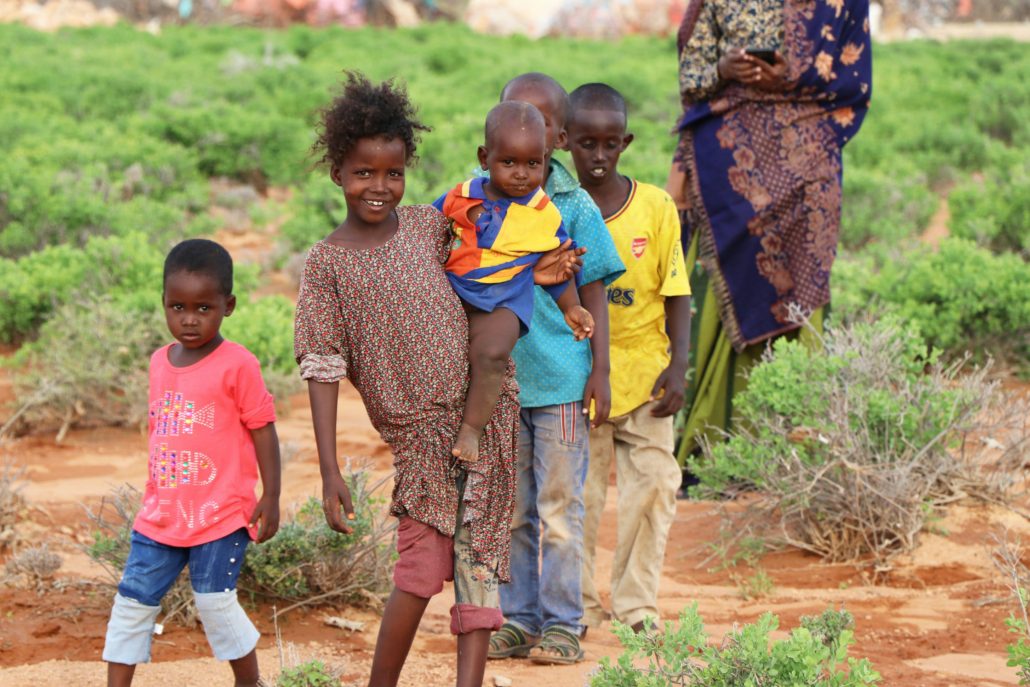 Somalia is one of the poorest countries in Africa, with seven in 10 people living on less than 1.90 USD a day. A combination of factors has contributed to this increasingly dire situation; decades of conflict, foreign aid restrictions, rising domestic costs and recurring climate shocks have led to a prolonged humanitarian crisis that continues to affect millions of people today.
5 Things to Know About Poverty in Somalia
- Somalia Has One of the Highest Rates of Child Malnutrition in the World: Somalia is experiencing severe food insecurity due to the climate crises as severe drought destroys crops and livestock. Millions of people are experiencing food insecurity, and 1.8 million children are facing acute malnutrition. Severe reductions in humanitarian foreign aid have intensified this food insecurity, stalling access to humanitarian assistance for millions of people. Meanwhile, geopolitical instability and global conflict has drastically raised food prices and living costs, exacerbating pressure on families and pushing millions of people into poverty.
- Somalia Has One of the Lowest Life Expectancy Rates in the World: Poverty in Somalia drastically reduces life expectancy. With an average life expectancy of just 61 for females and 56 for males, Somalia consistently ranks among the top 10 countries with the lowest life expectancy globally. Prolonged conflict and recurring climate emergencies have resulted in mass displacement, food insecurity and malnutrition, poor healthcare facilities and damage to critical infrastructure resulting in poor health, uncontained infectious diseases and low mortality rates.
- Poverty in Somalia Is Multi-dimensional: Two-thirds of people in Somalia are multi-dimensionally poor meaning that they are deprived in more than one aspect of life with poverty spanning education, healthcare, living standards, services and inclusion. About 70% of children under the age of five and more than 80% of children aged 5-17 years old experience deprivation in at least two of these dimensions while 67% of those in poverty lack access to more than half of their essential needs.
- The Nomadic Population Is Especially Vulnerable: Poverty affects all segments of society but for the Nomadic population, poverty in Somalia is especially extreme with 81% of the population living below the poverty line. Nomadic communities experience multi-dimensional poverty including both monetary and non-monetary poverty. While more than 80% of the Nomadic population suffer from income poverty, almost 100% also lack education, sanitation, flooring materials and other non-monetary means. With the majority living in rural areas, the Nomadic community is especially vulnerable to climate disasters such as extreme drought, which repeatedly destroys their livestock and deprives them of their livelihoods.
- Somalia Has One of the World’s Largest Out-of-School Populations: About 58% of children are unable to attend education. On average, Somalian children receive just 1.7 years of schooling in their lifetime as conflict and climate shock persistently disrupts their education. Military attacks on schools by militant groups and clan-based rivalries poses a severe threat to children who are vulnerable targets for abduction, forced recruitment and sexual violence while recurring climate catastrophes such as, severe drought has forcibly displaced hundreds of thousands of families searching for food and water.
Despite these external difficulties, Somalia has shown immense resilience in the face of hardship and continues to make progress in spite of challenging conditions.
The HIPC Initiative
In December 2023, Somalia completed the Heavily Indebted Poor Countries initiative (HIPC) following the implementation of several key reforms by the Somali government.
The International Monetary Fund (IMF) and the World Bank’s International Development Association established the HIPC initiative in 1996 to provide highly-indebted countries with a framework to achieve reform. Following monitored commitment to these goals, the initiative offered Somalia interim debt relief to help the country address their developmental needs and reallocate money to poverty reductionist programs and public services.
Through this relief, Somalia has cleared almost all of the country’s external debt allowing new opportunities for economic growth, poverty reduction and job creation.
The DPF Operations
Following the completion of the HIPC initiative, the World Bank awarded Somalia two Development Policy Financing Operations in 2024 and 2025 supporting crucial policy reforms to sustain economic growth and developmental progress. These included the provision of microfinance and drought index insurance to help vulnerable groups cope with climate shock and investments in renewable energy generating more affordable sources of electricity for communities. Through these reforms, the DPF operation actively helps the country to increase revenue, fund public services, maintain economic stability and build economic resilience in the face of external vulnerabilities and environmental fragility.
The ZamZam Foundation
On the ground, national reforms are being supplemented by the lifesaving work of humanitarian organizations. One NGO providing essential services to communities on the ground is the Zamzam Foundation which was established in 1992 to support families through the impacts of famine and war. Today, it remains the largest national humanitarian organization operating in Somalia, providing emergency relief to millions of people affected by poverty.
In 2025 alone, the ZamZam Foundation supported 2.63 million people with lifesaving aid and essential services, including emergency relief, education, healthcare, clean water, social care, peacebuilding and livelihood programmes.
Looking Ahead
These recent achievements illustrate that Somalia’s humanitarian needs are not a hopeless cause. Despite the real and severe difficulties the country faces, Somalia has achieved remarkable milestones over the past decade which provide hope for the country’s long term stability. With continued governmental and international investment and sustained humanitarian support, Somalia can continue to improve its economy and reduce poverty for its population leading to long-term prosperity and growth.
– Ameerah Mai Lebaqa
Ameerah is based in Bath, UK and focuses on Good News and Politics for The Borgen Project.
Photo: Unsplash
