How Thermal Imaging Protects Wildlife After Dark
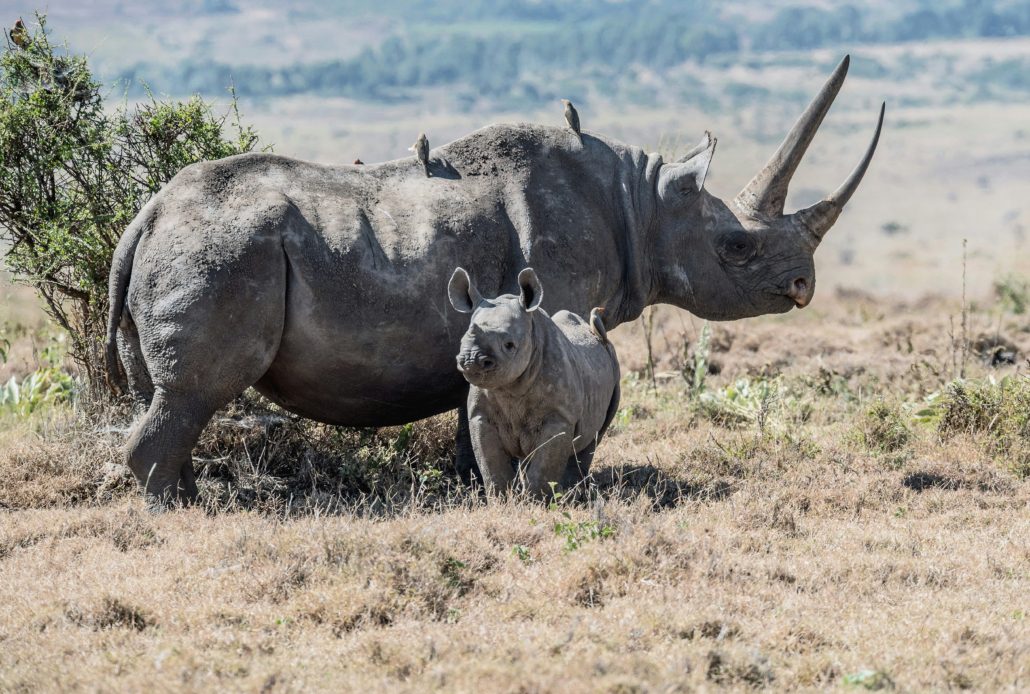
Learn how thermal cameras detect heat after dark and how Kenyan conservation teams use the technology to strengthen black rhino protection efforts.
Protecting black rhinos is difficult across Kenya’s large reserves. Without tools that improve visibility during nighttime patrols, rangers may struggle to detect threats to the animals.
Standard cameras cannot produce details in the dark. Thermal sensors trace heat instead of visible light. Across Kenya, conservation teams use these systems to watch vulnerable areas and respond to suspicious movement. Understanding thermal imaging for wildlife protection reveals how precise technology supports local expertise in demanding environments.
How Thermal Cameras Read Heat
Every object above absolute zero emits infrared energy. A thermal camera collects this radiation through a specialized lens and directs it onto a detector. The detector measures temperature differences across the scene and translates those values into an electronic image.
Conventional image intensifiers work differently because they amplify available light from the moon or stars. Thermal imaging is one of the types of night vision systems that are useful in complete darkness. It does not depend on visible illumination. Heat contrast lets a person or vehicle stand out against vegetation. Trained operators must interpret each image alongside local conditions.
Kenya’s Rhino Protection Network
Rhino poaching affects more than wildlife populations. Because nature-based tourism supports employment and income across Kenya, losses among iconic species can harm guides, accommodation providers, local businesses and communities near protected areas.
Kenya provides a clear example of thermal imaging in field conservation. The World Wildlife Fund (WWF) and its partners support camera systems across black rhino areas. Fixed units monitor boundaries, vehicle-mounted cameras extend coverage during patrols, and the sensors reveal heat signatures. Once the staff has the images, they assess the movement and decide how to respond.
Local Training and Implementation
Local decision-making remains central to the deployment and sustainment of these systems in the field. Remote training allowed the staff at Ol Pejeta Conservancy not only to use thermal equipment but also to take part in designing and installing it themselves. In addition, teams learned to operate, troubleshoot and maintain each system, significantly reducing dependence on visiting engineers and external technical support.
This locally led approach was later extended to other protected areas. WWF reports that partners installed a large-scale thermal monitoring system at Solio Game Reserve in 2023, a site that holds around 30 percent of Kenya’s rhino population. Since the installation, Solio has recorded no wildlife poaching incidents within its boundaries.
The Infrastructure Behind Reliable Detection
A camera provides little value when power fails or alerts cannot reach rangers, so conservation teams first build dependable infrastructure before deploying thermal systems. Remote sites require stable electricity, secure mounting and strong communication links that transmit data in real time.
Solar equipment often powers locations beyond the reach of an established grid, and it allows teams to maintain surveillance in isolated terrain. These systems must handle harsh weather and long distances while maintaining consistent performance. When all components work together, rangers receive timely alerts that help them respond quickly and effectively in the field.
Technology Supports Conservation Teams
Protecting rhinos preserves the wildlife experiences that attract visitors and support jobs in nearby communities. Through using thermal cameras for wildlife protection, trained teams will be able to identify more threats after dark. Combined with local expertise and dependable infrastructure, the technology strengthens ranger awareness while supporting conservation and local economic stability.
– Kelly Schoessling
Photo: Unsplash
