Vocational Education Training Centers in Iran
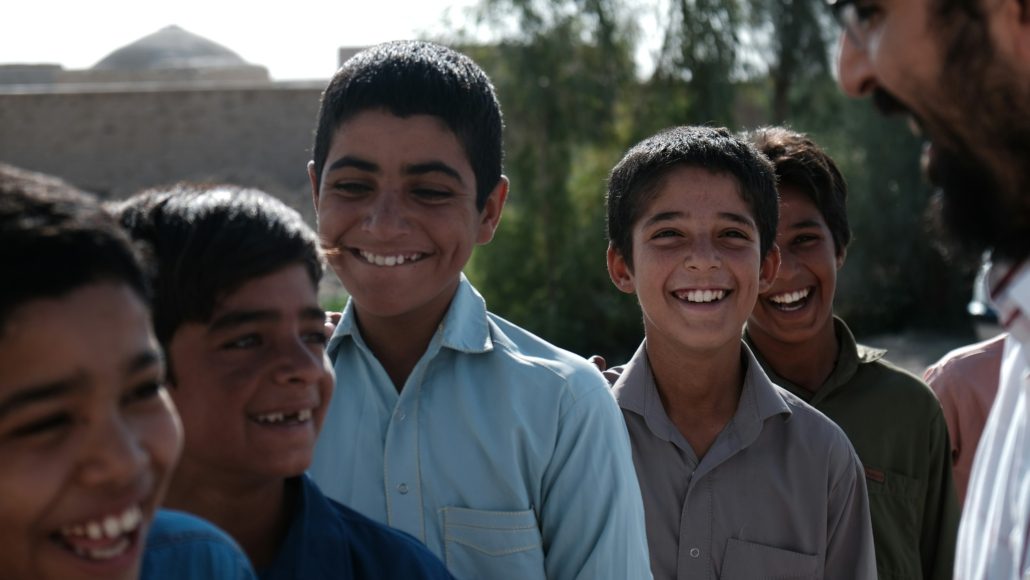 Vocational education training centers in Iran are giving young people a direct path from the classroom to the job market. These centers teach trades such as fashion design IT and construction, connecting graduates to industries that are actively hiring. The need is urgent: young people are increasingly being pushed to the margins of unemployment, with youth unemployment in Iran among young people ages 15-24 reaching 21.9%, according to the World Bank.
The Skills Gap
Iran has invested heavily in general education over recent decades, literacy among young men and women now sits at 99%. Vocation training, however, has not kept pace with the same progress. Many VETCs still rely on outdated equipment and teaching methods, weak links to industry are leaving graduates without a clear path to employment.
This mismatch hits young women and low income youth the hardest. Even though women make up nearly 60% of Iran’s university students, only about 14% participate in the labor force. Indicating steep barriers when women try to translate education into paid work. Economic strain compounds the problem: currency swings, internet distributions and regional tensions have all weakened business confidence and slowed hiring over the past year, and employers increasingly favor experienced workers over new graduates.
The stakes go beyond unemployment. According to the World Bank, the share of Iranians living below the upper-middle-income poverty line was projected to rise from 33.2% in 2024 to 35.4% in 2025, with a further increase to 38.8% expected in 2026, driven by economic contraction and high inflation. This means that a growing share of families, many with young people entering the job market, are struggling to meet basic needs. For young people without vocational skills, this makes the transition into stable paid work harder.
A New Partnership
A joint project between Iran and international partners is now working to minimize this gap. Since 2023, Iran’s Instructor Training Center (ITC) in Karaj, which has trained instructors for the country’s Technical and Vocational Training Organization (TVTO) since 1974, has partnered with UNESCO and South Korea’s international development agency, on the ‘Innovating Iran’s Instructor Training Center.’
The project, which runs through 2028, aims to modernize training centers curricula and facilities so that instructors are able to teach skills that accommodate a modern labor market rather than decades-old industry standards. The program includes training across seven different sectors including agriculture, construction, fashion design and sewing. The initiative also aims to build inclusion measures for women and underprivileged youth directly into its design. The results so far reach beyond the classroom: the project directly trains 35 master trainers, 2,500 trainees and about 250 instructors. Its updated methods reach 15,000 TVTO personnel and more than 1 million trainees across Iran’s wider vocational system each year.
Formal Employment
Vocational education training centers in Iran do more than fill classroom seats; they change how young Iranians enter the workforce. Research from the Center of Economic policy shows that after Iran faced sweeping international sanctions in 2012, workers in the most exposed industries shifted sharply toward informal employment, which typically leads to lower pay and no access to social protections. Proving that vocational training can help offset this shift, by giving workers skills that transfer directly to formal registered jobs. For a country where economic shocks keep pushing workers into the informal sectors, expanding vocational training is not just an education policy; it’s a buffer against long term economic instability.
Looking Ahead
Vocational education training centers in Iran cannot fix every barrier facing the country’s young job seekers, but they show a workable model for closing the gap between education and employment. The ITC innovation project demonstrates that modernized training paired with real support produces measurable results. As Iran’s youth unemployment crisis deepens, continued investment in Education Training Centers in Iran from both the government and international partners offers one of the clearest paths towards a more resilient economy and a more hopeful future.
– Alana Breslin
Alana is based in London, UK and focuses on Global Health and Politics for The Borgen Project.
Photo: Unsplash
