Rebuilding Lives After Bonded Labor in India
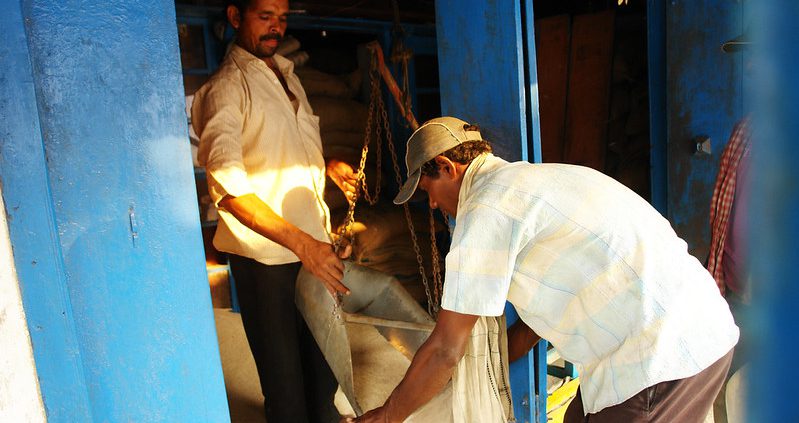 In June 2026, the BBC reported on the rescue of 12 men from bonded labor at a small factory in India. While the men were freed from their exploitative conditions, their release marked only the beginning of a longer recovery process. Many survivors require long-term support to rebuild their lives and achieve financial stability.
Although the Bonded Labour System (Abolition) Act of 1976 outlawed bonded labor in India, it remains a significant problem. Poverty and limited access to economic opportunities leave many people vulnerable to bonded labor. Currently, 23.9% of India’s population lives below the poverty line.
According to the International Justice Mission (IJM), traffickers target underserved communities with limited access to education and economic resources, manipulating them into accepting loans to meet urgent financial needs that can lead to bonded labor. Government agencies and nonprofit organizations are working to help survivors recover from exploitative labor conditions and achieve greater financial stability. Through rescue operations, rehabilitation programs and initiatives that address the root causes of exploitation, these efforts can help reduce vulnerability to future bonded labor and support a way out of poverty.
Rescue Efforts
Government agencies and nonprofit organizations help identify and rescue people trapped in bonded labor. IJM, founded in 1997, is a global nonprofit organization that works with governments to combat violence, human trafficking and modern slavery. In Tamil Nadu, a southern state in India, the organization partnered with the government to rescue five people trapped in bonded labor at a brick kiln. With the organization’s help, the laborers submitted a petition to the government, requesting their release. The government issued a Release Certificate, freeing them and canceling their debts.
According to the organization, its efforts have contributed to an 82% reduction in bonded labor in Tamil Nadu. For many survivors, release from bonded labor is only the first step toward rebuilding their lives and overcoming the financial challenges that can increase vulnerability to exploitation.
Helping Survivors Build Independent Futures
Following their rescue, survivors of bonded labor in India may receive support through India’s Central Sector Scheme for Rehabilitation of Bonded Laborers. The program provides immediate assistance of up to 30,000 rupees, followed by rehabilitation support ranging from 100,000 rupees to 300,000 rupees, depending on the survivor’s circumstances.
Since the program’s inception, 296,795 bonded laborers have been rehabilitated through the scheme. These resources help former bonded laborers address immediate financial needs and work toward long-term stability. Since poverty and debt are some of the leading factors that contribute to bonded labor, rehabilitation assistance can play an important role in reducing survivors’ vulnerability to future exploitation and supporting pathways out of poverty.
The program also provides social and psychological support alongside vocational training and employment services. Together, these services can help survivors rebuild their lives, achieve greater financial stability, and reduce their risk of returning to exploitative labor arrangements.
Reducing Vulnerability to Bonded Labor
Many released bonded laborers face financial hardship and limited employment opportunities, making rehabilitation services necessary to their long-term recovery.
The International Labor Organization proposes to reduce the factors contributing to bonded labor in India through its “Reducing Vulnerability to Bondage in India Through Promotion of Decent Work” project. These factors include a lack of local job opportunities, illiteracy and unfamiliarity with financial institutions. The organization plans to target brick kiln sectors, where migrant workers and their children are particularly vulnerable to bonded labor. The project aims to reduce this vulnerability through worker-rights education, improved access to financial services and greater employment opportunities.
Through worker-rights education, access to financial services and employment opportunities, the initiative aims to reduce workers’ vulnerability to exploitative labor arrangements and support long-term prevention efforts.
Looking Ahead
While bonded labor in India remains a persistent challenge, ongoing rescue and rehabilitation efforts are helping survivors build more stable and independent futures. Through initiatives such as the Central Sector Scheme for Rehabilitation of Bonded Laborers and other programs that promote decent work opportunities, former bonded laborers can access financial assistance, support services and resources that reduce their vulnerability to future exploitation. As governments, nonprofits and local communities continue to strengthen these efforts, more survivors may be able to achieve long-term economic security, helping break cycles of poverty and build more stable futures.
– Michelle Kurniali
Michelle is based in Dallas, TX, USA and focuses on Good News and Technology for The Borgen Project.
Photo: Flickr
