The Sahel Solution: Girls’ Education and Conflict Prevention
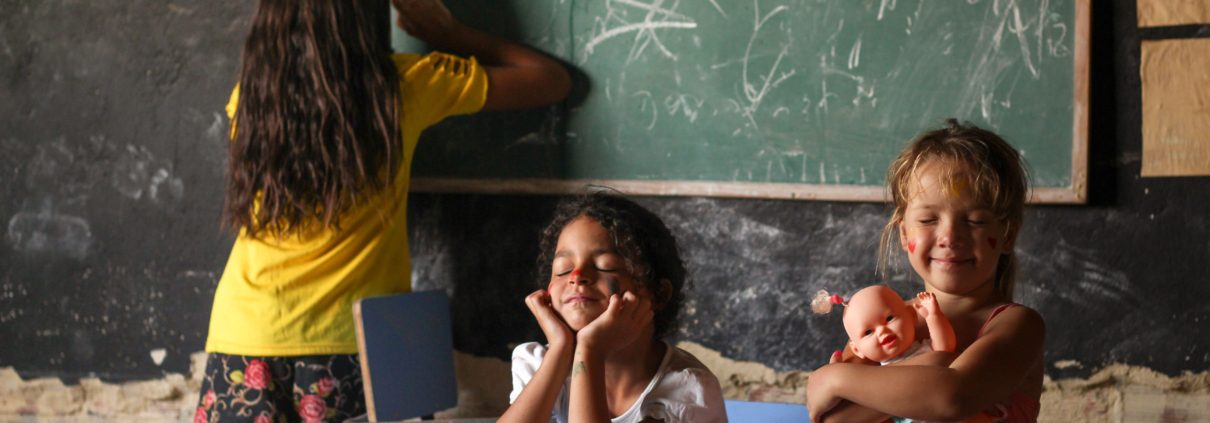 The links between girls’ education and conflict prevention are well documented. By addressing the root causes of instability, education builds resilience against radicalization and economic despair. Girls’ education and conflict prevention are key pathways to bringing peace in the Sahel by tackling socio‑economic and governance drivers of violence.
The Education-Poverty-Conflict Nexus
The Sahel is a large, semi-arid area of West Africa facing overlapping crises of armed conflict, climate change and poverty. In Burkina Faso, Mali and Niger, insurgent violence has forced millions to flee, devastated livelihoods and undermined national economies. More than 40% of people in the Central Sahel live in extreme poverty, and many families survive on less than $1.90 per day, which makes the direct and indirect costs of schooling difficult to afford, according to UNDP and World Bank data. Poverty pushes parents to keep girls at home to work, marry early or migrate for survival income rather than continue their education. In Burkina Faso alone, schools are frequently targeted by armed groups; thousands have closed due to chronic insecurity, and more than 1 million children have seen their education disrupted. In this context, girls’ education becomes a crucial strategy for building social cohesion and resilience.
Girls’ education, poverty reduction and stability are deeply connected. According to a 2018 World Bank study, barriers to girls’ education result in a global loss of $15 trillion to $30 trillion in productivity. Educated girls are more likely to delay marriage, earn higher incomes and invest in their children’s health and education. For example, in many low-income countries, women with secondary education earn nearly twice as much as those with no schooling, and their children are significantly less likely to be malnourished, according to World Bank data. These pathways show how expanding access to education helps counter poverty, demographic pressure and social exclusion, three drivers closely tied to instability in the region.
When girls miss out on education, the cost is exceptionally high in fragile regions. Girls out of school face greater risks of child marriage, exploitation by armed groups and entrapment in cycles of poverty that fuel future conflict. This illustrates why scaling up girls’ education across the region is essential for reducing recruitment into armed groups and weakening violent extremist narratives.
The Sahel’s Challenges
The Sahel’s triple burden of conflict, severe climate shocks, such as droughts that destroy crop yields, and poverty threatens girls’ ability to attend school. Before the COVID-19 pandemic, about 54% of girls in Niger were out of school, and child marriage rates ranked among the highest in the world. In Burkina Faso, more than 6,000 schools have closed recently, affecting 1 million children and leaving many girls without safe learning spaces. These compounding pressures show how fragile the conditions are for sustaining girls’ access to education, especially for the poorest households that struggle to cover school fees, supplies and transportation.
In Niger, disruptions are acute in regions like Tillabéry and Diffa, where insecurity and displacement prevent basic education access. Across the Central Sahel, nearly 7.5 million children are in urgent need of assistance, primarily displaced women and children. This level of need means that education services must also provide food, psychosocial support and protection to ensure that girls from extremely poor families can attend and stay in school.
Evidence-Based Interventions
Initiatives like cash incentives, safe transport and school feeding programs deliver measurable results. The World Bank reports that targeted cash transfers and education grants boost attendance and completion while drastically reducing early marriage and pregnancy among girls. In practice, these programs ease the financial burden on low-income families, making it possible for girls to remain in class instead of marrying early or working to supplement household income.
Other effective measures include providing uniforms, creating safe, girl-friendly schools and supporting girls’ clubs that offer life skills and mentoring. These tools keep girls in school and reduce pressures pushing families toward harmful coping strategies like forced marriage. They also show practical ways to operationalize these strategies through concrete, scalable policy instruments that directly benefit communities living in poverty.
Multilateral Efforts and U.S. Support
Education Cannot Wait (ECW), the United Nations global fund for education in emergencies, focuses on the Sahel, aiming to maintain education in conflict zones. In Burkina Faso, ECW provided $11.1 million in seed funding to mobilize an additional $48 million, reaching more than 800,000 children, 60% of whom are girls. These investments help restore learning for children in areas where conflict and poverty have closed schools and cut off opportunities.
In Niger, ECW investments increase enrollment for children impacted by conflict and climate shocks by covering fees and expanding secure classrooms. United States foreign assistance, including USAID, complements these efforts by promoting girls’ education as a pillar of regional stability and poverty reduction, supporting teacher training, community-based schools and scholarships that target low-income and displaced girls.
Looking Ahead
Girls’ education in the Sahel is not merely a moral duty but a strategic investment in conflict prevention and poverty reduction. Schools that keep girls learning, protect them from violence and equip them with skills break cycles of poverty and conflict. When girls attend school, communities benefit: earnings rise, maternal and child health improves and foundations of peaceful, more prosperous societies are built. Investing in girls’ education across the Sahel therefore represents a powerful pathway for donors and policymakers to support both human development and lasting stability in one of the world’s most fragile regions.
– Charles Bakar
Charles is based in Montréal, Canada and focuses on Politics for The Borgen Project.
Photo: Pexels
