The Gender Wage Gap in the Marshall Islands
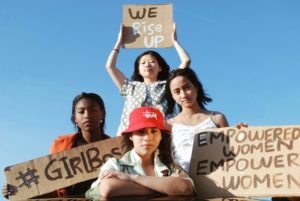 Located between the Philippines and Hawaii, the Marshall Islands have a matrilineal tradition where women have historically inherited land and held important social status. Yet, women continue to face the gender wage gap in the Marshall Islands.
About the Gender Wage Gap in the Marshall Islands
The gender wage gap is most evident when looking at the facts. Women working in similar occupations earn about 14% less per year than men. This is due to various factors: limited workplace protections, limited education and high unemployment rates among women. Many of these disparities are rooted in traditional social structures.
The Constitution of the Republic of the Marshall Islands helps protect traditions and customs, granting protection to laws that contribute to discrimination against women. While women still inherit the land, discrimination against women is still present in various ways.
Traditional customs do not grant women chiefly positions; consequently, only 12 women serve on the Council of Iroji. Although it is not prohibited, the council has just started to promote it.
Additionally, women have the highest unemployment rate compared to men; in part, this is due to the low labor force that women comprise, but it’s also due to the lack of opportunities. When employers hire women for paid employment, they often receive fewer hours than men.
How the Marshall Islands Is Addressing the Gender Wage Gap
The government has recently begun implementing solutions to bridge the gender wage gap. While these initial efforts represent an important step forward, further policies and reforms are needed to achieve meaningful progress. The following section outlines three key solutions that could help reduce the gender wage gap in the Marshall Islands.
1. Strengthening the Gender Equality Act
Since 2019, the Gender Equality Act in place in the Marshall Islands, making this part of national law. However, due to traditions, what the act represents tends to clash with cultural values.
The Marshall Islands government has begun taking steps to strengthen nationwide implementation of the Gender Equality Act. Expanding enforcement mechanisms and ensuring employers comply with the legislation could further reduce gender discrimination in employment by requiring equal treatment between men and women and equal pay.
2. Ratify the ILO Equal Remuneration Convention No.100
The ILO Equal Remuneration Convention is an international treaty adopted by the International Labor Organization (ILO). It is an agreement in which countries commit to meeting international standards on equal pay for work of equal value.
Although the Marshall Islands has not yet ratified the ILO Equal Remuneration Convention No. 100, doing so would build on its existing commitment to gender equality by bridging domestic and international law through the alignment of domestic legislation with international labor standards.
Ratifying the ILO Equal Remuneration Convention would strengthen the Marshall Islands’ commitment to internationally recognized standards of equal pay and encourage further reforms to continue to reduce the gender wage gap in the Marshall Islands.
3. Strengthening Workplace Protection
The Marshall Islands has already begun addressing gender inequality through legal reforms. In 2022, the World Bank’s Women, Business and the Law report identified development opportunities, stating that “When it comes to laws affecting women’s decisions to work, laws affecting women’s work after having children, gender differences in property and inheritance, and laws affecting the size of a woman’s pension, the Marshall Islands could consider reforms to improve legal equality for women.”
The World Bank recommends workplace protections such as maternity protection, paid parental leave, protection from discrimination and harassment and improvement in working conditions.
These policies help women not only remain in the workforce but also progress into higher-paying roles, which would increase the number of women in high-paying positions by reducing career interruptions that contribute to the gender wage gap in the Marshall Islands.
Looking Ahead
While the gender wage gap remains a persistent challenge in the Marshall Islands, a combination of policies and targeted initiatives could help reduce inequality. The country’s recent efforts to strengthen gender equality represent promising first steps toward more equitable economic opportunities for women.
– Clara Iglesias Romero
Clara is based in Galicia, Spain, and focuses on Good News and Politics for The Borgen Project.
Photo: Unsplash
